What is cradle cap (seborrheic dermatitis) in babies? is one of the most common questions parents—especially first-time parents—ask in dermatology clinics. Cradle cap is a widespread skin condition seen in infancy that is usually harmless but can cause concern due to its appearance. In this article, I will discuss the causes, symptoms, distinguishing features, and appropriate care approaches with the precision and care of a dermatologist.
What Is Cradle Cap (Seborrheic Dermatitis) in Babies?
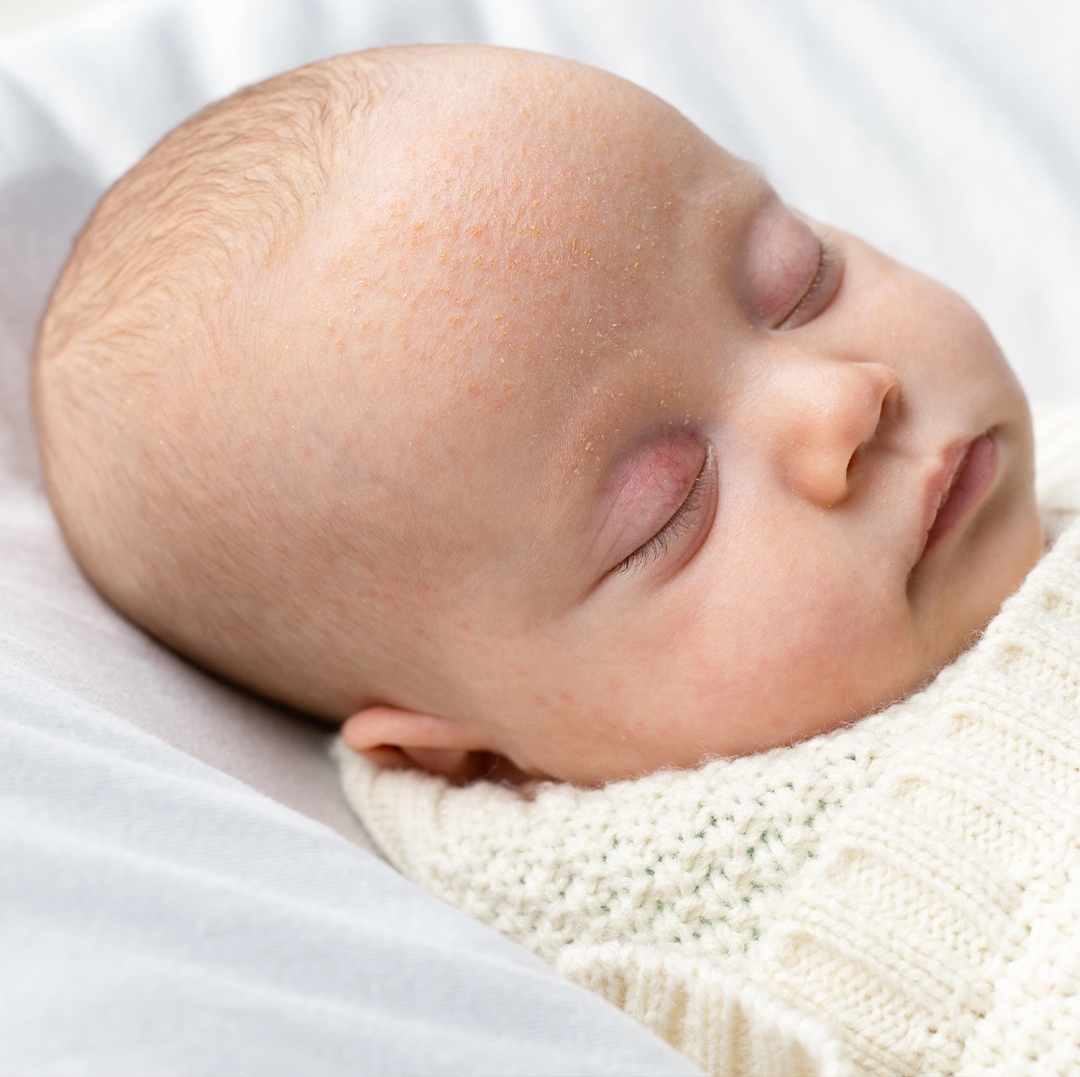
Cradle cap, medically known as infantile seborrheic dermatitis, typically appears between the first weeks of life and the first six months. It is characterized by yellowish-white crusts on the scalp. While it most commonly affects the scalp, it may also appear on the eyebrows, behind the ears, the forehead, neck folds, and more rarely, the diaper area.
This condition is not an infection, is not contagious, and does not cause permanent problems in most babies. It usually tends to resolve on its own over time.
Why Does Cradle Cap Occur?
Parents frequently ask, “What causes cradle cap?” There is no single definitive answer, but several dermatological factors are known to play a role:
Effect of maternal hormones: After birth, maternal hormones circulating in the baby’s system may cause the sebaceous glands to work more actively than normal.
Overactivity of sebaceous glands: Increased sebum production can accumulate on the skin surface, creating a suitable environment for crust formation.
Malassezia yeasts: These microorganisms naturally live on the skin and may proliferate in oily environments, triggering inflammation.
Immature skin barrier: Infant skin is more sensitive and permeable compared to adult skin.
It is important to emphasize that cradle cap is not a sign of poor hygiene. On the contrary, excessive washing or the use of inappropriate products may worsen the condition.
What Are the Symptoms of Cradle Cap?
Cradle cap in babies typically presents with the following features:
- Adherent, greasy yellow-white scales on the scalp
- Mild redness of the underlying skin
- Flaking resembling dandruff
- Usually no itching, which helps distinguish it from atopic dermatitis
If there is marked redness, oozing, an unpleasant odor, or itching that makes the baby uncomfortable, the condition may differ from classic cradle cap and should be evaluated by a dermatologist.
What Is the Difference Between Cradle Cap and Eczema?
One of the most common points of confusion for parents is distinguishing cradle cap from infantile eczema. The key differences are:
Cradle cap: Greasy, yellowish scales; usually not itchy; the baby is generally calm.
Atopic dermatitis (eczema): Dry, red, itchy lesions; the baby is often restless and shows signs of scratching.
This distinction is crucial for proper management, as using the wrong products may aggravate both conditions.
How Does Cradle Cap Go Away?
In most cases, cradle cap resolves without the need for medical treatment. However, appropriate care can help speed up the process.
Home care recommendations:
- Before bathing, a few drops of baby oil or mineral oil can be applied to the scalp to soften the crusts.
- After waiting about 15–20 minutes, the area can be gently brushed with a soft baby brush.
- Washing with a fragrance-free, pH-balanced baby shampoo is appropriate.
- The crusts should never be forcibly removed, as this may cause irritation or infection.
In more severe, widespread, or persistent cases, short-term use of medicated shampoos or topical treatments under dermatological supervision may be considered.
Does Cradle Cap Recur?
Yes, cradle cap may recur periodically in some babies. It can follow a fluctuating course, particularly during the first year of life. This is generally not a cause for concern, and in most infants, it completely resolves by 9–12 months of age.
When Should a Dermatologist Be Consulted?
A dermatology consultation is recommended if:
- The lesions spread beyond the scalp
- There is significant redness or discharge
- The baby shows signs of itching or discomfort
- There is no improvement despite appropriate home care
Early and accurate assessment helps prevent unnecessary or inappropriate product use.
Frequently Asked Questions
Is cradle cap contagious in babies?
No. Cradle cap is not an infection and cannot be transmitted to other babies.
Does cradle cap cause pain or discomfort?
Generally no. In most cases, it does not cause itching or pain.
Is it correct to bathe a baby every day to treat cradle cap?
No. Excessive bathing can damage the skin barrier and worsen the condition.
Does cradle cap go away on its own?
Yes. In most cases, it resolves within the first year without medical treatment.
Is it necessary to remove all the crusts?
No. The goal is to soothe the skin; forcibly removing crusts is not recommended.
Does cradle cap indicate that a baby will develop eczema later?
No. There is no direct cause-and-effect relationship between cradle cap and atopic dermatitis.

Editör
View All Articles