
Does Drinking Plenty of Water Really Make Your Skin Glow?
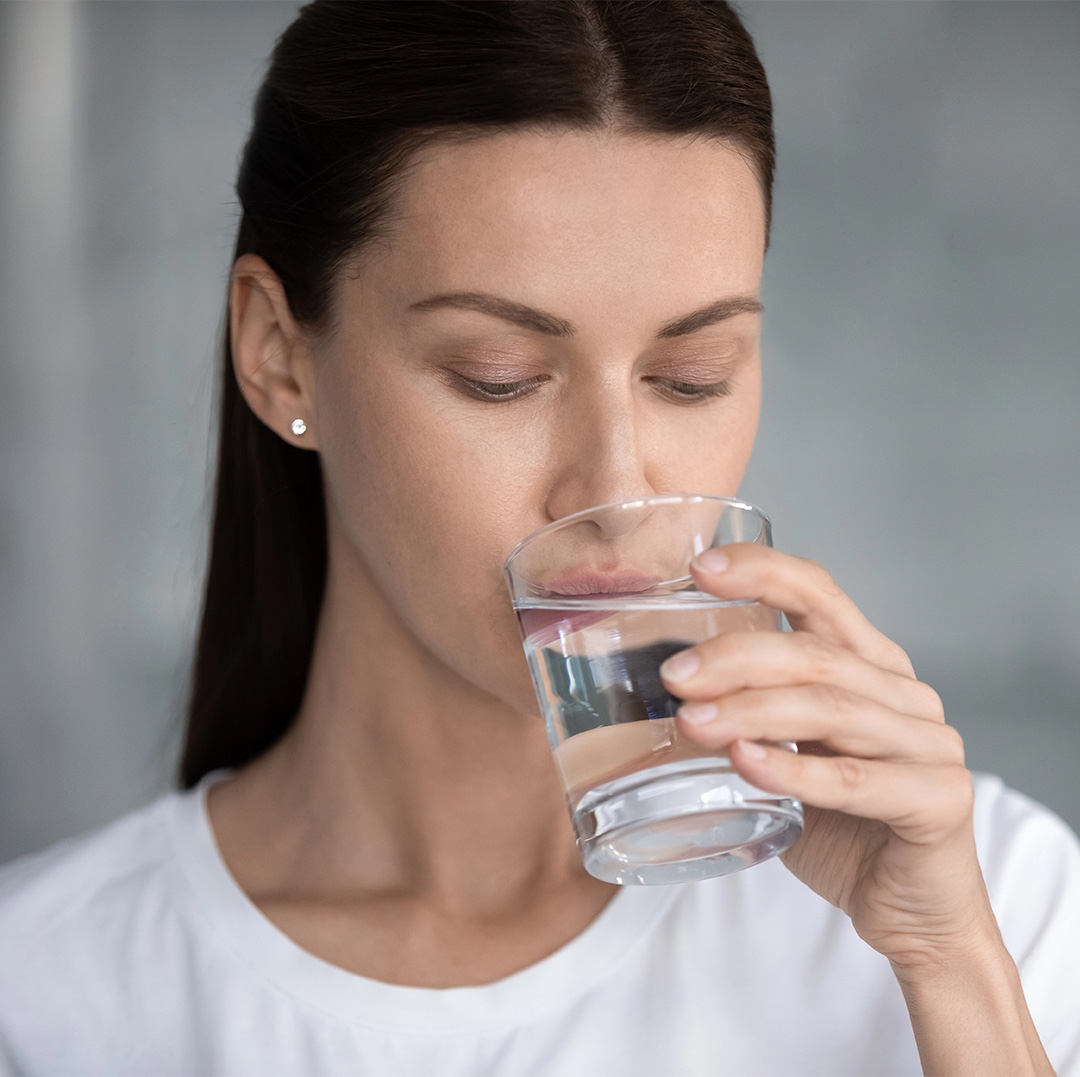
“Does drinking plenty of water really make your skin glow?” is one of the most common questions dermatologists hear from patients and beauty enthusiasts alike. Everyone has heard the advice to “drink at least eight glasses of water a day,” but does staying hydrated actually make your skin smoother, brighter, and healthier?
The short answer is yes—but only to a certain extent. Water is essential for skin health, but it’s not a magic beauty secret on its own.
What Actually Determines Skin Hydration?
Healthy, glowing skin depends on much more than how much water you drink. True hydration relies on the skin barrier’s integrity and the body’s overall water balance.
The outermost layer of the skin, the stratum corneum, functions like a natural seal, preventing water from evaporating. When that barrier is strong, the skin looks soft and supple.
When it’s damaged, you’ll see dullness, flakiness, and tightness—signs of transepidermal water loss (TEWL) and possible dehydration.
So, while drinking water supports skin health internally, it’s not enough by itself. The real formula for glowing skin is:
hydration from within + barrier repair + topical moisture retention.
How Drinking Water Benefits the Skin
1. Maintains Cellular Hydration
Water helps skin cells maintain their internal balance of ions and nutrients. When your cells are well-hydrated, they stay plump and healthy—resulting in a fuller, smoother, and more radiant appearance.
2. Improves Circulation
Proper hydration promotes healthy blood flow, which enhances oxygen and nutrient delivery to the skin. Improved circulation can help reduce dullness and under-eye darkness caused by fatigue or dehydration.
3. Aids in Toxin Removal
Water supports kidney and liver function, helping flush out metabolic waste. As the body detoxifies efficiently, the skin appears clearer and more even-toned.
4. Balances Oil Production
When the skin becomes dehydrated, the body compensates by producing more sebum (oil). This can clog pores and trigger breakouts. Adequate water intake helps regulate the skin’s natural oil balance.
Why Water Alone Isn’t Enough
Scientific studies show that drinking more water can improve skin hydration, but the effect is modest and temporary.
The skin’s moisture retention depends primarily on its lipid barrier and natural moisturizing factors (NMFs)—not just internal water intake.
If these structures are damaged, no amount of water will fix the dryness.
That’s why dermatologists emphasize pairing hydration with:
Topical moisturizers (containing hyaluronic acid, ceramides, or glycerin)
Consistent water intake throughout the day
Balanced nutrition with vitamins and minerals like zinc, vitamin C, and vitamin E
Signs of Dehydration on the Skin
When the body lacks water, it shows—especially on your face.
Common signs include:
- Tight, rough, or dull skin texture
- Chapped lips
- Puffy eyes and dark circles
- More visible fine lines and wrinkles
- Flakiness or itching
These symptoms reflect not only dry skin but also overall dehydration. Caffeine, alcohol, and high-sodium diets can worsen this by increasing water loss.
How Much Water Does Your Skin Really Need?
There’s no one-size-fits-all rule, but dermatologists recommend roughly 1.5 to 2 liters (6–8 glasses) per day for an average adult.
Adjust for body weight, activity level, and climate—those who exercise or live in hot environments need more.
For Dry Skin:
Drink at least 2–2.5 liters daily and use hydrating creams to reinforce the barrier.
For Oily Skin:
Stay consistently hydrated to reduce excess oil production and shine.
For Combination Skin:
1.5–2 liters of water per day is typically sufficient, combined with light moisturizers that lock in moisture.
A Holistic Approach to Glowing Skin
True skin beauty comes from balance—not just water, but sleep, diet, stress management, and proper skincare.
To maximize hydration benefits, combine:
- A diet rich in antioxidants (fruits, vegetables, omega-3 fats)
- 7–8 hours of quality sleep
- Regular physical activity
- Limited alcohol and caffeine intake
Together, these habits enhance blood circulation and help your skin retain moisture more effectively.
Frequently Asked Questions
1. Does drinking water moisturize the skin?
It helps maintain cellular hydration but must be paired with moisturizers that strengthen the outer barrier.
2. How much water should I drink for healthy skin?
Around 1.5–2 liters (6–8 glasses) daily is ideal, depending on your weight, activity level, and environment.
3. Can drinking water help with acne?
Indirectly, yes. Proper hydration balances oil production and prevents clogged pores, reducing acne flare-ups.
4. What happens if I don’t drink enough water?
Your skin may appear dull, tight, flaky, and more prone to wrinkles and irritation.
5. Does drinking water whiten or brighten the skin?
No, water doesn’t lighten skin tone. However, it can improve overall radiance and clarity by maintaining healthy hydration levels.

Editör
View All Articles