
Why do skin spots occur? This is one of the most common concerns heard in dermatology clinics. Uneven skin tone, dark patches, post-sun pigmentation, or hormonally triggered melasma are issues that affect one’s appearance, confidence, and daily skincare routine. The formation of skin spots is not caused by a single factor; it stems from a complex interplay of genetics, environmental exposure, hormonal fluctuations, and skin barrier health.
In this article, I explain in detail why skin spots develop, the dermatological mechanisms behind pigmentation, common triggers, barrier-related factors, and essential preventive strategies for skin prone to discoloration.
The Core Mechanism of Skin Spots: Increased Melanin Production
Most skin spots appear due to excess melanin production in specific areas. This is known as hyperpigmentation. Melanin is produced by melanocytes, and aside from determining skin color, it protects the skin from harmful UV radiation.
When certain triggers activate melanocytes, they begin producing more pigment than usual. As melanin accumulates in specific regions, visible dark spots and tone irregularities emerge.
So, Under What Conditions Do Skin Spots Become More Prominent?
1. The Most Common Cause: Sun Exposure
The sun is the strongest trigger for hyperpigmentation.
UV radiation stimulates melanocytes
The skin produces more pigment to protect itself
Over time, this process leads to well-defined sunspots and uneven tone
A frequently asked question is:
“Does skipping sunscreen cause dark spots?”
Dermatologically speaking, inadequate sun protection increases melanin production, which in turn raises the likelihood of pigmentation.
2. Hormonal Changes
Pregnancy, birth control pills, menstrual cycle fluctuations, and some hormonal therapies can trigger pigmentation increases. This leads to a condition known as melasma.
Melasma often appears symmetrically on:
- Forehead
- Cheeks
- Upper lip
- Chin
3. Genetic Predisposition
Some individuals are naturally more prone to hyperpigmentation. If close family members have melasma, freckles, sunspots, or pigment disorders, the likelihood of developing similar issues increases.
4. Past Skin Inflammation or Injury
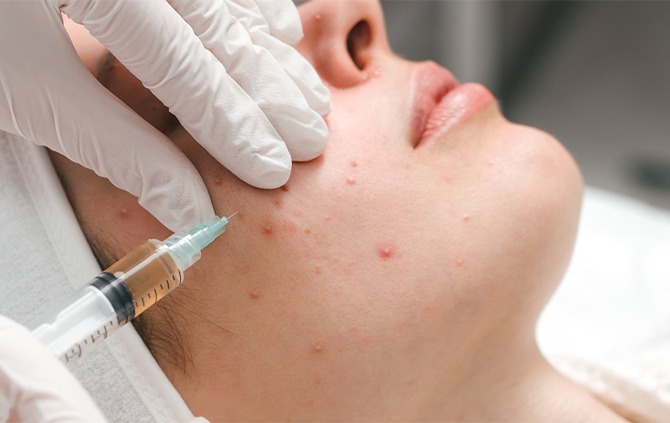
Many people ask: “My acne is gone, but the spot remained — why?”
This condition is called post-inflammatory hyperpigmentation (PIH). It may develop after:
- Acne
- Eczema
- Allergic reactions
- Burns
- Shaving irritation
- Chemical exfoliation or peeling
Skin that becomes inflamed or irritated often produces more pigment during the healing process.
5. Aging and Cumulative UV Exposure
With time, sun damage accumulates. This leads to age-related spots known as lentigines, which are common in later adulthood.
6. Medications and Medical Conditions
Some medications increase photosensitivity and can make the skin prone to discoloration, including:
- Tetracycline antibiotics
- Certain NSAIDs
- Retinoids
- Chemotherapy drugs
Additionally, thyroid dysfunction and other hormonal imbalances may contribute to pigmentation disorders.
Why Does Skin Darken When Melanin Increases?
Melanocytes produce melanin and transfer it to keratinocytes. As this pigment becomes more concentrated:
- Skin tone appears uneven
- Certain areas become darker
- Visible discoloration becomes more prominent
This is actually a natural defense mechanism of the skin; however, uncontrolled melanin production may be cosmetically bothersome.
The Role of the Skin Barrier in Hyperpigmentation
A healthy skin barrier reduces the impact of external triggers. When the barrier is weakened, the following can occur:
- Increased susceptibility to UV damage
- Higher inflammatory responses
- More pronounced redness and irritation
- Greater tendency for PIH
Strengthening the skin barrier — especially for pigmentation-prone skin — is essential. Ingredients like ceramides, cholesterol, and fatty acids support barrier integrity and can help reduce irritation-related spotting.
A Dermatologist’s Perspective on “Why Do Spots Come Back?”
This is a highly searched question, and the answer is clinically important:
Pigmentation tendency never fully disappears; it can only be managed.
Melanin production may be re-activated by sunlight, hormones, heat exposure, and certain skin sensitivities.
Therefore, long-term management is key.
Consistent:
- Sun protection
- Barrier maintenance
- Avoiding irritating procedures
- Using appropriate moisturizers
helps reduce the recurrence risk.
Daily Habits That Increase Pigmentation Risk
Irregular Sunscreen Use
Applying sunscreen only in the morning is not enough, especially in summer. Reapplication is essential.
Misuse of Exfoliants and Acid-Based Products
Over-exfoliation triggers inflammation, which can worsen PIH.
Squeezing Pimples
This habit significantly increases the chance of post-inflammatory pigmentation and scarring.
Rubbing or Scrubbing the Skin
Harsh friction creates micro-injuries that stimulate melanocyte activity.
Why Is the Question “Why Don’t My Spots Fade?” So Common?
There are two main reasons:
Melanin May Be Deep in the Dermis
When pigment settles deeper in the skin, it takes longer to fade.
Hyperpigmentation Is Multifactorial
Even if one trigger is removed, other factors could continue to influence pigment production.
Therefore, dermatological assessment focuses on identifying all contributing elements and tailoring a care plan accordingly.
Frequently Asked Questions
Why do skin spots occur?
They result from increased melanin production in specific areas, commonly triggered by sun exposure, hormonal changes, inflammation, and genetic predisposition.
Are sunspots permanent?
Sunspots can often be improved with proper care and sun protection, but they may return if triggers persist.
What causes melasma?
It arises from a combination of hormonal influences, UV exposure, and genetic factors. It commonly appears on the forehead, cheeks, and upper lip.
Why do acne marks turn into dark spots?
Inflammation stimulates melanocytes to produce more pigment, causing post-inflammatory hyperpigmentation.
How can I reduce the risk of pigmentation?
Regular sun protection, barrier-friendly skincare, and avoiding irritating habits are crucial.

Editör
View All Articles