

Azelaic acid is one of the most versatile skincare ingredients, known for its compatibility with many skin types and its ability to influence multiple biological processes on the skin’s surface. Naturally found in grains such as wheat, rye, and barley—and also produced synthetically—this dicarboxylic acid has been widely studied in dermatology. Its popularity among individuals dealing with sensitivity, redness, uneven tone, or excess sebum stems from its multifaceted mechanism of action.
In this article, We explain what azelaic acid is, how it interacts with the skin, and which skin concerns it is commonly associated with—strictly for informational purposes.
What Is Azelaic Acid?
Azelaic acid is a naturally occurring dicarboxylic acid found in certain grains and produced in laboratory settings for skincare use. Its molecular structure enables it to contribute to balancing and renewing processes on the skin.
Key characteristics include:
Helping support balance in sebum-related mechanisms
Being linked to processes affecting visible redness
Influencing pathways involved in uneven skin tone
Interacting with structures related to pore and sebum regulation
These features make azelaic acid a versatile ingredient suitable for a wide range of skin types.
How Does Azelaic Acid Work on the Skin?
Azelaic acid affects several biological processes and is not limited to a single function.
1. Balancing Mechanisms
Azelaic acid may help balance microorganisms associated with excess sebum activity. This makes it popular among individuals with oily or blemish-prone areas.
2. Relation to Cell Renewal
It can contribute to biological pathways involved in surface-level renewal, which may help the skin appear smoother and more refined.
3. Impact on Redness
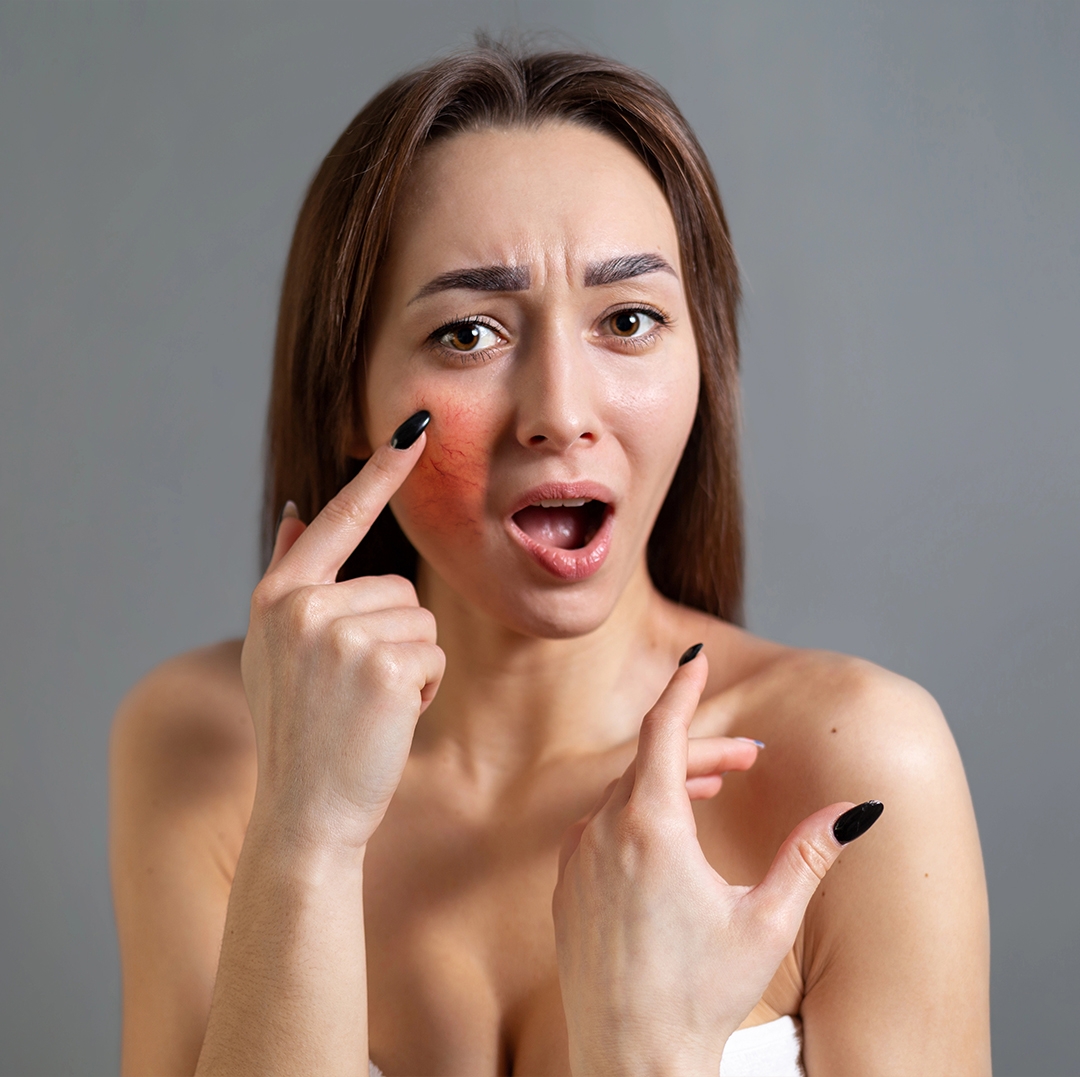
Azelaic acid is linked to mechanisms associated with redness-prone skin, making it a frequently discussed ingredient for those dealing with visible sensitivity.
4. Connection to Skin Tone Irregularities
Azelaic acid interacts with melanin-related pathways, which is why it is often preferred by individuals experiencing uneven pigmentation.
Which Skin Concerns Is Azelaic Acid Commonly Associated With?
Azelaic acid is used for various skin concerns, although its effects vary by individual.
Uneven Tone and Dullness
Due to its connection with melanin-regulating pathways, azelaic acid is commonly selected by those experiencing tone irregularities or dullness.
Redness-Prone Skin
Individuals with heightened sensitivity or visible redness often turn to azelaic acid because of its role in balancing redness-related mechanisms.
Excess Sebum and Noticeable Pores
Its influence on sebum regulation makes it a valuable option for those struggling with oiliness and visible pores.
Rough Skin Texture
Because it supports renewal-related pathways, it may help refine the appearance of surface irregularities.
Which Skin Types Can Use Azelaic Acid?
Azelaic acid can be suitable for a broad range of skin types, including:
- Sensitive skin
- Redness-prone skin
- Oily and combination skin
- Pigmentation-prone skin
- Texture-irregular skin
However, as with all actives, individual tolerance and skin biology vary.
What Should Be Considered When Using Azelaic Acid? (General Information Only)
The following principles are not treatment recommendations but general dermatological insights:
It should be combined cautiously with other strong actives.
The condition of the skin barrier affects how the ingredient is tolerated.
Lower concentrations may be better suited to sensitive skin.
Visible improvements typically occur gradually.
Professional evaluation is always the most reliable approach.
What exactly is azelaic acid?
A naturally occurring dicarboxylic acid associated with balancing and renewal-related mechanisms on the skin.
Does azelaic acid help with redness?
It is often used by redness-prone individuals because it is linked to mechanisms involved in visible redness.
Is it helpful for uneven skin tone?
Azelaic acid interacts with melanin-related pathways, making it useful for those experiencing tone irregularities.
Is azelaic acid suitable for sensitive skin?
Its gentle nature makes it generally well tolerated by sensitive skin.
How long does it take to see results with azelaic acid?
Skin biology changes gradually, so improvements are typically seen over time.

Editör
View All Articles