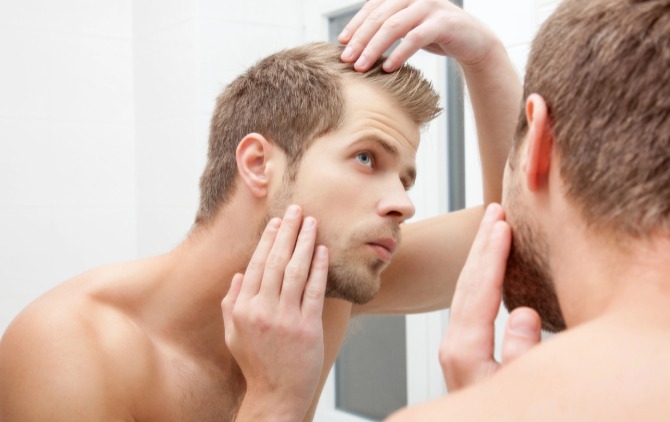
With seasonal changes, many people begin to see a significant decrease in their hair when they look in the mirror, and more hair strands appear on the comb or in the shower. This can be worrying. So, is this really seasonal shedding, or is there a more serious underlying cause?
Contrary to popular belief, seasonal hair loss is not an urban legend, but a scientifically explained and widely observed condition. In this article, we cover the causes of seasonal hair loss, how to distinguish it, and when to consult a specialist.
Contents
What is Seasonal Hair Loss?
Seasonal hair loss is a temporary increase in hair growth, especially in spring and autumn, due to the natural cycle of hair. Each strand of hair has a specific life cycle, and during this cycle, hair falls out and is replaced by new ones. However, this loss can increase significantly during certain periods of the year.
This is usually a temporary, self-correcting process that is balanced by new hair growth. However, if the intensity or duration of the shedding is prolonged, it is important to evaluate whether there is another underlying cause.
In Which Seasons Is It More Common?
Research shows that hair loss increases the most in the spring and fall months. Especially in the transition from summer to fall, hair loss complaints become more apparent. Less exposure to sunlight, changes in humidity in the air and temperature differences can affect the hair growth cycle.
Similarly, hair that emerges from the effects of winter in the spring may become prone to shedding due to hormonal and environmental changes. The majority of hair that falls out during these periods are hair strands in the telogen phase, or resting phase.
What are the reasons?
Seasonal hair loss may have several different biological and environmental causes.
Exposure to sunlight regulates the production of melatonin and prolactin hormones that affect hair follicles. Decreased sunlight exposure can lead to fluctuations in the hair cycle due to changes in these hormones.
Stress levels can also cause an increase in hair loss, especially during times when the pace of life increases, such as the end of the year and the start of school.
Vitamin and mineral imbalances, especially the depletion of substances such as vitamin D, iron, and zinc due to seasonal changes, affect hair health. This situation may become more evident during seasonal transitions when the diet is disrupted and physical activity decreases.
Weather conditions can also affect the scalp and trigger hair loss. Cold and dry weather can cause dryness and irritation on the scalp. This weakens the hair follicles.
Difference Between Seasonal Shedding and Pathological Shedding
Not all hair loss is seasonal. Seasonal shedding is usually widespread, not sudden, and temporary. The overall volume of the hair is maintained, no lightening occurs, and the hair strands do not thin out.
On the other hand, in pathological hair loss, hair density decreases significantly. Hair strands become thinner, thinning becomes noticeable, and even baldness may occur in some areas. In this case, other underlying causes such as iron deficiency, thyroid disorders, hormonal imbalances or genetic predisposition should be investigated.
If there are additional symptoms such as itching, flaking, redness, and burning sensation along with hair loss, this may be a sign of skin diseases.
How Long Does It Last? When Should You Worry?
Seasonal hair loss usually lasts between 4 and 8 weeks. At the end of this process, new hair begins to grow in place of the lost hair and the hair density recovers.
If the shedding lasts longer than 3 months, increases gradually, or your hair strands look weaker and lifeless, you should definitely consult a dermatologist because in this case, the shedding may be a sign of another systemic or local problem rather than a seasonal one.
How to Support Your Hair Against Seasonal Hair Loss?
Although seasonal hair loss is a natural process, supporting the hair helps to overcome this process more easily.
A balanced and protein-rich diet provides the building blocks that hair follicles need. Consuming eggs, red meat, green leafy vegetables, legumes and oilseeds in particular is beneficial for hair health.
Have your vitamin D and iron levels checked. When these two values are deficient, hair loss can increase significantly. Vitamin D supplementation is especially important for those who work indoors and those who cannot see the sun during the winter months.
When choosing hair care products, you should pay attention to their ingredients. Instead of products containing sulfate, alcohol and heavy chemicals, products that moisturize and support the scalp should be preferred.
Stimulating the scalp through massage increases blood circulation and allows more oxygen to reach the hair follicles, which can reduce shedding.
Staying away from stress is very valuable for both general health and hair health. Life habits such as meditation, yoga, and regular sleep will be supportive in this process.
Editör
View All Articles