
What is the skin’s lipid layer, and what protective role does it play? When discussing daily skin health, we often refer to terms such as “barrier,” “moisture balance,” and “protective layer.” At the foundation of all these concepts is a single structure: the lipid layer. Also called the “hydrolipid film” or “skin barrier lipids,” this layer is one of the most essential components for maintaining healthy skin.
In this article, I explain what the lipid layer is, which molecules it consists of, how it protects the skin, what happens when it is damaged, and how it behaves across different skin types—using a scientific, dermatologist-level approach.
What Is the Lipid Layer?
The lipid layer is a thin, invisible mixture of water and oil located on the outermost part of the epidermis (the stratum corneum). It plays a critical role as a protective barrier.
It is composed mainly of three key molecules:
- Ceramides
- Cholesterol
- Free fatty acids
These create what is commonly known as the “brick-and-mortar” structure of the stratum corneum:
The corneocytes (dead keratinocyte cells) act as the “bricks.”
The lipids surrounding them function as the “mortar.”
This structural organization makes the skin a natural shield against the external environment.
Why Is the Lipid Layer Important?
The lipid layer does far more than keep the skin moisturized. It protects against chemical, physical, and microbiological threats.
It Prevents Water Loss (Moisture Barrier)
The primary role of the lipid layer is to prevent water from evaporating from the skin. This helps maintain:
- Smoothness
- Softness
- Moisture balance
- Reduced tightness and dryness
This mechanism regulates TEWL (transepidermal water loss).
When the lipid layer weakens, water loss increases and the skin dries quickly.
It Acts as a Physical Shield
The lipid layer forms a barrier against external stressors such as:
- Wind
- Cold weather
- Dry air
- UV exposure
- Airborne particles
- Irritants
- Chemical agents
It prevents these factors from penetrating deeper layers of the skin.
It Protects Against Microorganisms
The lipid layer helps maintain the balance of the skin’s microbiome—the community of beneficial bacteria that protects the skin.
This prevents:
- Harmful microorganisms from settling
- Infection risks from increasing
- A strong lipid layer keeps the skin’s natural flora stable.
It Helps Maintain Skin pH
The lipid layer has a mildly acidic pH (around 4.5–5.5).
This acidic environment:
- Limits the growth of harmful bacteria
- Ensures enzyme activity remains balanced
- Enhances the durability of the skin barrier
- When pH balance is disrupted, irritation and sensitivity may occur.
It Contributes to Elasticity and Plumpness
Lipids fill the spaces between cells, helping the skin feel:
- More compact
- More elastic
- More supple
A strong lipid layer contributes to a healthier, firmer appearance.
What Happens When the Lipid Layer Is Damaged?
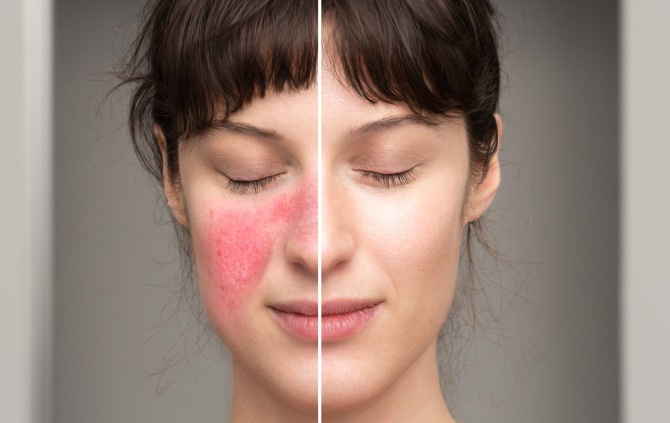
Damage to the lipid layer leads to what dermatologists call “barrier impairment.”
This can cause several symptoms:
- Dryness
- Flaking
- Tightness
- Burning sensation
- Itching
- Redness
- Difficulty applying makeup
- Fine cracks on the skin
These signs indicate that the skin has become more vulnerable to external stress.
What Weakens the Lipid Layer?
Several lifestyle and environmental factors can disrupt the lipid layer:
- Cold and Dry Weather
Low humidity increases water loss.
- Washing with Hot Water
Hot water dissolves lipids, thinning the protective layer.
- Harsh Cleansers and Soaps
Products with strong surfactants or alcohol disrupt barrier lipids.
Excessive Peeling or Exfoliation
Over-exfoliation strips away surface lipids.
- UV Exposure
- Sunlight can negatively affect lipid synthesis.
- Stress and Lack of Sleep
- Hormonal imbalance weakens the barrier.
- Aging
- Ceramide and fatty acid production decreases with age.
How Does the Lipid Layer Behave in Different Skin Types?
Dry Skin:Has lower lipid production; barrier easily weakens.
Oily Skin: Even with more sebum, it does not always mean a stronger barrier.
Sebum ≠ lipid layer.
Sensitive Skin: More reactive to pH changes.
Atopic Skin: Has genetically reduced ceramide production, leading to dryness and itching.
Benefits of a Strong Lipid Barrier
A well-functioning lipid layer provides:
- Balanced moisture
- Less redness
- Increased resistance to irritants
- Brighter, healthier appearance
- Reduced inflammation risk
- Smoother texture
In dermatology, strengthening the barrier is often the foundation of skin care.
Why Is Understanding the Lipid Layer Important?
Many skin concerns—chronic dryness, sensitivity, dullness, cold-weather irritation, and eczema flare-ups—are rooted in barrier dysfunction.
Common mistakes in skincare also stem from misunderstanding lipid balance:
“My skin is oily, so I should cleanse more often.”
“Hot water feels good, so I’ll use it daily.”
“If I exfoliate frequently, my skin will look brighter.”
In reality, when the lipid layer is damaged, the skin becomes more reactive to everything.
Understanding and protecting the lipid layer is essential for maintaining overall skin health.
Frequently Asked Questions
What is the lipid layer?
It is a protective mixture of water and oils on the skin’s surface that prevents moisture loss.
What happens when the lipid layer is damaged?
Dryness, flaking, redness, tightness, and sensitivity may occur.
What weakens the lipid layer the most?
Cold weather, harsh cleansers, hot water, and over-exfoliation.
Does oily skin have a strong lipid layer?
Not necessarily. Excess sebum does not guarantee a healthy barrier.
Does the lipid layer affect skin pH?
Yes. Its mildly acidic nature helps protect the skin from harmful microorganisms.

Editör
View All Articles