
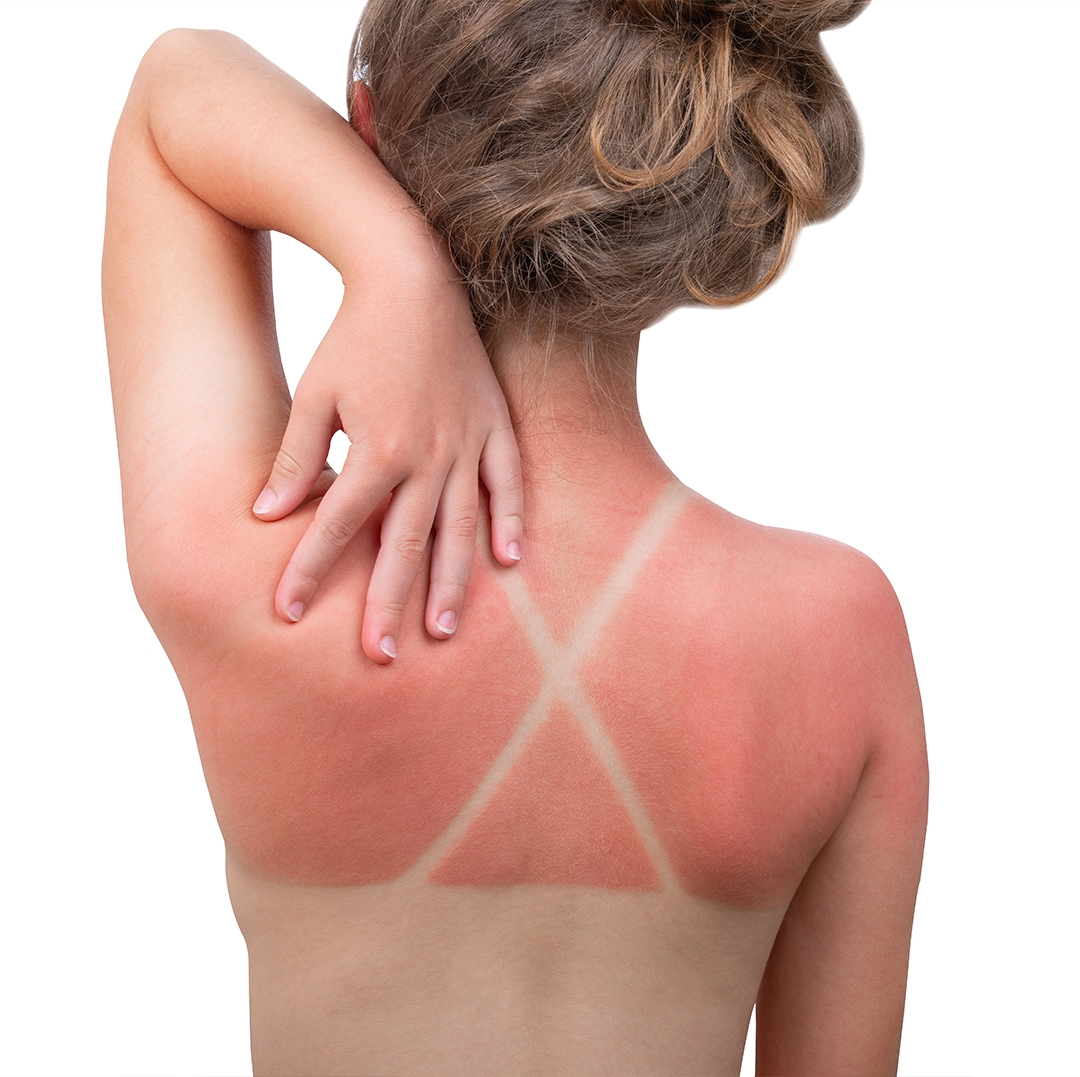
What is sunburn and what mistakes are commonly made at home? This question becomes especially relevant during the summer months, as prolonged, unprotected exposure to the sun initiates a biological damage process in the skin’s upper layers. Sunburn is the skin’s acute reaction to excessive ultraviolet (UV), particularly UV-B, radiation. Redness, heat, tenderness, and occasionally blistering reflect the underlying tissue damage.
In this article, I discuss how sunburn develops, which biological pathways it affects, and why certain at-home practices may worsen the condition.
Why Does Sunburn Occur?
Sunburn occurs when the skin is exposed to more UV radiation than it can tolerate. UV-B rays trigger mechanisms associated with DNA damage in the outer skin layers. This reaction is part of the body’s inflammatory defense response.
When sunburn develops:
Blood vessels dilate, leading to visible redness.
Heat increases, and the area becomes sensitive to touch.
The repair process begins, often followed by peeling as damaged cells shed.
Sunburn is not just a temporary discomfort; frequent episodes contribute to cumulative long-term damage.
How Does Sunburn Affect the Skin?
Depending on severity, sunburn can trigger multiple biological changes. Dermatologically, the most common effects include:
DNA Damage
UV exposure can affect DNA structure, contributing to cellular stress.
Compromised Skin Barrier
After a burn, barrier integrity may temporarily weaken, increasing susceptibility to dryness and irritation.
Intense Dryness and Peeling
As the skin renews itself, the upper layer sheds—this is part of the natural healing cycle.
Increased Pigmentation Tendency
Sunburn can influence melanin pathways, making pigmentation-prone individuals more vulnerable to uneven tone.
Common Mistakes Made at Home After Sunburn
Proper post-sunburn care is important, but avoiding incorrect practices is equally essential. Some at-home methods can worsen inflammation and slow recovery. Below are the most frequent mistakes and their dermatological explanations.
1. Applying Toothpaste
Toothpaste has a high alkaline pH and is not suitable for compromised skin. It may worsen irritation and increase redness.
2. Using Heavy Oil-Based Products
Dense, occlusive oils may trap heat in the skin, prolonging the burning sensation and discomfort.
3. Applying Ice Directly
Ice can cause sudden vasoconstriction in damaged tissue, leading to increased sensitivity and further stress.
4. Popping Blisters
Blisters form as a natural protective mechanism. Breaking them increases the risk of infection.
5. Using Vinegar, Alcohol, or Cologne
Acidic or alcohol-based substances can cause significant irritation on already compromised skin.
6. Returning to Sun Exposure Too Soon
Sunburned skin is highly vulnerable. Further exposure can deepen the damage and prolong recovery.
What Should Be Considered After Sunburn?
The following points are not treatment recommendations but general dermatological principles:
The skin’s temperature should be reduced gently and safely.
Barrier-supporting approaches may be helpful depending on the condition.
Increased water loss makes adequate hydration important.
Sun exposure should be avoided until the skin fully recovers.
Peeling is a natural stage of healing and should not be manually removed.
Not all sunburns are the same. Burns involving large areas, severe pain, or blistering warrant evaluation by a qualified health professional.
Why does sunburn hurt?
Inflammation and heightened nerve sensitivity contribute to the pain.
Why does the skin peel after sunburn?
Peeling reflects the natural shedding of damaged surface cells during renewal.
How long does sunburn take to heal?
Duration varies according to the person's skin structure and the severity of the burn.
Can redness become permanent after sunburn?
Persistent redness can occur in some individuals, though long-term outcomes depend on various factors.
Why do blisters form after a burn?
Blisters act as a protective barrier to shield damaged tissue from external irritation.

Editör
View All Articles