
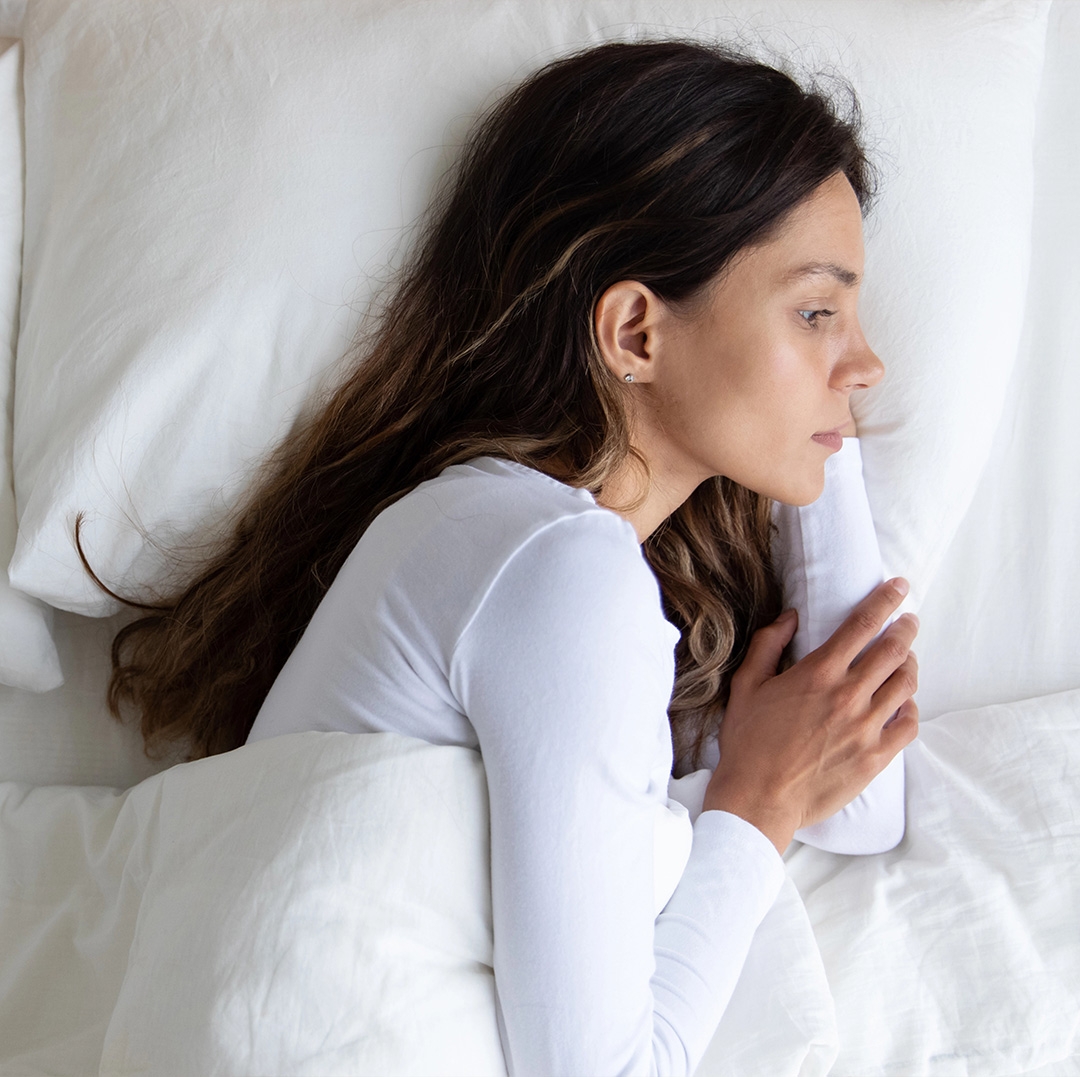
What changes do stress and lack of sleep cause in the skin? This question is one of the most frequently asked by individuals trying to maintain healthy skin amidst the fast pace of modern life. Daily workload, irregular sleep patterns, chronic fatigue, and psychological strain affect not only mental well-being but also the biological functions, defense mechanisms, and regenerative capacity of the skin. From a dermatological perspective, stress and sleep deprivation can contribute to a wide range of visible and biological changes — from early aging signs to disruption of the skin barrier.
In this article, I explain in detail how stress and poor sleep impact the skin through scientific mechanisms, hormonal effects, inflammatory pathways, and barrier function.
Why Is the Skin So Sensitive to Stress?
The skin is the body's largest organ and is closely connected to the nervous system. Because of this connection, psychological stress affects the skin directly. The hormone most involved in this process is cortisol, released during stress.
Elevated cortisol can:
- Disrupt oil balance
- Increase inflammatory activity
- Reduce barrier lipids
- Slow collagen production
- Prolong cellular renewal cycles
These effects highlight that stress is not only an emotional experience but also a biological process with clear dermatologic consequences.
Why Does Lack of Sleep Affect the Skin So Significantly?
Sleep is one of the most critical periods for skin repair and renewal. During the night:
- Cellular repair mechanisms are activated
- Antioxidant capacity increases
- Collagen synthesis accelerates
- Blood flow becomes more regulated
Sleep deprivation interrupts these restorative cycles, leading the skin to appear tired, dull, and more sensitive.
A commonly asked question is: “Does lack of sleep affect the skin?”
From a dermatological standpoint, the answer is unequivocally yes. Poor sleep quality alters both the appearance and biological functions of the skin.
What Visible Skin Changes Occur Due to Stress and Lack of Sleep?
1. Weakening of the Skin Barrier
Stress and sleep deprivation weaken the barrier — the skin’s primary defense against external irritants.
This may cause:
- Dryness
- Tightness
- Irritability
Increased transepidermal water loss (TEWL)
2. Dull and Lackluster Appearance
Insufficient sleep slows blood circulation, making the skin look pale and less vibrant.
3. More Noticeable Fine Lines
During prolonged periods of sleep loss, collagen synthesis decreases. Reduced collagen may result in:
- Loss of elasticity
- More prominent fine lines
- Noticeable changes around the eyes
4. Under-Eye Darkness and Puffiness
With poor sleep, lymphatic circulation slows.
This can lead to:
- Darker under-eye appearance
- Increased swelling
- A fatigued facial expression
5. Increase in Acne Breakouts
When cortisol levels rise during stress, oil production may increase, which can trigger acne in some individuals.
6. Flare-ups of Rosacea and Eczema
Stress is a well-known trigger for inflammatory skin conditions such as:
- Rosacea
- Eczema
- Itching and irritation
These flare-ups often intensify during psychologically challenging periods.
How Do Hormones Influence the Skin?
Several biochemical factors play a role during stress:
Adrenaline: Alters blood flow
Neuropeptides: Amplify the skin–nervous system interaction
Cytokines: Increase inflammation
Together, these hormonal changes may cause:
- Redness
- Sensitivity
- Itching
- Uneven skin tone
Does Stress Accelerate Skin Aging? Why Is This Question So Common?
This is a widely searched question, and the dermatological answer is:
Yes, stress can accelerate the aging process.
There are three main reasons:
1. Collagen Breakdown Increases
Cortisol suppresses collagen production.
2. Antioxidant Defense Weakens
Oxidative damage becomes more pronounced.
3. Sleep Quality Declines
Nighttime repair cycles are disrupted.
When combined, these mechanisms make signs of aging appear more rapidly.
Which Areas Are Most Affected by Stress?
Certain regions are more vulnerable due to their thinner structure and frequent movement:
- Forehead lines
- Under-eye area
- Nasolabial folds
- Neck region
- Lip contours
These areas often show stress-related changes more prominently.
Why Is Supporting the Skin Barrier So Important?
During stressful or sleep-deprived periods, the skin barrier becomes more permeable. This may cause:
- Increased moisture loss
- Greater vulnerability to irritants
- More active inflammatory responses
Barrier-supporting ingredients (ceramides, cholesterol, fatty acids) can help maintain skin balance during these periods.
How Quickly Does Lack of Sleep Affect the Skin?
Dermatologically, changes can appear surprisingly fast.
- Even a single night of insufficient sleep may cause:
- Dullness
- More visible under-eye shadows
- Mild swelling
However, more pronounced changes develop during long-term sleep deprivation.
How Does Managing Stress and Sleep Benefit the Skin?
Stabilizing sleep patterns and reducing stress can help the skin appear:
- Brighter
- More even-toned
- Less reactive
- Better hydrated
- Stronger in its barrier function
These improvements contribute to a healthier overall complexion.
Frequently Asked Questions
How does stress affect the skin?
Stress increases cortisol levels, which can disrupt oil balance, increase inflammation, and weaken the barrier.
Does lack of sleep accelerate skin aging?
Yes. Poor sleep may reduce collagen synthesis, impair repair cycles, and make the eye area appear more pronounced.
Why does lack of sleep cause dark circles?
Slowed lymphatic circulation and increased vascular visibility contribute to under-eye darkness.
Can stress trigger acne?
In some individuals, cortisol-driven oil production may lead to acne breakouts.
Does stress cause rosacea flare-ups?
Yes. Stress can intensify rosacea symptoms and increase sensitivity.

Editör
View All Articles