
Skin cancer is a common disease that occurs when skin cells multiply uncontrollably. It is divided into two main groups: melanoma and non-melanoma (basal cell carcinoma and squamous cell carcinoma). Early diagnosis of skin cancer is critical to successful treatment. In this article, we will discuss skin cancer screening and treatment methods, the importance of early diagnosis, and prevention methods.
Types of Skin Cancer
Melanoma
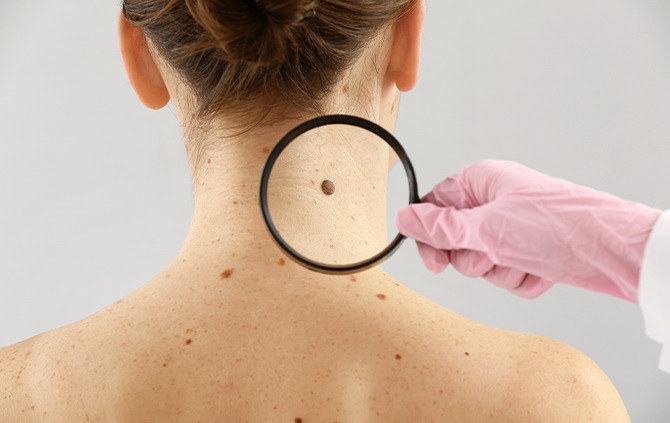
Melanoma is the most dangerous type of skin cancer and originates from melanocytes (pigment-producing cells) in the skin. If not diagnosed early, it can spread to other organs and is difficult to treat. Melanoma usually presents itself as new or changing moles. Asymmetrical shape, irregular edges, different shades of color and a diameter larger than 6 millimeters are among the symptoms of melanoma.
Basal Cell Carcinoma
Basal cell carcinoma is the most common type of skin cancer. It usually occurs on the face, neck, and hands. It grows slowly and rarely metastasizes. This type of cancer usually begins as raised, shiny, pearly nodules on the skin.
Squamous Cell Carcinoma
Squamous cell carcinoma is the second most common type of skin cancer. It occurs in sun-exposed areas, especially the face and hands. It can be more aggressive and carries a risk of spreading to other organs. It presents with a raised, rough or hard surface.
Skin Cancer Symptoms
New or Changing Moles: Newly formed or changes in existing moles on the skin.
Bleeding or Non-Healing Wounds: Wounds that bleed, crust over, or do not heal for a long time.
Raised or Rough Areas: Raised, rough or hard areas on the skin.
Skin Cancer Screening and Early Detection
Regular Skin Checks
Regular dermatologist check-ups are important for early detection of skin cancer. Having a skin examination at least once a year helps detect skin cancer in its early stages.
Self-Examination
You can notice changes in your skin by doing a self-examination once a month. Use a mirror to check every part of your body and note any suspicious spots.
Skin Cancer Treatment Options
Surgical intervention
The most common treatment for skin cancer is surgery. The cancerous tissue is surgically removed. In melanoma, lymph nodes may also be removed.
Cryotherapy
Cryotherapy is a method of destroying cancerous tissue by freezing. It is effective for small and superficial skin cancers.
Radiotherapy
Radiotherapy is a treatment that uses high-energy rays to kill cancer cells. It can be used when surgery is not possible or as an additional treatment.
Chemotherapy
In advanced skin cancers, chemotherapy may be used to destroy cancer cells. It is preferred for aggressive types such as melanoma.
Ways of Protection
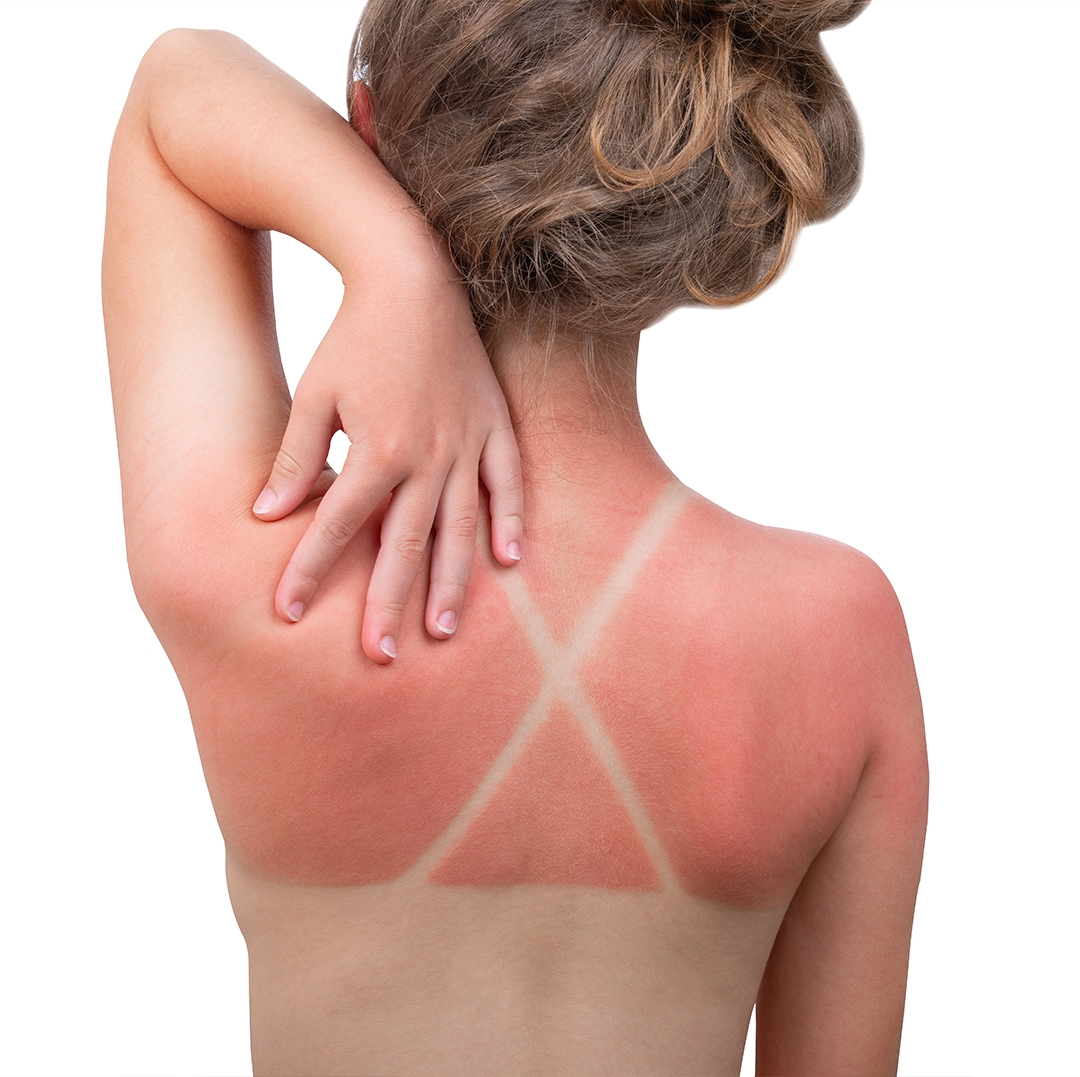
Use of Sunscreen: Protect your skin from UV rays by using sunscreen.
Protective Clothing: Wear wide-brimmed hats, long sleeves, and UV-protective glasses.
Stay in Shade: Stay in the shade during the hours when the sun is at its strongest.
Regular Checkups: Do not neglect dermatologist checkups and notice suspicious changes early.
Skin cancer is a treatable disease when detected early. Regular skin checks and self-examinations are critical for early detection. With the help of a professional dermatologist, you can assess your skin cancer risk and learn about appropriate screening and prevention methods. See your dermatologist to protect your skin health and take precautions against skin cancer.
You can quickly reach dermatologists in your city and make an appointment via Dermatologbul.com.

Editör
View All Articles