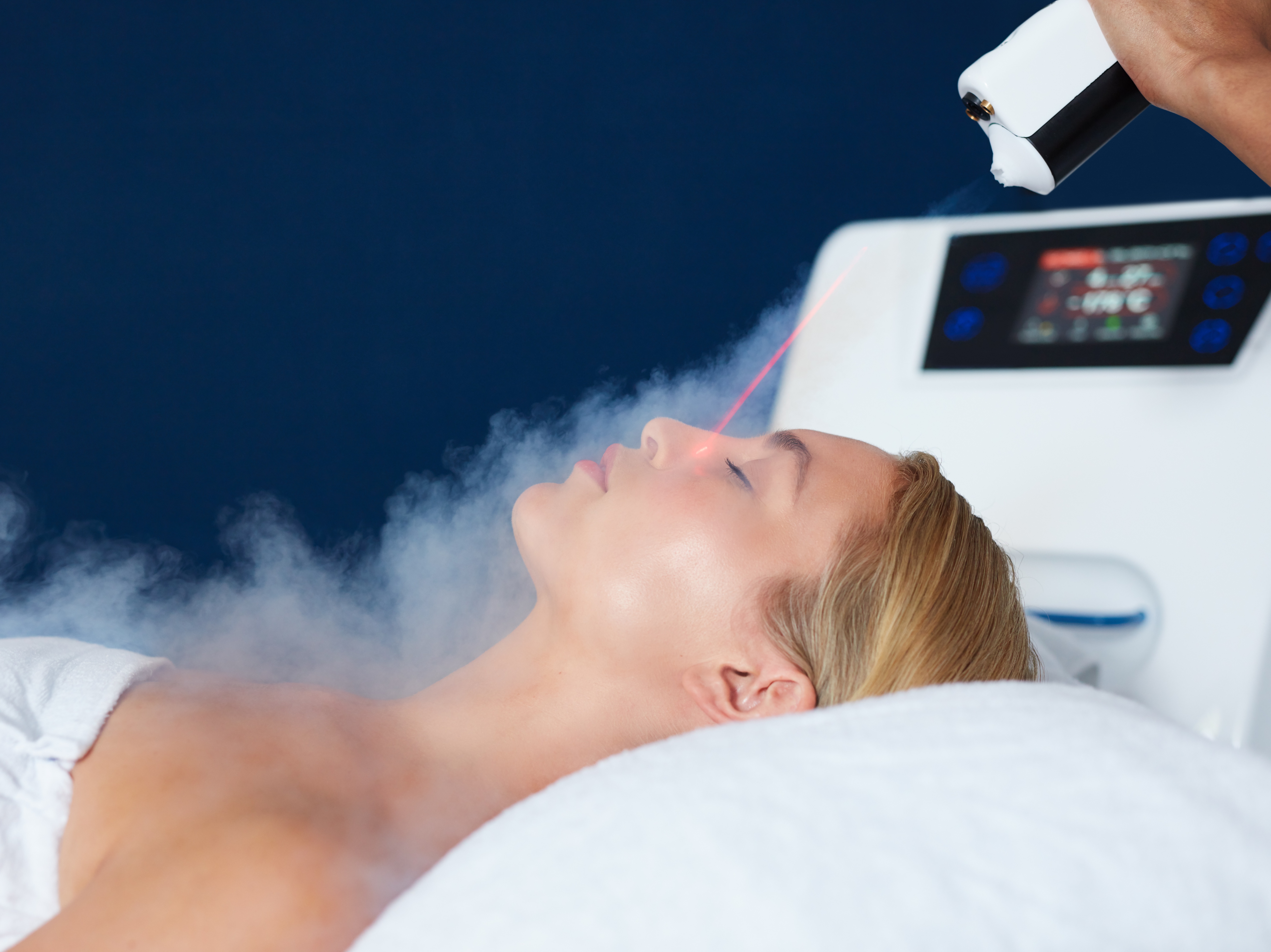


The question “What is skin type and how is it determined?” is highly important for both daily skincare routines and dermatological treatment planning.
Your skin type is shaped by genetic factors, hormonal balance, environmental conditions, and lifestyle.
Therefore, understanding your skin type correctly is not merely an aesthetic concern—it’s the first step toward protecting your skin’s long-term health.
Types of Skin
Dermatologically, skin types are generally categorized into five main groups: normal, dry, oily, combination, and sensitive.
This classification is based on sebum (oil) balance, moisture level, pore structure, and the skin’s sensitivity to external factors.
1. Normal Skin
Sebum production is balanced—neither too oily nor too dry. Pores are barely visible and the skin tone is even.
This type is often seen during childhood or early adolescence but may change with age.
2. Dry Skin
Characterized by low moisture retention and a feeling of tightness. The surface appears dull and may tend to flake.
The skin barrier is often weak, reducing its defense against external aggressors. Fine lines may appear earlier in this skin type.
3. Oily Skin
Excess sebum production causes shine, especially on the forehead, nose, and chin.
Pores are enlarged and blackheads or acne are common.
However, oily skin tends to age more slowly compared to other types.
4. Combination Skin
The T-zone (forehead, nose, chin) is oily, while the cheeks are dry or normal.
This is the most common skin type and requires a balanced skincare routine tailored to the needs of each area.
5. Sensitive Skin
Prone to redness, burning, or stinging sensations.
External factors, cosmetic products, or temperature changes may easily cause irritation.
Sensitive skin is often seen in combination with other types (e.g., sensitive-dry skin).
How to Determine Your Skin Type
You can roughly identify your skin type at home using a simple observation method known as the “Face Wash Test.”
Wash your face with a gentle cleanser and pat dry with a towel.
Do not apply any products for about 30 minutes.
Examine your skin in the mirror or use blotting paper to check oil levels:
If the T-zone is shiny → you have oily or combination skin.
If your entire face feels tight → you have dry skin.
If there’s no excessive oil or dryness → your skin is normal.
However, for an accurate diagnosis, a dermatological examination is essential.
Professional devices can measure sebum level, moisture balance, pH, elasticity, and pigment distribution for precise results.
Skincare Tips by Skin Type
Your skin type directly determines which daily products you should use.
Using the wrong products can disrupt your skin’s balance and worsen existing concerns.
Dry skin: Choose rich moisturizers containing ceramides, hyaluronic acid, and glycerin.
Oily skin: Use lightweight, water-based, non-comedogenic (non-pore-clogging) formulas.
Combination skin: Apply mattifying products to the T-zone and hydrating ones to the cheeks.
Sensitive skin: Avoid fragrances, alcohol, and high-acid formulations.
Regardless of your skin type, sun protection is non-negotiable.
UV rays are the leading cause of premature aging and hyperpigmentation.
Does Skin Type Change Over Time?
Yes, your skin type is not fixed.
Seasonal transitions, hormonal changes, aging, stress, diet, and cosmetic products can all alter it.
For instance, oily skin in youth may become drier with age.
That’s why regular dermatological check-ups, especially during seasonal shifts, are crucial for updating your skincare routine.
The most accurate answer to “What is skin type and how is it determined?” comes from dermatological analysis.
Knowing your skin type helps you choose the right products and maintain healthy skin in the long run.
Remember — a healthy skin is not only a sign of beauty but also a reflection of overall well-being.
Frequently Asked Questions
1. Can I determine my skin type accurately at home?
No. At-home tests only give an approximate idea; accurate results require a dermatologist’s device-assisted analysis.
2. Do combination skin types need special products?
Yes. Since the T-zone and cheeks have different needs, using targeted products for each area is recommended.
3. Why does sensitive skin get irritated easily?
Because of a weakened skin barrier that reduces defense against external factors, causing redness, burning, or stinging.
4. Does skin type change with age?
Yes. After the 30s, sebum production decreases, leading to a drier skin texture.
5. Is it harmful to use products without knowing my skin type?
Yes. Using the wrong products can cause acne, irritation, or damage to the skin barrier.
6. How often should I get a skin analysis?
At least once a year—preferably during seasonal transitions—for the most accurate evaluation.

Editör
View All Articles