
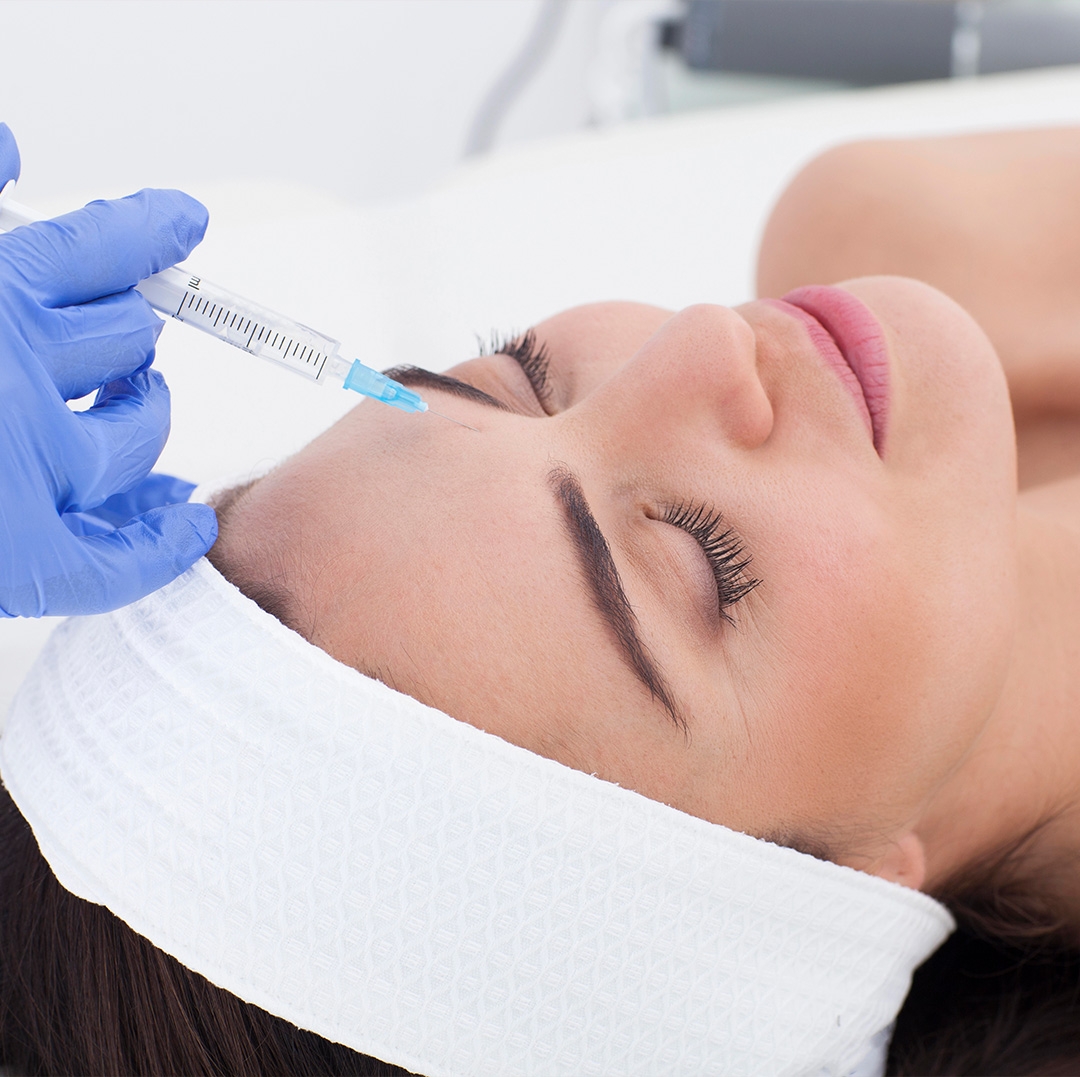
The question “What is mesotherapy and which skin concerns does it treat?” has become one of the most frequently discussed topics in aesthetic dermatology in recent years. Commonly used for skin rejuvenation, hydration balance, pigmentation issues, and hair loss treatments, this method involves delivering active ingredients directly into the middle layer of the skin (the mesoderm). This allows targeted action on areas that topical creams cannot reach, stimulating cellular regeneration from within.
1. What Is Mesotherapy?
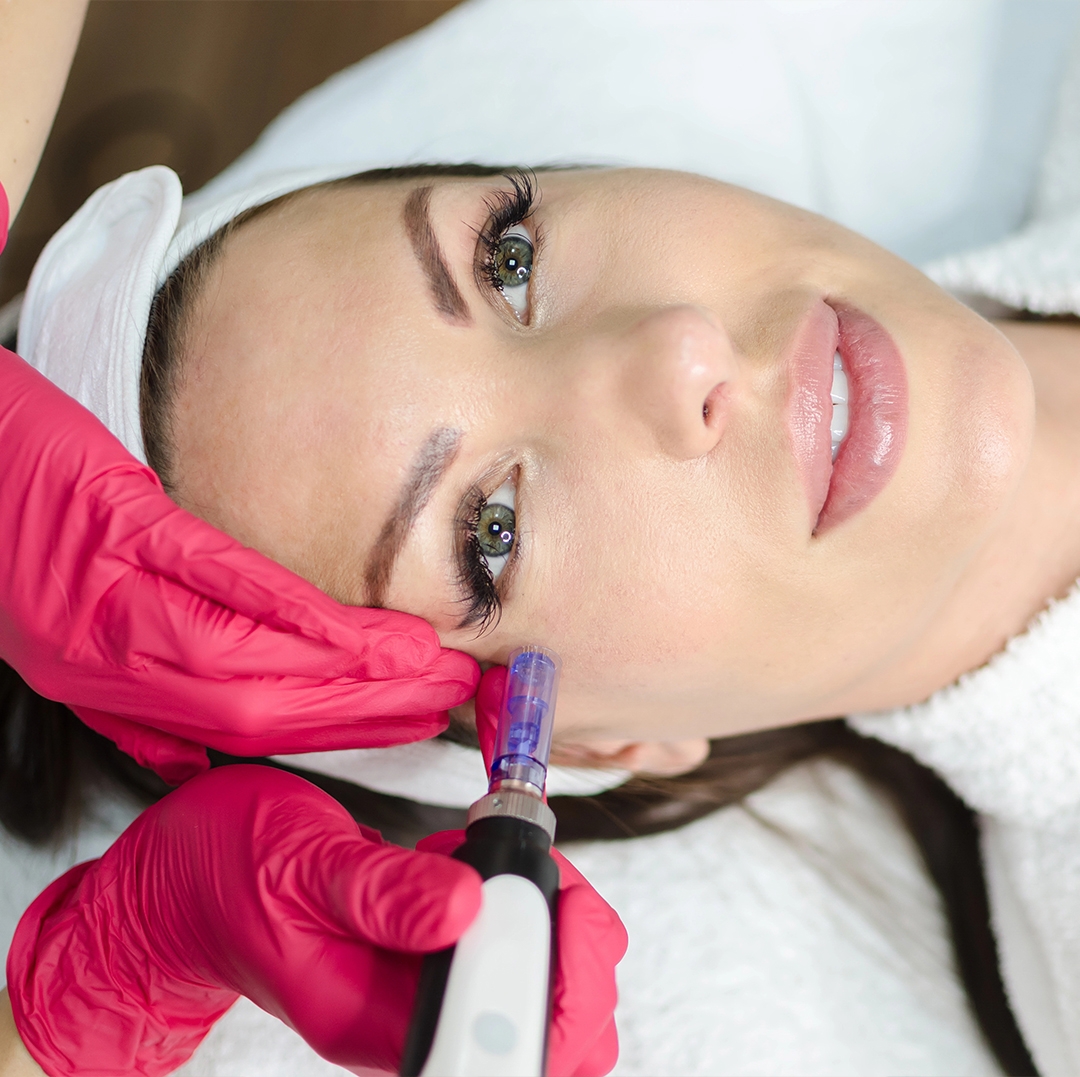
Mesotherapy is a procedure in which vitamins, minerals, amino acids, hyaluronic acid, and antioxidants are injected into the skin through micro-needles.
The process creates controlled microtraumas that trigger the body’s natural healing mechanisms.
As a result, collagen and elastin production increases, and the skin appears more vibrant, firm, and radiant.
Originally developed in France in the 1950s for medical purposes, mesotherapy has since become a widely used method in dermatology and aesthetics.
Today, it is safely applied for both facial rejuvenation and regional treatments.
2. How Mesotherapy Works
Mesotherapy works through two combined mechanisms:
The biochemical effect of the applied ingredients (e.g., hyaluronic acid’s ability to retain moisture)
The stimulatory effect of the microchannels created in the skin (activating the renewal process)
This dual action nourishes the skin deeply while initiating its self-repair process.
A typical session lasts about 15–30 minutes and is personalized based on individual skin needs.
3. Which Skin Concerns Can Mesotherapy Address?
Mesotherapy is a versatile treatment method.
By tailoring ingredient combinations, it can be used for various dermatological and aesthetic concerns such as:
a. Skin Rejuvenation and Hydration Therapy
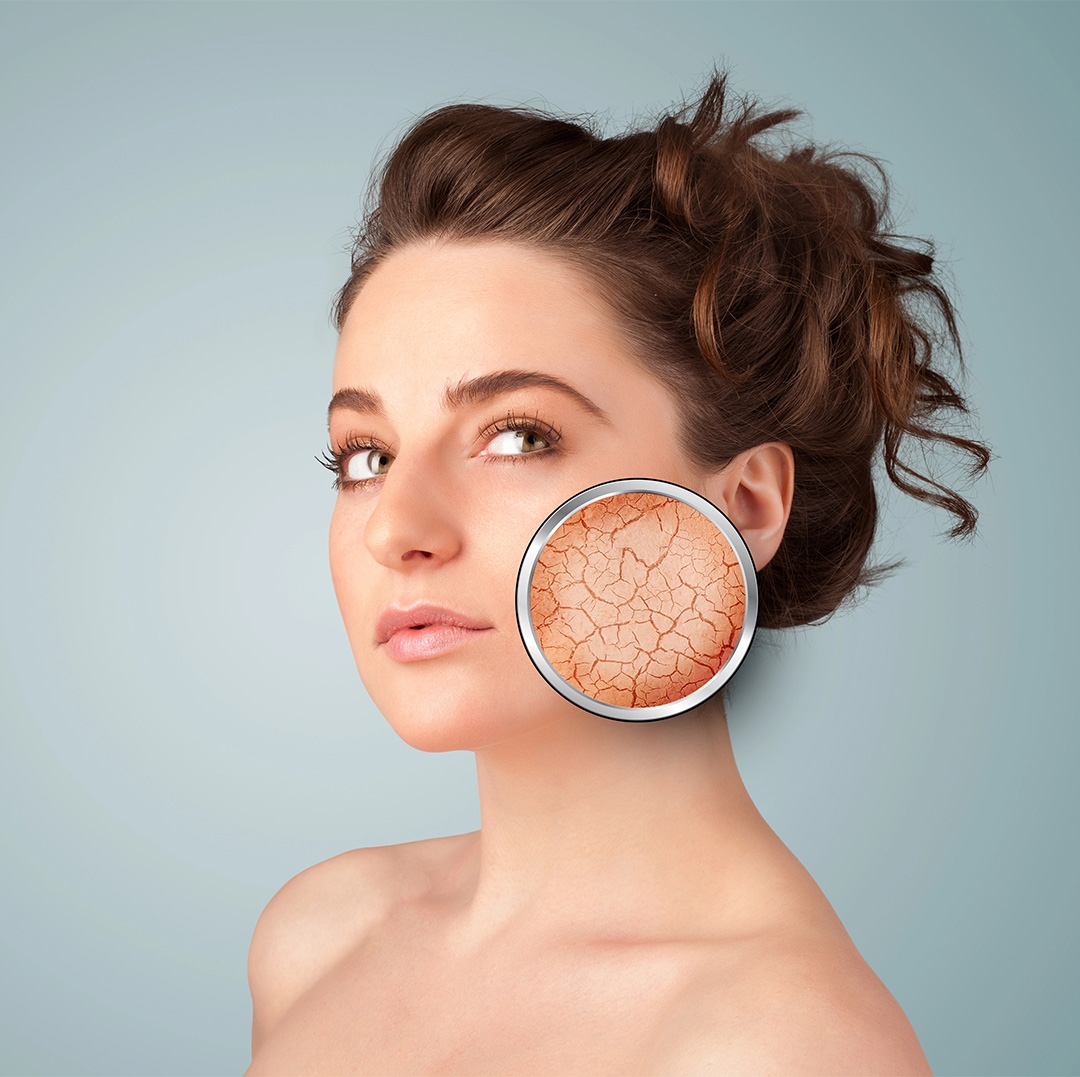
Ideal for dryness, dullness, and lack of vitality.
Includes hyaluronic acid, vitamin C, and antioxidants.
Improves the skin’s moisture retention, giving it a plumper and more luminous appearance.
b. Fine Lines and Wrinkle Reduction
Formulas containing DMAE and peptides stimulate collagen synthesis.
Improves skin elasticity and reduces visible signs of aging.
When combined with botulinum toxin, it can significantly enhance results for expression lines.
c. Pigmentation and Spot Treatment
Uses ingredients such as glutathione, kojic acid, and vitamin C to inhibit melanin production.
Effective for sunspots, melasma, and post-acne pigmentation.
Can complement laser or chemical peeling treatments.
d. Hair Loss (Hair Mesotherapy)
Contains vitamins, minerals, amino acids, and growth factors that nourish hair follicles.
Reduces hair shedding and promotes new hair growth.
When combined with PRP (Platelet-Rich Plasma), the results are enhanced.
e. Neck, Décolleté, and Hand Rejuvenation
Reduces signs of aging and evens out skin tone in these delicate areas.
Especially effective against fine lines caused by sun exposure.
f. Acne and Acne Scar Treatment
Uses anti-inflammatory and sebum-regulating formulations.
Minimizes post-acne dullness and improves overall skin texture.
4. How Many Mesotherapy Sessions Are Needed?
The number of sessions varies depending on skin type and treatment goals.
Typically, 3–6 sessions are recommended, spaced 10–15 days apart.
Later, maintenance sessions a few times a year help sustain the results.
Mild redness or a tingling sensation may occur after treatment, usually subsiding within a few hours.
5. Aftercare: What to Avoid After Mesotherapy
Avoid makeup for the first 24 hours.
Do not use saunas, steam baths, sunbathe, or exercise on the same day.
Always apply sunscreen.
Drink plenty of water to support the skin’s regeneration process.
Following these aftercare steps enhances treatment effectiveness and minimizes the risk of irritation.
6. Who Can and Cannot Have Mesotherapy?
Mesotherapy is generally safe but not suitable for everyone. It should be avoided in the following cases:
Pregnancy and breastfeeding
Active infections or open wounds in the treatment area
Blood clotting disorders
Immunosuppressed individuals
Allergy to any of the active ingredients
A dermatologist’s evaluation before treatment is essential to ensure safety and suitability.
Mesotherapy is a scientifically backed treatment that supports the skin’s natural renewal mechanisms.
When performed under dermatological supervision with the right ingredients and session planning, it improves skin quality, reduces aging signs, and strengthens overall skin health.
Today, it stands out as one of the most effective and safe non-surgical rejuvenation methods in modern dermatology.
Frequently Asked Questions
1. Is mesotherapy painful?
No. A topical anesthetic cream is applied before treatment, minimizing discomfort.
2. When do results appear?
A visible glow can be noticed after the first session; more lasting results appear after 3–4 sessions.
3. Is mesotherapy permanent?
Results are not permanent, but regular maintenance sessions ensure long-term benefits.
4. What’s the difference between mesotherapy and PRP?
PRP uses the patient’s own plasma, while mesotherapy uses prepared bioactive cocktails. Both can be combined for enhanced results.
5. Can bruising occur after mesotherapy?
Mild redness or tiny bruises may appear, especially in sensitive skin, but they resolve within a few days.
6. Who should perform mesotherapy?
It must be performed by a dermatologist or a licensed medical professional under dermatological supervision.

Editör
View All Articles