
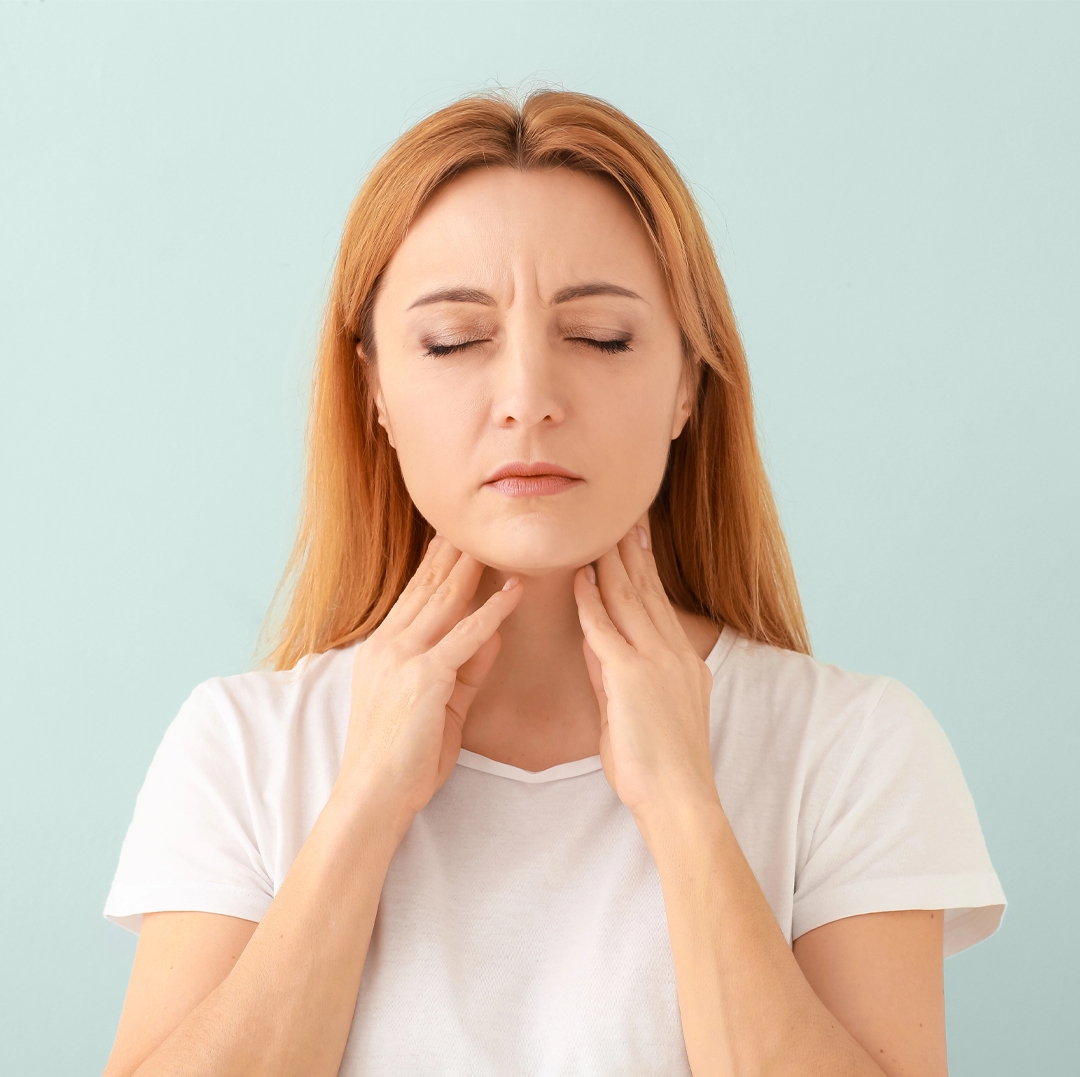
The thyroid gland plays a key role in regulating metabolism, energy balance, temperature control, and the function of many organs in the body. When thyroid hormones are produced in excess or insufficient amounts, the effects are not limited to internal organs; the skin, hair, nails, and even the body’s sweating patterns may be directly affected. Because of this broad influence, thyroid disorders are often associated with dermatological signs.
Thyroid hormones influence skin cell turnover, moisture retention, collagen production, and circulation. Therefore, disruptions in thyroid function may lead to noticeable changes on the skin. The type of changes observed depends on whether the condition is hypothyroidism (underactive thyroid) or hyperthyroidism (overactive thyroid).
Skin Changes Seen in Hypothyroidism
Hypothyroidism occurs when the thyroid gland produces insufficient hormones. The resulting slowdown in metabolism can lead to several characteristic skin findings.
1. Dry and Thickened Skin
A reduced rate of skin renewal often results in dryness, dullness, and a rough texture. Thickening of the skin is especially common on the elbows, knees, and heels.
2. Increased Sensitivity to Cold
Thyroid hormones help regulate body temperature. When hormone levels are low, the skin becomes more sensitive to cold, which may further intensify dryness.
3. Pale and Puffy Appearance
Slowed circulation may cause the skin to appear pale. Some individuals may also experience mild facial puffiness or fullness.
4. Hair and Eyebrow Thinning
Hair loss is common in hypothyroidism. Thinning of the eyebrows—particularly the outer third—is a well-known clinical sign. Scalp dryness may accompany these changes.
5. Brittle Nails
Nails may grow more slowly, become more fragile, and develop ridges. These changes often parallel the overall dryness of the skin.
Skin Changes Seen in Hyperthyroidism
Hyperthyroidism occurs when the thyroid gland produces excess hormones. The increased metabolic rate leads to different types of skin changes.
1. Excess Heat and Sweating
People with hyperthyroidism often experience excessive sweating. The skin may feel warmer, moist, and clammy throughout the day.
2. Thin and Sensitive Skin
Accelerated metabolism may result in a thinner, more delicate skin structure that is easily irritated by external factors.
3. Redness and Visible Blood Vessels
Facial and neck redness may become more noticeable. In some individuals, superficial blood vessels may appear more prominent, especially in response to heat changes.
4. Hair Thinning
The hair may become finer, more brittle, or appear dull. Hair shedding can increase, although the degree varies between individuals.
5. Rapid Nail Growth with Fragility
Nails may grow faster but remain structurally weak, leading to breakage or folding.
Specific Dermatological Findings Associated with Thyroid Disorders
Certain thyroid conditions can produce distinctive skin signs:
Pretibial myxedema: Seen particularly in Graves’ disease, characterized by thickening and an orange-peel appearance on the front of the lower legs.
Vitiligo tendency: Autoimmune thyroid diseases can be associated with a higher occurrence of vitiligo.
Hives-like reactions: Some thyroid imbalances may contribute to urticaria-like flare-ups.
These findings do not appear in every individual; clinical evaluation is essential.
Do Skin Changes Always Indicate a Thyroid Disorder?
No. Skin symptoms may suggest thyroid dysfunction but are not sufficient for diagnosis on their own. Dryness, hair thinning, or increased sweating may result from many different causes. Therefore, when thyroid-related skin signs are suspected, evaluation by an internal medicine or endocrinology specialist is recommended.
Frequently Asked Questions
Are skin symptoms the first signs of thyroid disease?
In some individuals, skin changes may appear early, but a medical evaluation is necessary for diagnosis.
Why does the skin become dry in hypothyroidism?
Low thyroid hormone levels slow skin cell turnover and reduce moisture-retention capacity.
Can excessive sweating indicate hyperthyroidism?
It may occur due to increased metabolism, but sweating alone is not diagnostic.
Will hair loss stop once thyroid levels are treated?
Hair loss may improve after the underlying condition is managed, but the timeline varies for each person.
Do thyroid treatments immediately improve skin symptoms?
Skin changes may take time to resolve, depending on the individual and the underlying condition.
This content is for informational purposes only; please consult a qualified healthcare professional for diagnosis and treatment.

Editör
View All Articles