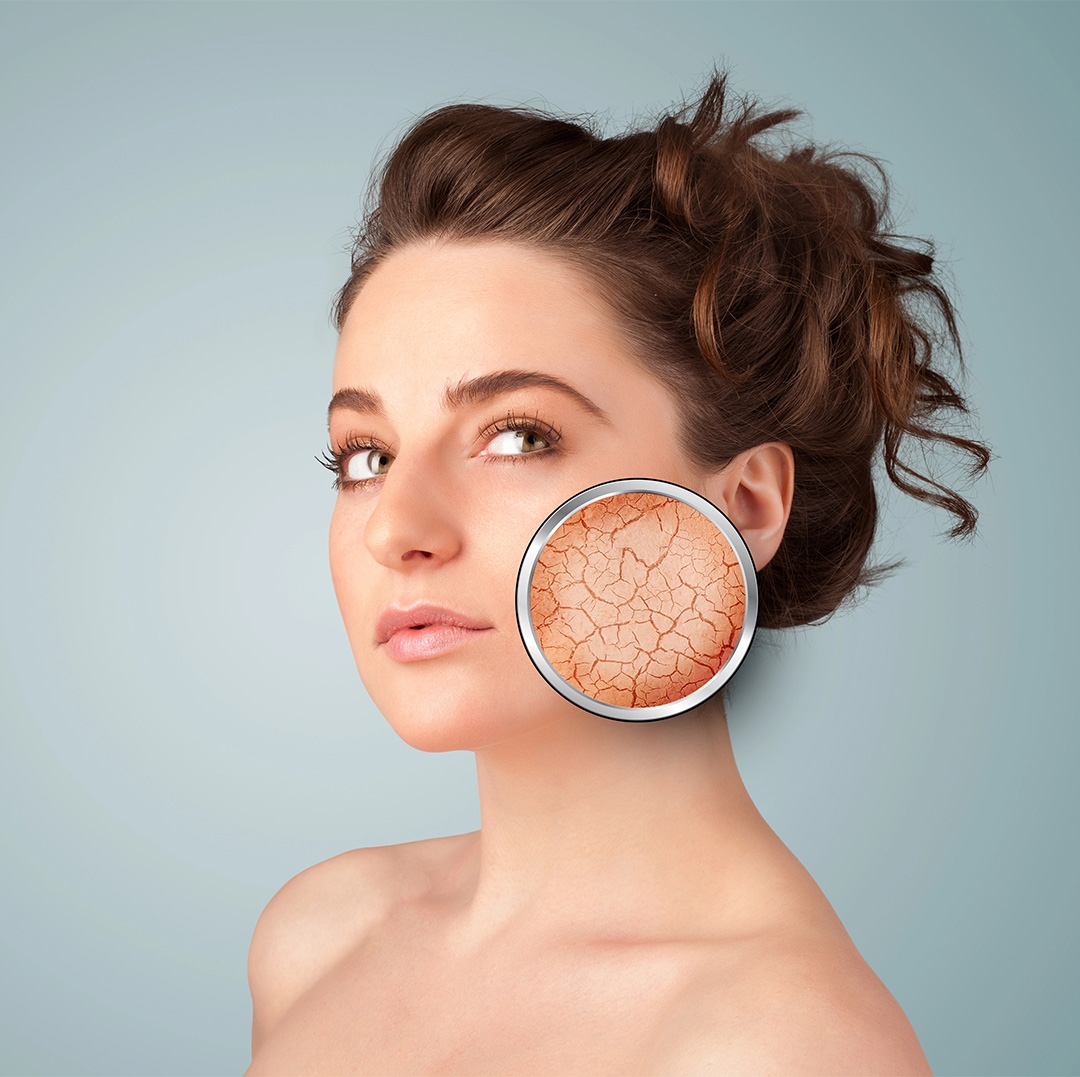

What is carboxy therapy, and how does it support skin renewal? This method has become increasingly popular among individuals seeking solutions for dullness, lack of vitality, reduced elasticity, or circulation-related skin concerns. Many patients who consult dermatology clinics express complaints such as “my skin looks tired” or “I feel like my complexion has lost its brightness.” Carboxy therapy is one of the supportive care approaches frequently researched in such cases. It is based on the principle of administering controlled carbon dioxide (CO₂) to the skin to stimulate natural physiological responses.
In this article, I explain what carboxy therapy is, how it works within skin biology, why certain individuals show interest in it, and in what way it may contribute to a fresher-looking complexion. All information is provided strictly for informational purposes, with no promotional intent, superiority claims, or treatment guarantees.
What Is Carboxy Therapy?
Carboxy therapy is a skincare approach that involves the controlled administration of carbon dioxide (CO₂) to the skin surface. The aim is not to alter the skin’s biological structure but to create a short-term, controlled stimulus. This temporary physiological response may support local circulation and help the skin appear more vibrant.
The primary goals of carboxy therapy include:
- Supporting skin microcirculation
- Reducing the appearance of dull and lackluster skin
- Enhancing the feeling of surface vitality
- Contributing to a fresher and more energized look
How Does Carboxy Therapy Affect the Skin?
The effects of carboxy therapy are based on a physiological principle known as the Bohr effect. According to this mechanism, when carbon dioxide levels increase in a specific area, the body redirects oxygen to that region to restore balance.
This natural response may contribute to several skin-related benefits:
Support for Microcirculation
Increased blood flow following CO₂ exposure can help soften the appearance of pale, dull skin.
A More Even and Radiant Skin Tone
As microcirculation improves, the complexion may appear warmer and more vibrant.
Reduced Tired-Looking Skin
Stress, lack of sleep, and environmental factors often contribute to a fatigued appearance. Improved oxygen delivery may help counterbalance this look.
Support for Processes Related to Skin Elasticity
The physiological stimulus triggered by CO₂ may contribute to a firmer and more energized appearance.
Indirect Relationship with the Skin Barrier
Carboxy therapy is not a barrier-repairing treatment.
However, increased circulation and vitality may complement barrier-focused skincare routines.
How Is Carboxy Therapy Performed? (General Information)
In accordance with healthcare regulations, the procedure is explained only at a general, non-technical level and not as a step-by-step medical guide.
Carboxy therapy involves the controlled administration of CO₂ into targeted skin areas. It must only be performed by healthcare professionals authorized under relevant regulations.
- General informational points include:
- The skin is assessed prior to the procedure.
- The treatment area is identified.
- The skin surface is prepared appropriately.
- CO₂ is applied in a controlled manner.
- Temporary sensations such as warmth, fullness, or pressure may occur.
Post-care recommendations are provided based on individual skin needs.
These explanations are intended solely as general information and do not constitute medical instructions or procedural guidance.
What Is the Role of Carboxy Therapy in Skin Renewal?
The term “renewal” can sometimes be misleading. Carboxy therapy does not stop biological aging, reverse cellular changes, or regenerate the skin.
Instead, its contribution is supportive:
- It can help the skin appear fresher.
- It may reduce the look of dullness.
- It can balance a tired, depleted appearance.
- It may help achieve a more even, energized tone.
All of these effects stem from supporting circulation and oxygenation—not from altering the skin’s biological age.
Who Is Interested in Carboxy Therapy?
Individuals who frequently research or show interest in carboxy therapy often have the following concerns:
- Dull and lackluster skin
- Reduced vitality in the complexion
- A tired appearance related to stress or lifestyle
- Circulation-related skin concerns
- Desire for a more refreshed look
- Every skin type is unique.
In the presence of significant dermatological findings, a full evaluation by a dermatologist is essential.
Important Considerations About Carboxy Therapy
Carboxy therapy may not be suitable for everyone. Dermatological evaluation is especially important for individuals with:
- Active skin infections
- Uncontrolled inflammatory skin diseases
- Open wounds
- Certain systemic conditions
Only authorized healthcare professionals can determine suitability.
When Are Results Typically Noticed?
The response to carboxy therapy varies widely based on:
- Skin barrier condition
- Microcirculation structure
- Age
- Daily skincare habits
- Lifestyle and environmental factors
Because of these variables, giving a universal timeline would not be scientifically accurate.
How Carboxy Therapy Relates to Other Supportive Care Methods
Carboxy therapy is a standalone supportive approach. Improved microcirculation may help other skincare routines work in greater harmony—but determining which methods can be safely combined requires evaluation by a dermatologist.
Frequently Asked Questions
What is carboxy therapy?
A method based on the controlled administration of CO₂ to the skin to support microcirculation.
Does carboxy therapy renew the skin?
No. It does not regenerate the skin biologically. It may support a fresher, more vibrant appearance.
How is the procedure performed?
It can only be carried out by authorized healthcare professionals. The general process includes evaluation, preparation, and controlled CO₂ application.
When are the effects visible?
This varies by individual and depends on circulation, skincare habits, and lifestyle.
Which skin types are interested in this method?
Those experiencing dullness, loss of vitality, or a tired appearance often research carboxy therapy.

Editör
View All Articles