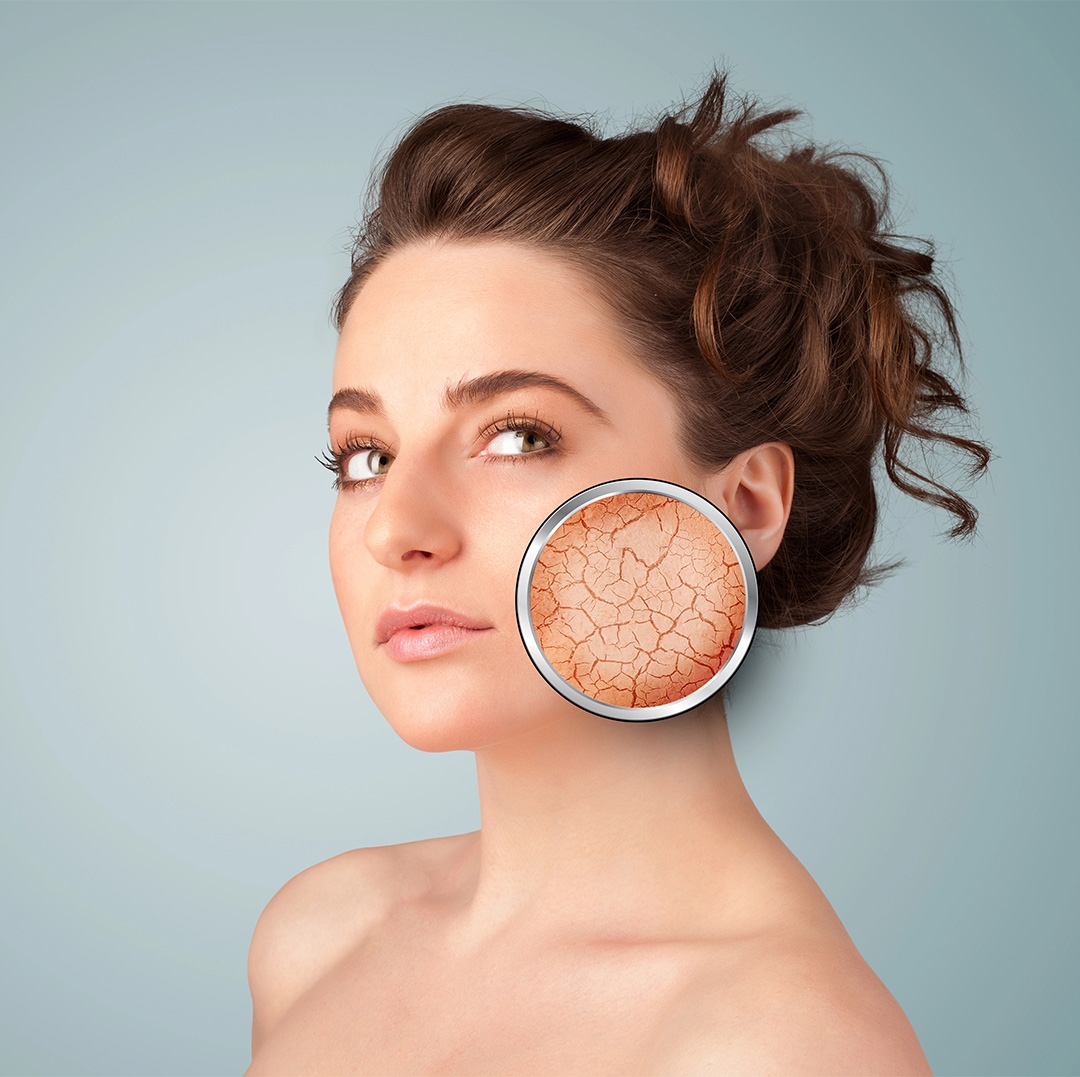

Why does cold weather cause skin to flake? As winter approaches, many people begin to notice dryness, tightness, dullness, and visible flaking—especially on the face, lips, hands, and other exposed areas. These complaints increase significantly during the colder months and are closely related to skin barrier physiology.
In this article, I explain how cold weather affects the skin, the biological mechanism behind flaking, who is more prone to it, and why the skin becomes more vulnerable during winter.
Why Does the Skin Dry Out More Easily in Cold Weather?
The skin’s outermost protective shield is the skin barrier. This barrier is made up of lipids (fatty layers), natural moisturizing factors (NMF), ceramides, cholesterol, and structural proteins. It prevents water loss and protects the skin from external irritants.
Several key changes occur in cold environments that weaken this barrier:
Low Humidity Levels
During winter, humidity drops significantly.
This increases the gradient between moisture inside the skin and the dry air outside.
As a result, water evaporates more quickly from the skin.
This process is known as TEWL (transepidermal water loss) and cold weather is one of the strongest triggers.
Cold and Wind Damage the Lipid Layer
Cold wind rapidly strips away the skin’s natural lipid film.
When this layer is disrupted:
- Cracks can form
- Redness becomes more visible
- Roughness and flaking appear
Reduced Microcirculation
Cold temperatures cause capillaries to constrict, which decreases blood flow to the skin.
This leads to:
- A pale or dull appearance
- Reduced nourishment of the surface layers
- Slower skin renewal
Sudden Temperature Changes
Going from a cold outdoor environment to a warm indoor space creates thermal shock.
The skin may feel:
- Tight
- Dry
- More easily irritated
Heated indoor environments—radiators, air conditioners, low-humidity offices—intensify this effect.
How Does Flaking Actually Occur?
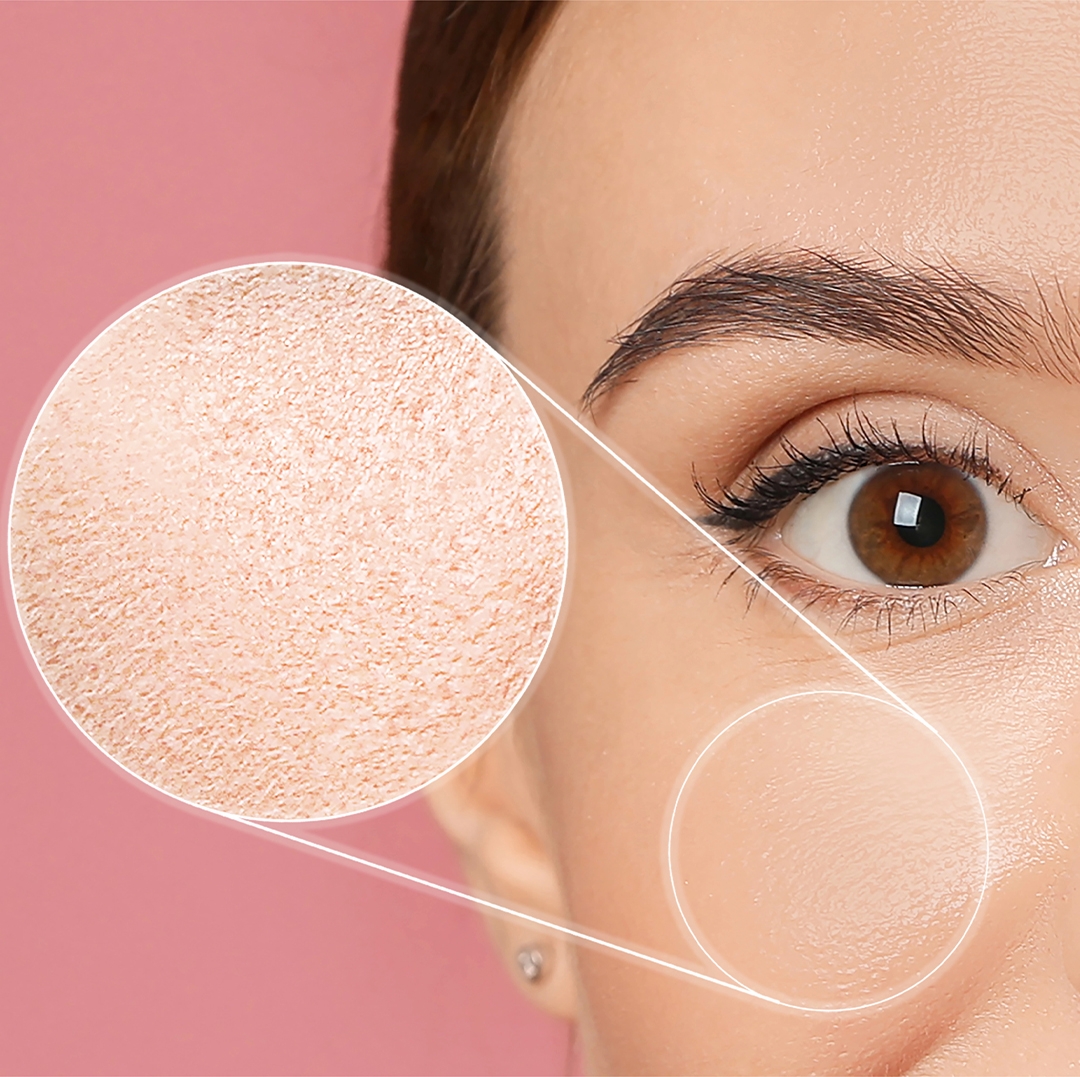
Flaking is essentially a visible sign of skin barrier stress.
The Biological Mechanism of Flaking
- The barrier becomes impaired.
- Water loss increases rapidly.
- The stratum corneum (outermost layer) becomes dry and rigid.
- Lipids holding skin cells together decrease.
- The surface loses integrity and begins to shed in small pieces.
- These tiny pieces are what we see as flakes.
Who Experiences More Flaking in Cold Weather?
Although cold weather affects all skin types, certain groups are more prone to flaking:
Dry and Sensitive Skin Types
Already have a weaker barrier, so winter dryness amplifies quickly.
Individuals with Atopic Dermatitis
Barrier permeability is naturally higher, making redness, itching, and flaking more likely.
Aging Skin
As we age, the production of natural moisturizing factors decreases.
People Who Wash Their Face Frequently
Harsh cleansers and soaps weaken the barrier.
Those Who Overuse Peeling Products
Acidic exfoliants can worsen flaking during winter.
What Other Symptoms Can Accompany Flaking?
Flaking is often part of a broader picture of barrier stress.
Additional symptoms may include:
- Redness
- Burning sensation
- Tightness
- Itching
- Fine cracks
- Difficulty applying makeup
- Loss of elasticity and comfort
These signs indicate increased water loss and a weakened barrier.
Dermatological Perspective: Why Does Cold Weather Lead to Flaking?
Dermatologists commonly describe winter-related flaking as “winter dermatitis” or “cold-weather barrier disruption.”
- The underlying causes include:
- Increased transepidermal water loss
- Disruption of the lipid layer
- Slower renewal of the epidermis
- Higher environmental stress
Flaking is not a disease; it is a signal that the skin needs protection and support.
Habits That Worsen Flaking in Winter
Certain habits can intensify cold-weather skin flaking:
- Showering with very hot water
- Using harsh, drying cleansers
- Spending long hours in heated, low-humidity environments
- Being exposed to strong wind
- Not using moisturizers
- Overuse of alcohol-based toners or exfoliants
These factors accelerate barrier breakdown.
Why Is the Skin Barrier More Vulnerable to Cold?
Cold weather affects three key defenses of the skin barrier:
1. Reduced Lipid Production
Sebum production slows significantly in low temperatures.
2. Lower Water-Binding Ability
Natural moisturizing factors decrease, making the outer layers less elastic.
3. Slower Renewal
The skin’s natural cell turnover cycle becomes longer.
These three changes collectively lead to flaking.
How Does Cold Weather Affect Different Skin Types?
Combination Skin: The T-zone may appear oily while the cheeks experience flaking.
Oily Skin: Oil production decreases, leading to flaking around the nose or mouth.
Dry Skin: Shows the most pronounced symptoms of winter dryness.
Sensitive Skin: Often accompanied by redness and burning sensations.
Frequently Asked Questions
Why does cold weather dry out the skin?
Low humidity and wind increase moisture loss and disturb the barrier, leading to dryness and flaking.
Is flaking considered a disease?
No. It is a sign that the skin barrier is stressed or weakened.
Who experiences more flaking in cold weather?
Dry, sensitive, and atopic skin types, and those who overwash the face.
Why does circulation decrease in cold temperatures?
Cold causes blood vessels to constrict, reducing skin nourishment.
Why does moving quickly from cold outdoor air to warm indoor air worsen flaking?
Sudden temperature changes increase water loss and stress the barrier.

Editör
View All Articles