
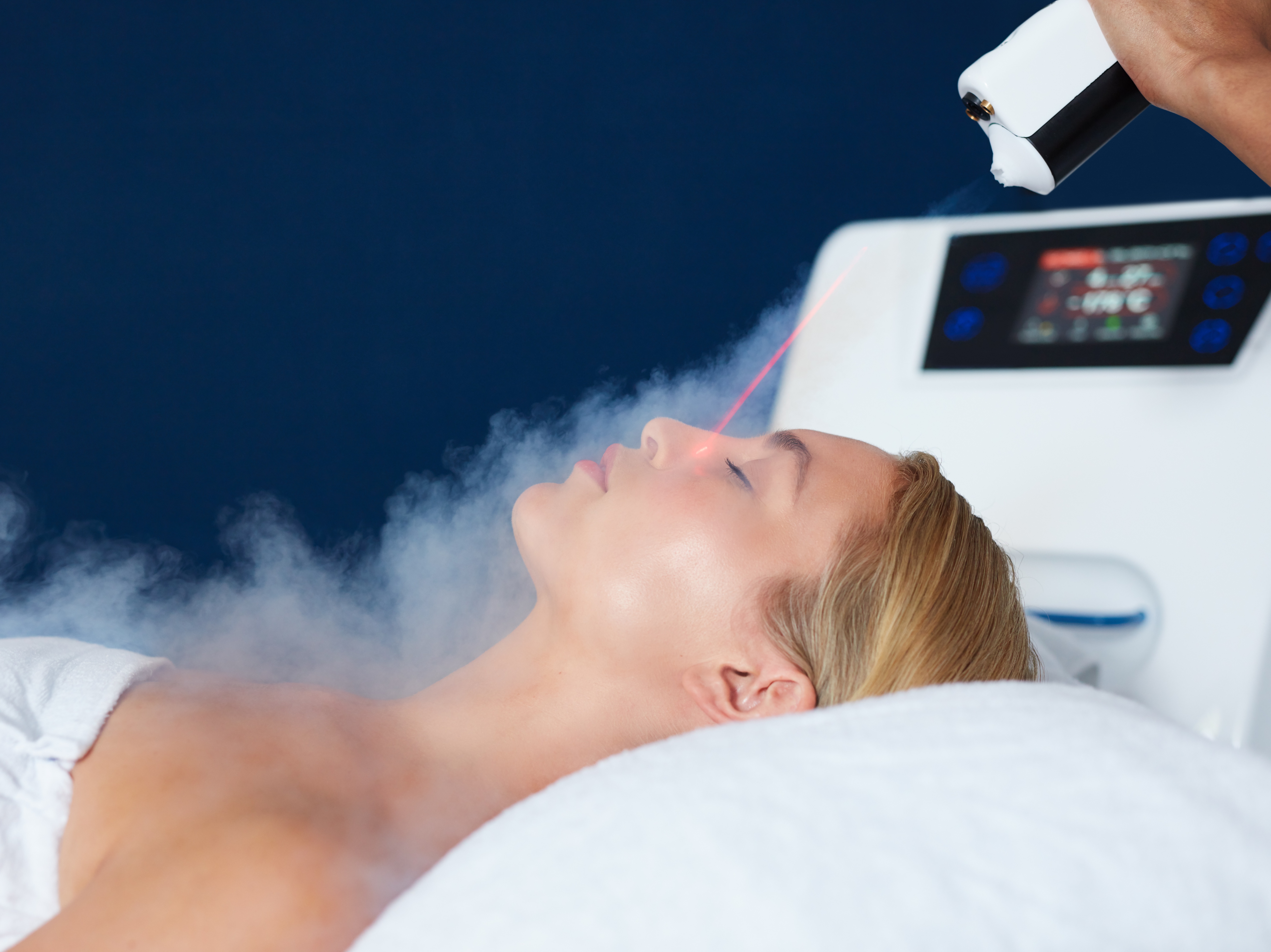
What Should Be Considered After Cryotherapy?
Cryotherapy is a method that allows the treatment of lesions such as warts, moles, and actinic keratosis on the skin by freezing them. This process is done using liquid nitrogen and is generally preferred as a fast and effective treatment option. However, there are some important points to consider for the successful healing process after the procedure. Here is a detailed guide to the cryotherapy aftercare process:
What Kind of Changes Occur in the Skin After Cryotherapy?
After cryotherapy, the following changes can be observed in the treated area:
Redness and Swelling: Immediately after the procedure, there may be some redness and slight swelling on the skin. This is the body's natural healing response.
Blister Formation: A water-filled blister usually forms in the treated area 24-48 hours after the procedure. This indicates that cryotherapy is working effectively.
Dark Scab: The blister may give way to a dark crust within a few days. The crust will fall off on its own when the skin is completely healed.
Cryotherapy Aftercare Tips
1. Keep the Treated Area Clean
Cleaning the area is very important to avoid infection during the healing process.
Cleanse Gently: Gently wash the treated area once or twice a day with warm water and soap.
Use of Antimicrobial Products: You can use antiseptic creams or ointments if your doctor has recommended it.
2. Don't Pick at Blisters and Scabs
Blistering or crusting in the treated area is part of the skin's healing process.
Don't Intervene: Avoid popping the blister or picking at the scab. This can cause infection and scarring.
Wait for the Natural Process: When the crust falls off on its own, new, healthy skin tissue is revealed underneath.
3. Pay Attention to Sun Protection
After cryotherapy, the skin becomes sensitive and more sensitive to the sun.
Use Sunscreen: Protect skin from the sun's harmful UV rays by using a broad-spectrum sunscreen (SPF 30 or higher).
Avoid Direct Sun: Try to keep the treated area out of the sun, especially for the first few days after the procedure.
4. Tips for Managing Pain
You may feel mild discomfort or pain in the treated area.
Cold Compress: If there is swelling or pain, you can apply an ice pack wrapped in a clean towel to the area for a few minutes.
Painkillers: If necessary, you can use painkillers such as paracetamol or ibuprofen as recommended by your doctor.
5. Monitor Your Recovery Process
Recovery from cryotherapy usually takes 1-2 weeks, although this time can vary depending on the size and depth of the lesion treated.
Normal Symptoms: Mild itching, blistering and crusting are expected symptoms.
If you experience severe pain, intense redness, inflammation, or foul-smelling discharge, consult your doctor immediately.
How to Prevent the Risk of Infection After Cryotherapy?
There may be a rare risk of infection after cryotherapy. To prevent this:
Use Sterile Products: If bandaging is necessary, choose sterile materials.
Follow Hygiene Rules: Always wash your hands before touching the treated area with your hands.
Follow Doctor's Instructions: Use antibiotic creams or other medications regularly as prescribed.
When to See a Doctor After Cryotherapy?
It is important to see your doctor if you have any of the following symptoms:
Severe pain or discomfort.
Yellow or green discharge from the treated area.
An unexpected deterioration in the recovery process of the region.
Extreme redness and feeling of warmth after treatment.
Daily Life After Cryotherapy
You can usually continue your daily activities comfortably after cryotherapy. However:
Pool and Sea: Avoid activities such as swimming for the first few days after the procedure.
Make-up and Cosmetics: If the treated area is on your face, avoid wearing make-up until the skin is completely healed.
Avoid tight clothing: Avoid tight or rubbing clothing to allow air to reach the treated area.
Is it normal to have blisters after cryotherapy?
Yes, blistering after cryotherapy is usually normal and is an indication that the treatment is effective. During cryotherapy, the skin lesion is frozen with liquid nitrogen, which causes the cells to become damaged and die. This process triggers the body's natural healing mechanism under the frozen area and a fluid-filled blister (blister) may form.
Causes of Blister Formation After Cryotherapy
The Body's Healing Response: Blistering is the body's natural response to healing the treated area.
Fluid Accumulation Under the Skin: When the frozen cells break down, some fluid accumulates under the skin and this fluid forms a blister.
Protection Against the Risk of Infection: The blister also acts as a barrier that protects the new skin tissue underneath from external factors.
Normal Symptoms Related to Blisters
Formation of a blister containing clear or yellowish fluid.
The size of the blister varies depending on the size of the area being treated.
The blister gives way to a dark crust within a few days.
What to Do When a Blister Forms?
Protect the Bubble:
Avoid popping or pressing on the blister. This can cause infection and delay the healing process.Keep the Area Clean:
Gently clean the treated area daily with warm water and soap. Apply an antiseptic cream if your doctor has recommended it.Use of Bandages:
If the blister is exposed to friction, protect it with a sterile bandage. Change the bandage regularly.Cold Compress for Swelling or Pain:
You can apply an ice pack wrapped in a clean towel for a short time to reduce discomfort around the blister.
When to Worry
In some cases, blisters may indicate a problem beyond the norm. If you experience any of the following symptoms, see your dermatologist:
An accumulation of bloody fluid inside the blister.
Severe pain, redness or swelling.
Foul-smelling, yellow or green discharge from the blister (may be a sign of infection).
The skin in the treated area gets worse instead of getting better.
Suggestions to Reduce Blister Formation
Follow your doctor's aftercare instructions carefully.
Keep the treated area clean and dry.
Avoid direct sun exposure and use a broad-spectrum sunscreen.
Careful Care After Cryotherapy Is Important
While cryotherapy is an effective and minimally invasive treatment, aftercare is critical to ensuring smooth recovery. It’s important to keep the treated area clean and protected, stay out of the sun, and follow your doctor’s instructions. Don’t hesitate to contact your dermatologist if you have any concerns.
This article is designed to provide comprehensive information about the recovery process after cryotherapy. Follow professional advice and take good care of your skin for a healthy recovery!

Editör
View All Articles