

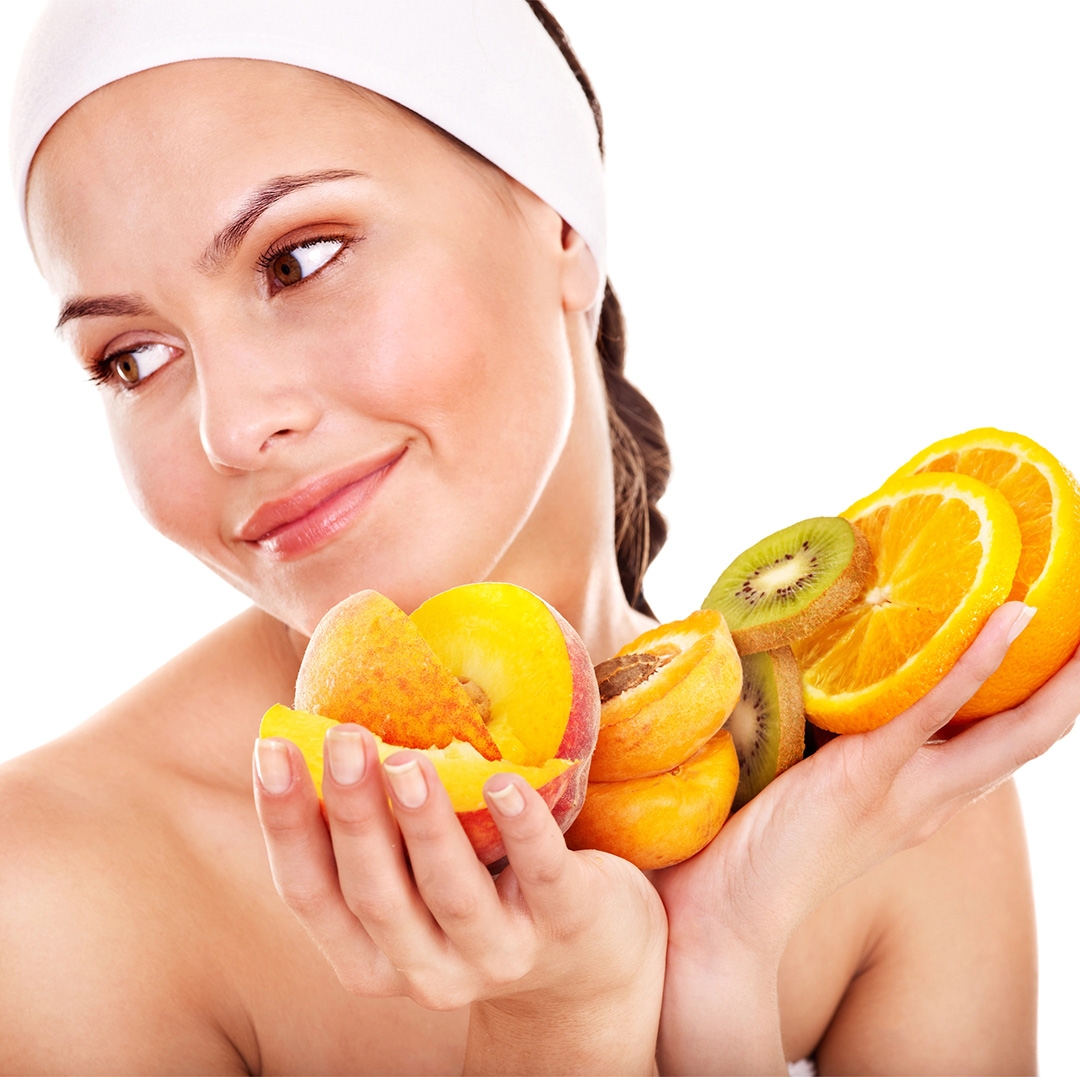
The role of nutrition in skin health has become one of the most discussed topics in modern dermatology. A radiant, hydrated, and youthful-looking skin is not only the result of topical skincare products—it’s a reflection of what happens inside your body. Since the skin is the largest organ, it depends directly on nutrients obtained through diet.
So, which foods make your skin glow, help prevent acne, and repair the skin barrier from within?
The Science Behind Nutrition and Skin Health
Skin cells constantly renew themselves and require vitamins, minerals, fatty acids, and antioxidants for this process. A poor or unbalanced diet can slow down cell turnover, leading to acne, dryness, dullness, and premature aging.
Topical creams and serums can help, but their effects are temporary unless supported by a nutrient-rich diet. In short, dermatologists often say, “Skincare starts in the kitchen.”
Foods That Naturally Brighten and Revitalize the Skin
1. Vitamin C–Rich Foods (Oranges, Kiwis, Strawberries, Broccoli)
Vitamin C is one of the most powerful antioxidants and a key factor in collagen production. Regular intake:
Boosts skin elasticity
Fades pigmentation and uneven tone
Protects against free radical damage caused by UV exposure
Adding fresh fruits and vegetables rich in vitamin C gives the skin a naturally luminous glow from within.
2. Vitamin E Sources (Almonds, Hazelnuts, Avocados, Olive Oil)
Vitamin E strengthens the lipid barrier and prevents moisture loss. It also helps reduce sun damage and slows down visible aging. When combined with vitamin C, its antioxidant power is amplified.
A few raw almonds at breakfast or a drizzle of olive oil over salads can nourish the skin long-term.
3. Omega-3 Fatty Acids (Salmon, Walnuts, Flaxseeds, Chia Seeds)
Omega-3 fatty acids reduce inflammation and balance sebum production. For those with acne-prone skin, omega-3 sources can help decrease acne flare-ups and promote smoother skin.
Two servings of fatty fish per week or a handful of walnuts daily can support a strong, hydrated skin barrier.
4. Vitamin A (Carrots, Sweet Potatoes, Pumpkin, Egg Yolks)
Vitamin A is a natural precursor to retinoids, which are responsible for cell renewal. It helps prevent clogged pores and keeps skin texture smooth and even.
However, high-dose vitamin A supplements should only be taken under medical supervision, as excessive intake may cause toxicity.
5. Zinc (Pumpkin Seeds, Oats, Lentils, Lean Red Meat)
Zinc plays a key role in wound healing and sebum regulation. Low zinc levels can lead to more frequent breakouts and slower skin recovery.
For individuals following a plant-based diet, ensuring sufficient zinc intake is particularly important for acne control.
6. Hydrating and Probiotic Foods (Cucumber, Watermelon, Lettuce, Yogurt)
Skin glow also depends on the body’s hydration balance. Water-rich foods and probiotic yogurt improve both gut and skin health.
Drinking 1.5–2 liters of water per day supports the skin’s natural moisture balance far better than any topical cream alone.
Nutrition Tips for Acne-Prone Skin
Acne isn’t only caused by hormones or skincare habits—diet plays a major role.
Refined sugars, white flour, and processed foods increase insulin levels and inflammation, worsening acne.
Dairy products may trigger acne in some people; eliminating them for a few weeks can help identify sensitivity.
Anti-inflammatory foods rich in omega-3, zinc, and fiber promote clear, calm skin.
Dermatologists often recommend an anti-inflammatory diet consisting of vegetables, fruits, whole grains, fish, olive oil, and nuts for clearer skin.
Brightening Foods That Even Out Skin Tone
The term “skin-whitening foods” often refers to foods that improve clarity and reduce hyperpigmentation rather than changing skin color.
Vitamin C (kiwi, orange, rosehip) balances melanin production.
Lycopene (tomato) helps fade sun-induced spots.
Polyphenols (green tea, blueberries) enhance brightness and protect from oxidative stress.
Beta-carotene (carrots) gives the skin a healthy, luminous glow.
These foods help the skin reflect light more evenly—creating a radiant, healthy appearance, not a lighter complexion.
What to Eat for Firm and Plump Skin
Skin firmness depends on the body’s ability to produce collagen and hyaluronic acid.
Protein sources (chicken, eggs, fish) supply amino acids essential for collagen synthesis.
Magnesium-rich foods (almonds, spinach, bananas) support hyaluronic acid production.
Vitamin C and zinc further strengthen connective tissues and elasticity.
Bone broth is also a natural collagen source, containing glycine and proline that promote skin repair and elasticity.
Frequently Asked Questions
1. What foods make your skin glow?
Vitamin C, vitamin E, omega-3 fatty acids, and antioxidant-rich fruits and vegetables help the skin appear naturally luminous.
2. What should acne-prone skin eat?
Avoid sugary and processed foods. Choose anti-inflammatory options such as fish, walnuts, whole grains, and zinc-rich meals.
3. Which vitamins are essential for healthy skin?
Vitamins A, C, E, D, and minerals like zinc and biotin are vital for cell renewal and a strong skin barrier.
4. Are there foods that whiten skin naturally?
No food changes skin color, but vitamin C, lycopene, and polyphenol-rich foods can brighten and even out skin tone.
5. What foods help achieve plump, youthful skin?
Protein-rich foods, vitamin C, zinc, and magnesium support collagen production and skin elasticity for a fuller, hydrated look.

Editör
View All Articles