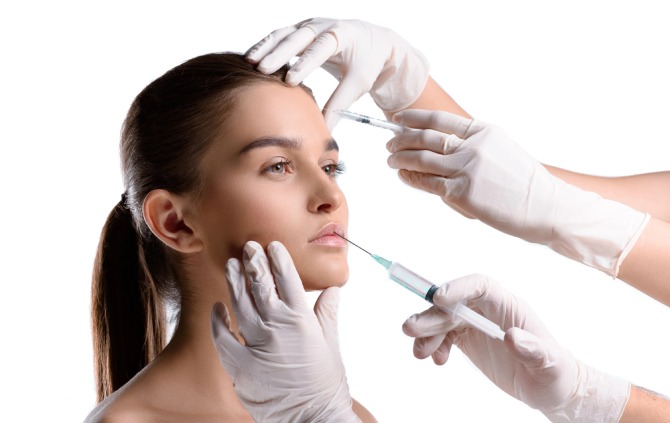

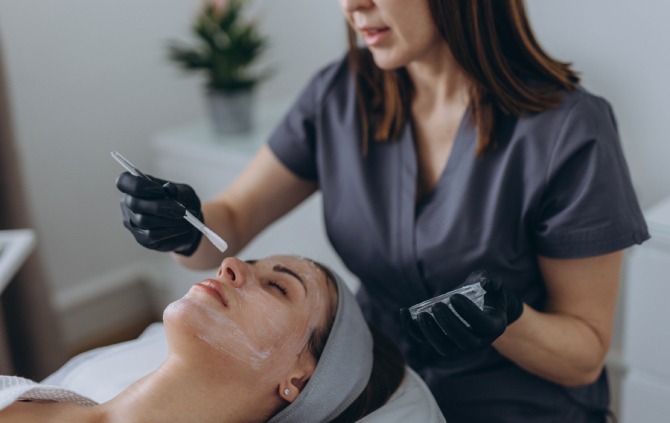
Matters such as skin becoming dull over time, blemishes, fine lines becoming more visible or pores becoming enlarged are among the issues that most of us complain about. At this point, chemical peeling, which is a professional care method that is both effective and revitalizes the skin, comes into play.
Chemical peeling is a process that involves applying solutions with special ingredients to the skin, allowing the upper layer of the skin to be peeled in a controlled manner. In this way, dead skin cells are removed, and the emergence of new and fresh cells is supported. The skin becomes brighter, more even-toned and smoother.
The type and concentration of acids used in this process are determined by the person's skin type and the skin problem to be solved. It can be applied at different levels: superficial, medium and deep. The most commonly used peeling agents include glycolic acid, salicylic acid, mandelic acid and TCA (trichloroacetic acid).
The areas where chemical peeling is most preferred are equalizing skin tone, reducing acne and acne scars, tightening pores, lightening fine wrinkles and eliminating sun spots. The effectiveness of care products increases, especially with the cleansing of dead cells accumulated on the skin, because these products can now easily reach the deeper layers of the skin.
After peeling, the skin enters a process of self-renewal. During this process, a slight peeling, redness or a feeling of tightness may be experienced. However, these temporary symptoms indicate that the procedure was done correctly and the skin is responding. The frequency and intensity of application should be determined by the skin specialist on a case-by-case basis.
Chemical peeling appeals to a wide range of users. It is especially suitable for people with skin tone inequality, acne spots or superficial wrinkles. However, it should be noted that, like every procedure, this application may not be suitable for some people.
Peeling may not be recommended for those with active acne, open wounds, very sensitive skin, or individuals with a weakened skin barrier. In addition, some types of peeling should not be preferred during pregnancy. Therefore, an evaluation by a dermatologist is essential before application.
Season selection is also an important criterion. Chemical peeling applications are generally preferred in the fall and winter months. Since the duration of sun exposure is reduced during these periods, the negative effects of sensitivity that may occur on the skin after the procedure are minimized. A high protection factor sunscreen should definitely be used after the application. Otherwise, the risk of blemishes on the skin may increase.
Peeling alone may not be enough. Depending on your skin type and needs, a care routine should be created after peeling, supported by moisturizers, anti-blemish serums or anti-aging ingredients. In this way, the skin's healing process accelerates and the results obtained become more permanent.
Chemical peeling provides a visible freshness to the skin in a short time. However, we can think of this process not only for aesthetic purposes but also as a care that supports skin health. When applied in the right hands, with the right ingredients and in accordance with the needs of the skin, chemical peeling offers your skin a chance to “restart”.
If you are experiencing loss of vitality, spots or pore problems on your skin, you can consult a dermatologist and create a special peeling plan for you. Remember, professional touches are necessary from time to time as well as regular care for healthy skin.

Editör
View All Articles