Scalp and beard skin problems in men are not only cosmetic concerns but also issues that can affect self-confidence and emotional well-being. Conditions such as itching, dandruff, hair loss, burning sensation, and beard alopecia (known as “sakal kıran” in Turkish) are among the most common reasons men seek dermatologic care.
While some cases are caused by simple dryness or irritation, others may result from immune system disorders, hormonal imbalances, or chronic inflammation.
So, why do scalp and beard skin problems occur in men, and what are the most effective treatments and permanent solutions?
How Are the Scalp and Beard Skin Different?
Although the scalp and beard areas share a similar follicular structure, they behave differently under hormonal and microbial influences.
Beard follicles are highly sensitive to dihydrotestosterone (DHT), the active form of testosterone.
Scalp follicles, on the other hand, can become hypersensitive to DHT in genetically predisposed men, leading to thinning or hair loss.
This explains why a man may experience androgenetic alopecia (male pattern baldness) on the scalp while simultaneously developing beard alopecia (patchy hair loss) in the beard area.
1. Itchy and Burning Scalp
“Why is my scalp so itchy?” is one of the most frequent questions heard in dermatology clinics. The causes vary widely:
Seborrheic Dermatitis (Oily Scalp Eczema)
Common in men, this condition causes redness, itching, dandruff, and an oily appearance.
Stress, seasonal changes, genetics, and improper shampoo use can make symptoms worse.
Fungal Infection (Tinea Capitis)
If itching and burning are accompanied by hair loss, a fungal infection should be suspected. Transmission often occurs through shared combs or barber tools.
Contact Dermatitis (Allergic Reaction)
New hair products—shampoo, gel, spray, or dye—can trigger irritation, burning, and itching of the scalp.
Night Scalp Itching
Seborrheic dermatitis and fungal infections tend to worsen at night due to heat and sweating. Psychological stress can also intensify the sensation of itch.
Dermatologist’s Advice:
Use pH-balanced, fragrance-free, sulfate-free shampoos and avoid hot water. In severe cases, antifungal or mild corticosteroid lotions prescribed by a dermatologist are effective.
2. Itchy Scalp with Hair Loss
“My scalp itches and my hair is falling out—what should I do?”
When itching and hair shedding occur together, inflammation is often involved.
Seborrheic dermatitis may cause both itching and shedding.
In androgenetic alopecia, DHT sensitivity around the follicles leads to microinflammation and gradual hair loss.
Treatment may include topical minoxidil, anti-inflammatory lotions, or low-dose antiandrogen medications—always under dermatologist supervision.
3. Beard Alopecia (Alopecia Barbae)
“What causes beard alopecia (sakal kıran)?”
This condition is autoimmune—the immune system mistakenly attacks the hair follicles. The result is well-defined, round bald patches in the beard area.
Symptoms
Sudden, circular bald spots in the beard
Slight redness or shiny skin in affected areas
Mild itching or burning sensation in some cases
Possible Causes
- Genetic predisposition
- High stress levels
- Overactive immune response
- Vitamin B12 or iron deficiency
Is There a Permanent Cure for Beard Alopecia?
The term “permanent cure” depends on the underlying cause and how early treatment begins.
Dermatologist-approved treatments include:
Topical or intralesional corticosteroids
Minoxidil solutions to stimulate circulation
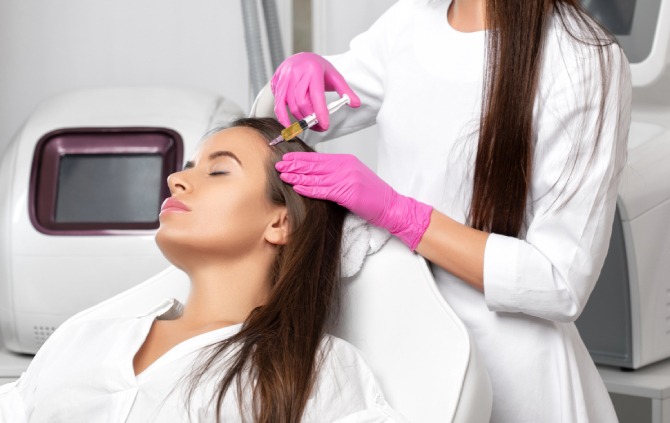
PRP (Platelet-Rich Plasma) therapy
Immunomodulating creams such as tacrolimus
Nutritional supplements (biotin, zinc, vitamin B12) may also support recovery.
Garlic-based remedies, popular in traditional use, can irritate the skin and cause burns if overused. While garlic may create temporary stimulation, it is not a scientifically proven permanent solution.
4. Itchy and Flaky Beard Skin
Beard skin is prone to buildup of oil, sweat, and dead cells—especially if not cleaned properly. This can lead to:
Persistent itching
Flaky, dandruff-like scales
Redness and odor
This condition, often called “beard dandruff”, is common and treatable.
Recommended care includes:
Daily cleansing with lukewarm water
Mild, non-stripping facial cleansers
Moisturizing beard oils or balms 1–2 times per week
5. Tips for Healthy Scalp and Beard Skin
Choose the right products: Avoid alcohol, perfume, and SLS-based formulas that irritate the skin.
Manage stress: Stress can trigger seborrheic dermatitis and beard alopecia.
Eat a balanced diet: Nutrients like biotin, zinc, iron, B12, and vitamin D support follicle health.
Ensure barber hygiene: Shared razors or trimmers can spread fungi and bacteria.
See a dermatologist regularly: Chronic itching or patchy hair loss lasting over 3 months requires professional evaluation.
Frequently Asked Questions
1. What causes beard alopecia?
Beard alopecia occurs when the immune system mistakenly attacks hair follicles. Stress, genetics, and vitamin deficiencies may trigger it.
2. Does garlic help beard alopecia?
Garlic may temporarily stimulate blood flow but does not provide permanent results. Overuse can cause burns—medical treatment is safer and more effective.
3. Why does my scalp itch and burn?
Seborrheic dermatitis, fungal infections, or allergic reactions to hair products are common causes. Dermatological assessment is essential for proper diagnosis.
4. Why does scalp itching worsen at night?
Heat, sweat, and increased stress hormones can heighten sensitivity and itching at night. Keeping the scalp clean and cool helps.
5. Is there a permanent treatment for beard alopecia?
Corticosteroid injections, topical minoxidil, and PRP therapy can be effective, but results vary by individual and disease duration.

Editör
View All Articles