

The question “Is it possible to strengthen the subcutaneous fat layer?” is one of the most frequently asked—and often misunderstood—topics in aesthetic dermatology. Fat tissue not only provides volume but also supports the skin barrier, insulates body temperature, and contributes to a youthful appearance. Over time, the loss or thinning of this layer leads to sharper facial contours, deeper wrinkles, and a more tired look.
What Is the Subcutaneous Fat Layer?
The subcutaneous fat layer, also known as subcutaneous tissue, lies beneath the dermis and plays a vital role in both skin health and aesthetics:
Softens facial contours and maintains fullness.
Protects the body from physical trauma.
Helps regulate body temperature.
Supports skin elasticity and hydration.
Why does subcutaneous fat decrease with age? The main reason is that fat cells shrink, relocate, or disappear with aging, while connective tissue weakens.
Causes of Fat Loss
Aging: Reduced collagen, elastin, and fat cell density.
Genetics: Some individuals naturally have less facial fat even at younger ages.
Rapid weight loss: Crash diets can thin fat tissue.
Hormonal changes: Post-menopause fat reduction is common.
Environmental factors: Sun damage, smoking, and stress accelerate fat loss.
Does gaining weight restore lost facial fat? No. Weight gain typically accumulates in other areas of the body. Fat distribution is largely determined by genetics.
How Can the Subcutaneous Fat Layer Be Supported?
Healthy Lifestyle
A diet rich in protein, omega-3 fatty acids, and antioxidants supports fat tissue at a cellular level. Adequate sleep and regular exercise also promote skin regeneration.
Dermocosmetic Products
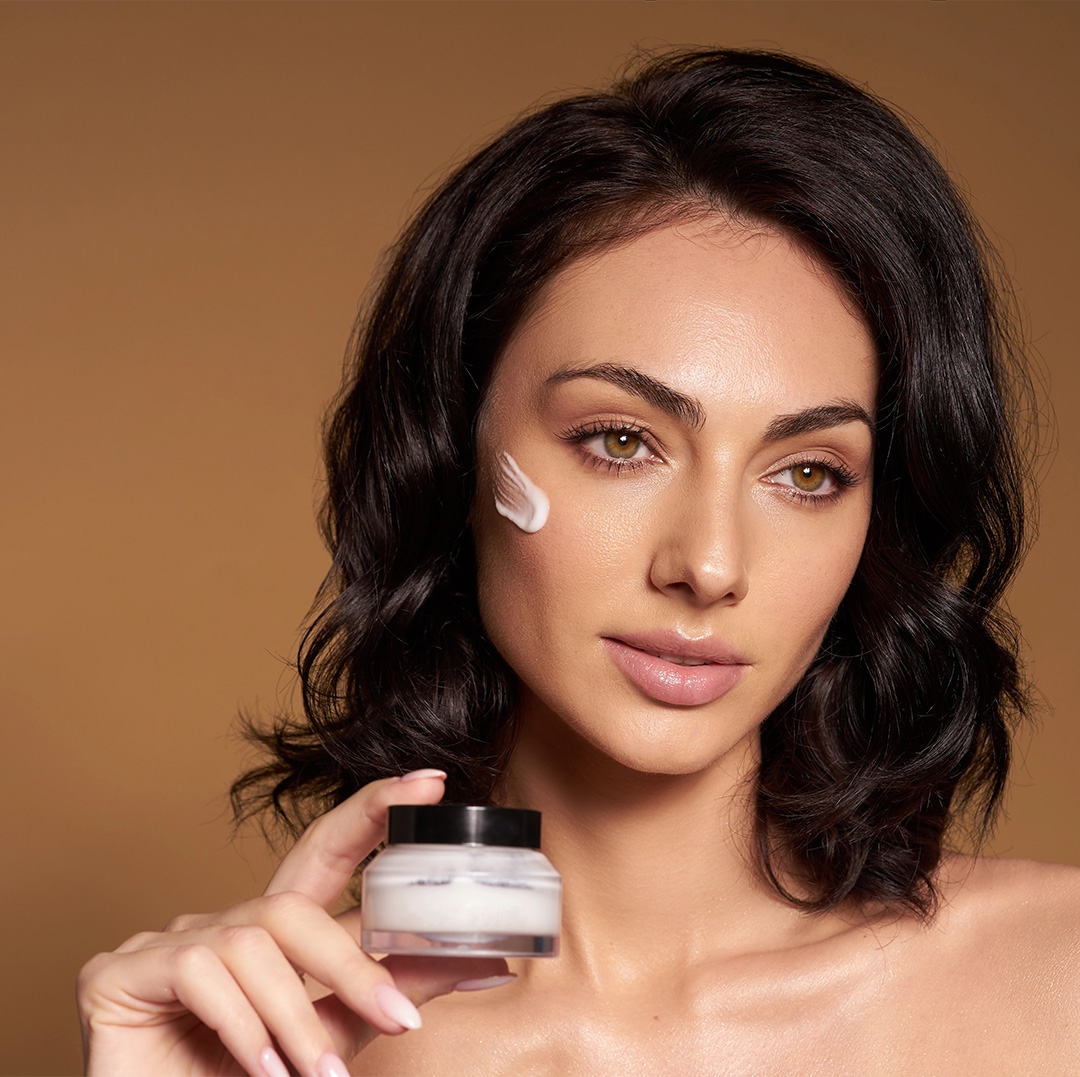
Topical products that stimulate collagen and elastin production (such as retinol, peptides, and niacinamide) do not directly increase fat cells but help support underlying structures and minimize the visible effects of fat loss. Can creams strengthen the subcutaneous fat layer? No. Topical creams cannot multiply fat cells, but they can reinforce the skin barrier and reduce the appearance of volume loss.
Medical Aesthetic Treatments
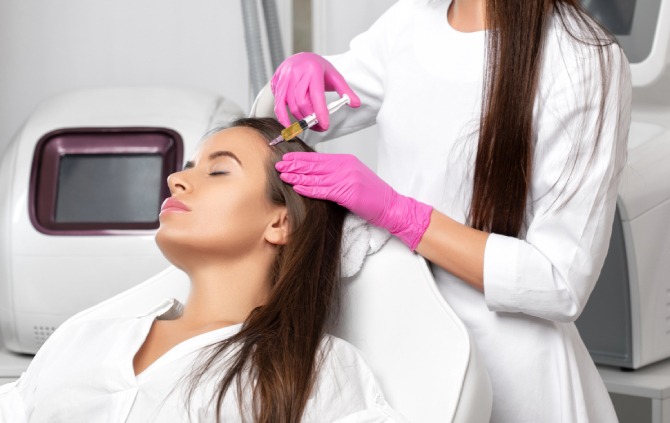
Dermal Fillers: Hyaluronic acid or biocompatible fillers restore lost volume temporarily.
Fat Grafting (Fat Transfer): The patient’s own fat is injected into the face to replace volume loss.
PRP (Platelet-Rich Plasma): Stimulates cellular repair and supports tissue vitality.
Stem Cell Therapy: Harvested from fat tissue, stem cells provide longer-lasting rejuvenation.
What is the difference between fillers and fat grafting? Fillers are ready-made products with temporary effects, while fat grafting uses the patient’s own tissue, offering more natural and longer-lasting results.
Advanced Technology Treatments
Radiofrequency and Laser: Stimulate collagen to tighten underlying structures.
HIFU (High-Intensity Focused Ultrasound): Works on deeper layers to reduce the appearance of fat loss and promote tightening.
Problems Caused by Fat Loss
Hollowed and tired facial appearance
Deepening nasolabial folds
Under-eye hollows
Reduced skin elasticity
Premature signs of aging
Does strengthening fat tissue also reduce wrinkles? Yes. Restoring volume provides structural support, making wrinkles appear less pronounced.
Is a Permanent Solution Possible?
There is no topical or medical product that can permanently increase fat tissue. Fillers, fat grafting, and stem cell therapies can achieve long-lasting results, but not lifelong permanence. A healthy lifestyle combined with regular dermatological treatments is the most reliable approach.Is fat grafting permanent? Not completely. Some of the injected fat is reabsorbed by the body, but with proper technique, the remaining fat cells can survive for years.Strengthening the subcutaneous fat layer entirely through natural means is not possible. However, medical aesthetic procedures and healthy lifestyle habits can significantly improve volume and skin structure. Fillers, fat grafting, and stem cell therapies remain the most effective options. Since every individual’s needs differ, personalized evaluation by a dermatologist ensures the safest and most effective treatment plan.
Frequently Asked Questions
Can the subcutaneous fat layer increase naturally?
No. It can only be supported with healthy habits but cannot multiply.
Can creams strengthen fat tissue?
No. They don’t increase fat cells but help support overall skin structure.
Is fat grafting permanent?
Partially. Some fat is absorbed, but surviving cells may last for years.
Which is better: fillers or fat grafting?
Fillers are quicker and temporary, while fat grafting is more natural and longer-lasting.
Does fat loss increase wrinkles?
Yes. Volume loss leads to sagging and deeper wrinkle formation.

Editör
View All Articles