

When should sudden changes in the skin be taken seriously? This question is critically important in dermatology, particularly for early diagnosis. The skin reflects the condition of internal organs, the immune system, hormonal balance, and environmental exposures. For this reason, changes that develop rapidly or differ from a person’s usual skin pattern should not be dismissed as purely cosmetic. In some cases, they may be the earliest signs of an underlying medical condition.
In this article, I will discuss which sudden skin changes may be harmless, which findings require prompt dermatological evaluation, and the warning signs that should never be ignored—through the perspective of a dermatologist.
What Is Meant by “Sudden Skin Changes”?
Sudden skin changes refer to findings that appear within days or weeks, are new, or show a noticeable change compared to a pre-existing condition. These may include:
- Newly developed rashes
- Changes in skin color
- Sudden onset of itching or burning
- Rapidly growing lesions
- Thickening, peeling, or increased sensitivity of the skin
The key factors are the speed of onset, pattern of change, and associated symptoms.
Common Causes of Sudden Skin Changes
Not every sudden skin change indicates a serious disease. Many are related to common, everyday triggers:
1. Allergic Reactions
New skincare products, detergents, medications, or certain foods can cause rapid redness, swelling, and itching.
2. Infections
Viral, bacterial, or fungal infections may present with sudden rashes, redness, and tenderness.
3. Hormonal Changes
Pregnancy, the postpartum period, thyroid disorders, and hormonal therapies can lead to rapid changes in skin appearance.
4. Stress and Psychological Factors
Severe stress may trigger hives, flares of eczema, or sudden scalp conditions in susceptible individuals.
These causes are often temporary, but some skin changes warrant closer attention.
When Should Skin Changes Be Taken Seriously?
The following situations require evaluation by a dermatologist:
1. Rapidly Growing or Changing Lesions
Skin lesions or moles that grow quickly, become raised, develop irregular borders, or change color should not be ignored.
2. Sudden Changes in Skin Color
Unexplained bruising, yellowing, darkening, or unusual paleness of the skin may signal circulatory, liver-related, or systemic conditions.
3. Persistent Itching
Itching that lasts for weeks without a visible rash may be associated with dermatologic or internal diseases and should be evaluated.
4. Pain, Burning, or Sensitivity
Sudden pain or burning sensations in the skin may be related to infections, nerve involvement, or inflammatory disorders.
5. Unexplained Wounds or Crusting
Spontaneously appearing wounds, sores that do not heal, or areas that repeatedly crust—especially in older adults—should always be taken seriously.
Sudden Changes in Moles
Moles deserve special attention when discussing sudden skin changes. If a previously stable mole shows:
- Rapid enlargement
- Color variation
- Bleeding or crusting
- Itching or tenderness
prompt dermatological evaluation is essential. These changes do not always indicate malignancy, but early assessment is crucial.
Sudden Skin Changes in Infants and Children
Skin findings can progress more rapidly in children. Rashes accompanied by fever, rapidly spreading redness, or unexplained bruising should always be evaluated by a physician. Certain childhood infections and allergic reactions can cause dramatic and sudden skin changes.
When Is It Wrong to “Wait and See”?
One of the most common mistakes patients make is waiting too long, assuming the skin issue will resolve on its own. It is inappropriate to wait when:
Symptoms last longer than 2–3 weeks
Changes continue to worsen
Fatigue, weight loss, or fever accompany skin findings
In such cases, seeking dermatological care without delay is the correct approach.
The Importance of Early Evaluation
Many serious skin conditions begin with mild, seemingly insignificant changes. Early dermatological examination can prevent unnecessary anxiety, ensure accurate diagnosis, and allow timely intervention when needed.
The skin is the body’s visible mirror. The signals it provides should always be taken seriously.
Frequently Asked Questions
1. Is sudden skin redness always an allergic reaction?
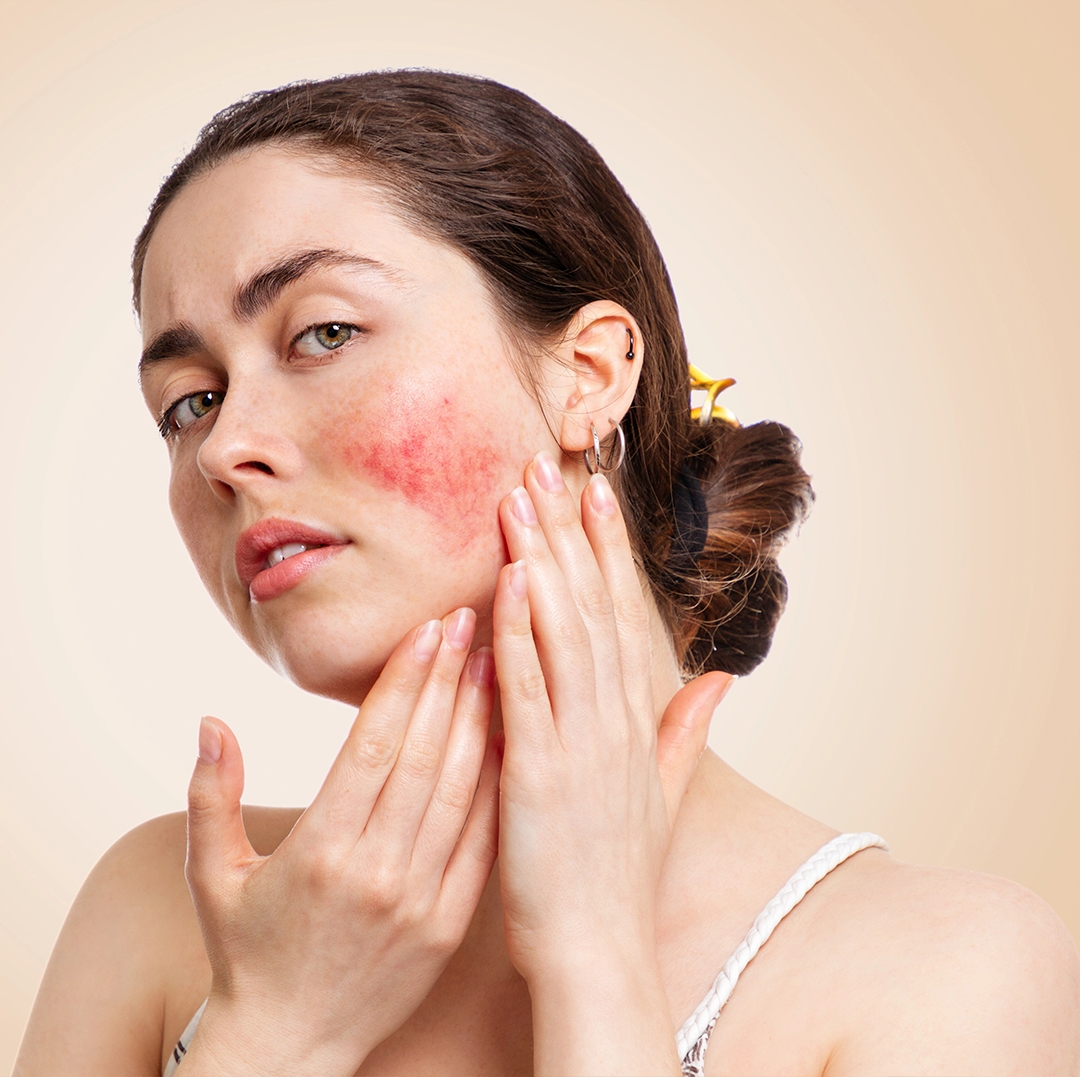
No. Infections, rosacea, and certain systemic diseases can also cause sudden redness.
2. Can serious skin conditions occur without itching?
Yes. Some important dermatologic conditions progress without itching.
3. Is every newly appearing mole dangerous?
No. However, new moles that appear in adulthood and change rapidly should be evaluated.
4. When are bruises on the skin a concern?
Bruising that occurs without trauma or recurs frequently should be taken seriously.
5. Are rashes in children always harmless?
No. If accompanied by fever or poor general condition, medical evaluation is necessary.
6. When should I see a dermatologist?
For any sudden, rapidly progressing, or persistent skin change that does not improve within a few weeks, consulting a dermatologist is the safest approach.

Editör
View All Articles