
Many aesthetic and dermatological concerns on the skin’s surface can be supported with controlled use of light. For this reason, light-based technologies are frequently preferred in modern dermatology. One of these technologies, IPL (Intense Pulsed Light), uses concentrated pulses of light in specific wavelength ranges and offers versatile effects on the skin.
IPL is not a laser device; instead, it uses a broad spectrum of light. This allows it to target multiple structures at once—pigment, vascular visibility, redness tendency, and tone irregularities—providing a supportive approach in a variety of dermatological conditions. Its effects may vary from person to person, and its use must be planned under professional evaluation.
How Does IPL Work?
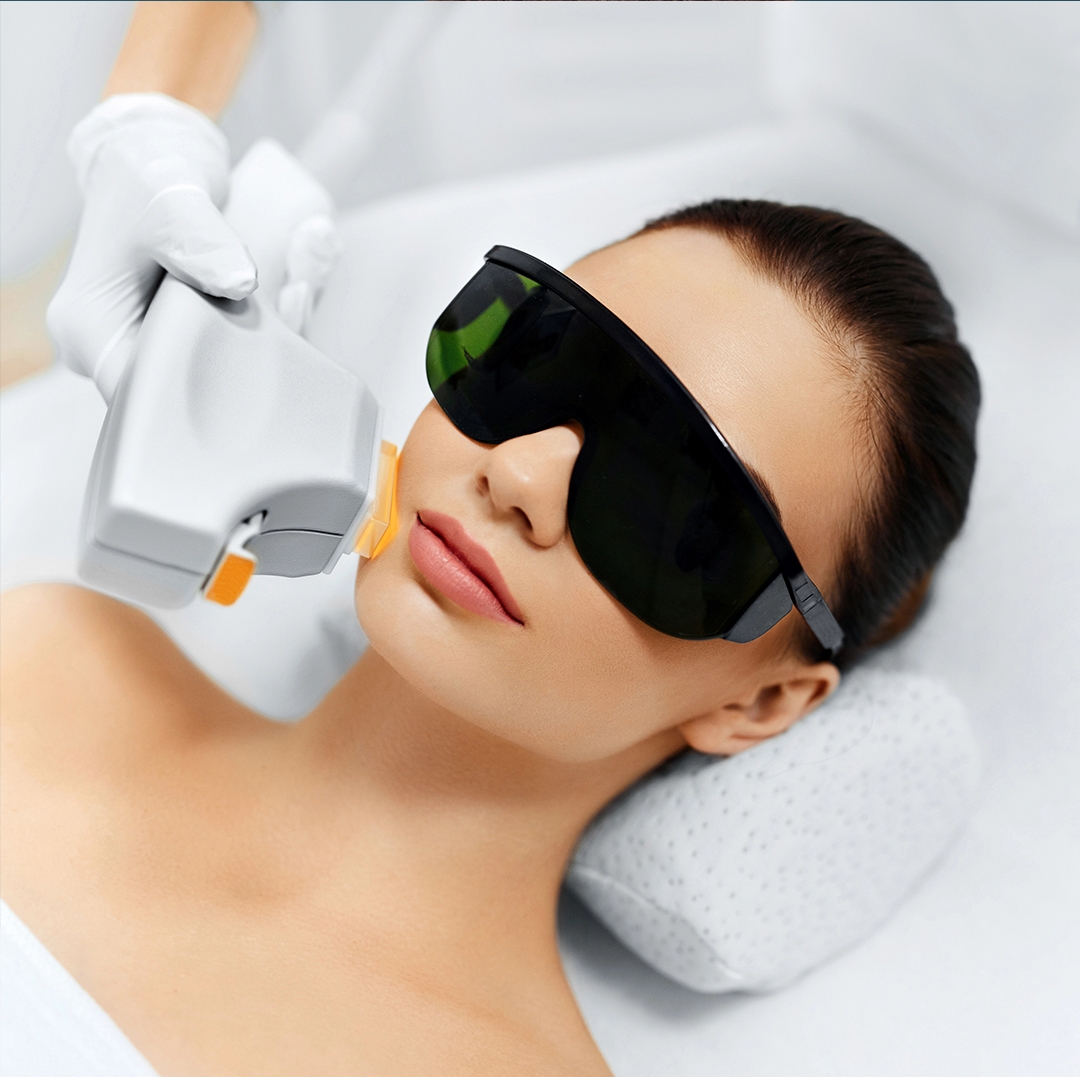
IPL devices deliver short, controlled pulses of light to the skin. These pulses target specific structures:
Pigment cells
Superficial blood vessels
Areas with tone irregularity
Sun-induced pigmentation
Regions with redness tendency
The targeted structure absorbs the light, creating a controlled increase in heat. Over time, this may help improve the appearance of the related area. The mechanism is thermal, and IPL should only be performed under the supervision of a qualified professional.
When Can IPL Be Used?
Because IPL is a versatile technology, it may be used as a supportive option in several dermatological concerns. However, its usage does not constitute a treatment guarantee; it serves as an appearance-improving support in selected conditions.
1. Sunspots and Pigmentation Irregularities
Sun exposure can lead to pigment accumulation, causing uneven skin tone. IPL can target pigment structures, helping reduce this appearance over time.
2. Visible Capillaries and Redness
Redness, dilated capillaries, and color changes that worsen with heat—especially on the face—may be supported with IPL. In rosacea-prone individuals, it may occasionally be used as a complementary option, depending on professional assessment.
3. General Tone Balancing
For those seeking a brighter and more even-toned complexion, IPL may support this appearance by influencing the skin surface through light-based effects.
4. Supporting the Appearance of Fine Lines
By creating a heat-related stimulus, IPL may support collagen activity, contributing to a firmer and more radiant look. This effect depends on personal factors and consistency.
5. Supportive Use in Acne-Prone Skin
Some IPL filters target bacteria associated with acne. Therefore, in acne-prone skin, IPL may be used selectively as supportive care under dermatological guidance.
Is IPL Suitable for Every Skin Type?
IPL does not produce the same effect on all skin types. In darker skin tones, pigment structures absorb more light, so treatment must be planned cautiously. In lighter skin types, IPL may interact with pigment and vascular structures more predictably. For this reason, personalized assessment is essential.
Situations such as pregnancy, active infections, certain medications, or open wounds may be reasons to postpone IPL. All decisions should be made by a dermatology specialist.
How Is the IPL Treatment Process Planned?
IPL is typically performed in a series of sessions. The number of sessions depends on the individual’s skin type, needs, and treatment area. After the procedure, mild redness or warmth may occur—these are usually temporary.
Sun protection is a crucial part of the IPL process. Because temporary photosensitivity may occur, adherence to photoprotection recommendations is important.
Frequently Asked Questions
1. Is IPL a laser?
No. IPL uses broad-spectrum light, whereas lasers operate at a single wavelength.
2. Can IPL help with sunspots?
It may reduce the appearance of pigment over time, depending on individual factors.
3. Is IPL useful for redness?
It may support visible vessels and redness appearance in appropriate cases.
4. How many sessions are needed?
The number varies according to personal factors. A dermatologist determines the proper protocol.
5. Does IPL cause sensitivity afterward?
Mild temporary redness or warmth may occur. Sun protection is essential.
This content is for informational purposes only; please consult a qualified healthcare professional for diagnosis and treatment.

Editör
View All Articles