
Skin health is important not only for aesthetics but also for self-confidence and psychological well-being. Uneven skin tone is one of the most common concerns. Sometimes it appears as mild variations, while in other cases it manifests as dark brown spots or lighter patches that disrupt the skin’s uniform look. With the increasing number of people experiencing skin tone irregularities today, understanding the condition and developing effective solutions has become essential.
What Is Skin Tone Unevenness?
Uneven skin tone refers to areas of the skin appearing darker or lighter compared to the surrounding tissue. Medically, this is classified as either hyperpigmentation (dark spots) or hypopigmentation (light patches). In hyperpigmentation, there is excessive production of melanin, while in hypopigmentation, melanin decreases or is absent. Both conditions create imbalance in skin appearance.
Main Causes of Uneven Skin Tone
Unevenness can arise from various factors, often as a result of several combined triggers:
Sun Damage: One of the most common causes. UV rays increase melanin production and lead to irregular distribution, resulting in “sun spots” or “age spots.”
Hormonal Changes: In women, brown patches known as melasma may develop during pregnancy or with the use of birth control pills.
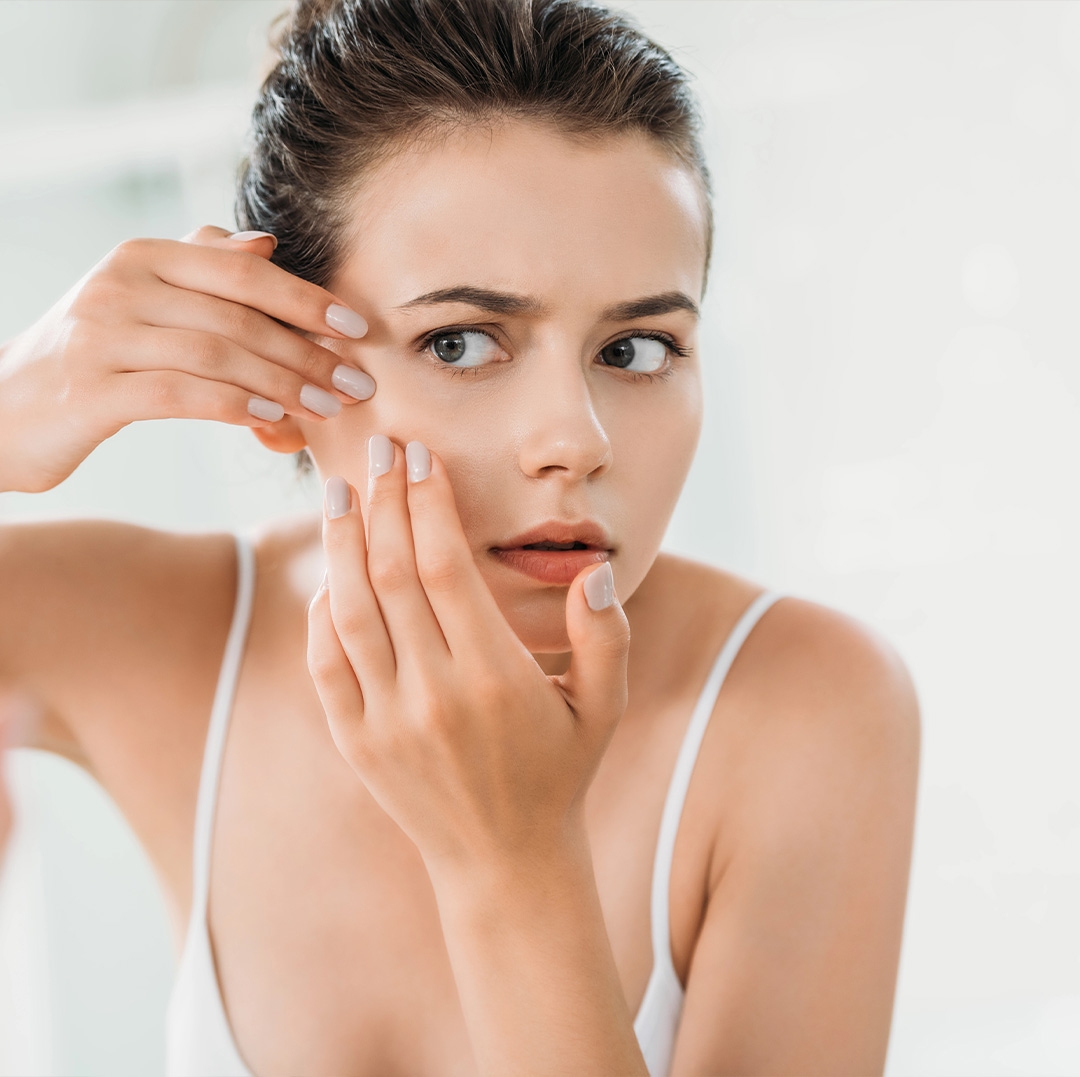
Post-Inflammatory Marks: Dark or reddish spots left after acne, eczema, or wounds are frequent causes.
Aging: Over time, skin renewal slows, collagen decreases, and pigment cells become irregular.
Genetic Predisposition: Those with a family history of pigmentation problems are at higher risk.
Environmental Factors: Pollution, smoking, poor diet, and stress can all trigger uneven pigmentation.
Everyday Habits to Prevent Uneven Skin Tone
The first step in managing skin tone irregularities is adopting simple but effective daily habits:
Use Sunscreen: Apply broad-spectrum products with at least SPF 30 regularly. Sun protection should be consistent not only in summer but also on cloudy winter days.
Cleansing and Moisturizing: Choose gentle products that protect the skin barrier. Regular moisturization strengthens the skin’s defense.
Antioxidant Support: Serums containing vitamin C, vitamin E, niacinamide, or ferulic acid reduce free radical damage and promote a brighter complexion.
Healthy Diet and Hydration: Internal factors matter as much as external ones. Adequate water intake and antioxidant-rich foods support skin renewal.
Sleep and Stress Management: Poor sleep and chronic stress increase inflammation, making uneven tone more noticeable.
Dermatological Treatment Methods
When personal care is insufficient, professional treatments planned by a dermatologist are recommended. Depending on skin type, depth of pigmentation, and patient expectations, options include:
Chemical Peels: Using AHA, BHA, or TCA to exfoliate the top layer and reveal more even skin.
Laser Treatments: Q-Switch Nd:YAG or fractional lasers target pigment cells, reducing dark spots over time.
IPL (Intense Pulsed Light): Effective especially for sun-induced spots. Light energy targets pigment and lightens discoloration.
Microdermabrasion and Microneedling (Dermapen): Stimulate cell renewal by controlled micro-damage. Often combined with PRP (Platelet Rich Plasma).
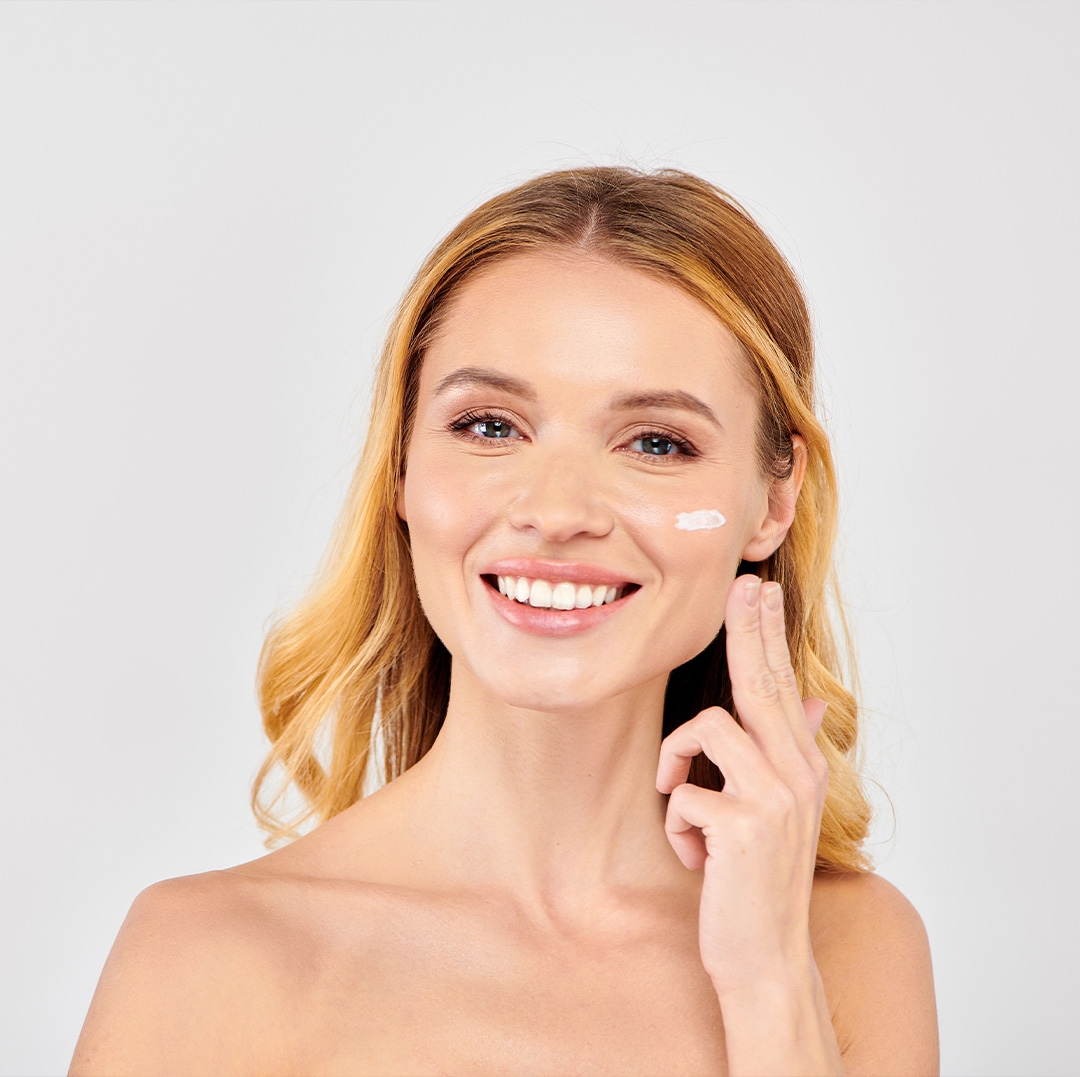
Topical Treatments: Prescription creams containing hydroquinone, tretinoin, azelaic acid, or kojic acid can gradually improve skin tone.
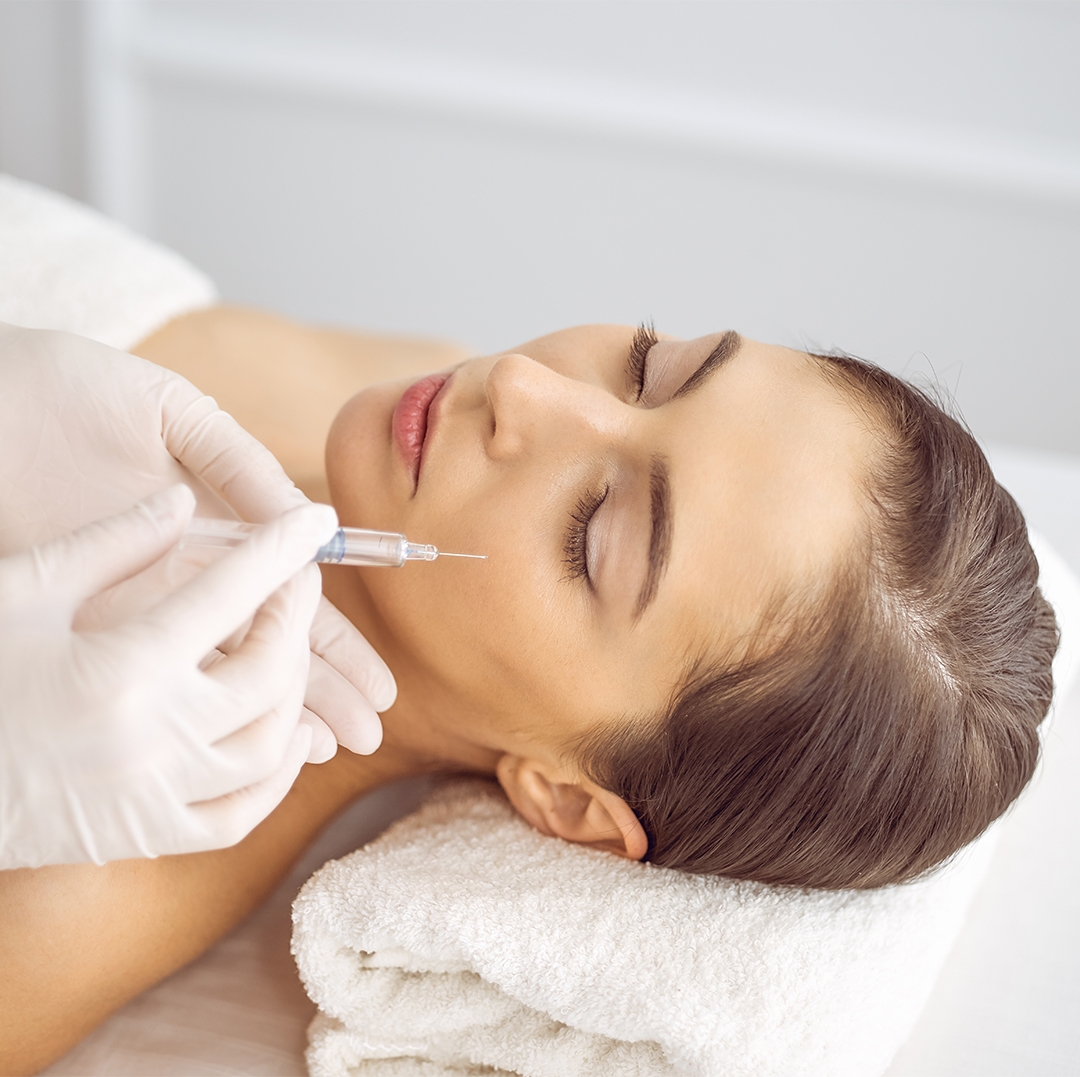
Mesotherapy: Injections of vitamins, minerals, and amino acids to boost skin regeneration.
Common Misconceptions About Uneven Skin Tone
Many people turn to DIY masks or cosmetic products they find online. However, these are often ineffective and may even harm the skin. Using acidic substances like lemon, baking soda, or vinegar directly on the skin can cause irritation, burns, or worsen pigmentation. Professional guidance is always essential.
Who Is at Higher Risk?
People with darker skin tones, as their pigment cells are more active.
Individuals living in sunny climates, those working outdoors, and those who don’t use sunscreen.
Women undergoing hormonal therapy or pregnancy (melasma is more common).
Teenagers with acne, who may develop persistent post-inflammatory spots.
Patience and Consistency in Treatment
Skin tone unevenness is not an issue that can be resolved quickly. Patience is key. Even with chemical peels or lasers, long-term improvement requires consistent sun protection and at-home care. Treatment protocols must be personalized, taking into account skin type, age, genetics, and lifestyle.
Uneven skin tone can be bothersome both aesthetically and psychologically. However, with the right knowledge, consistent care, and dermatologist support, it can be effectively managed. Building sun protection habits, using antioxidant-based skincare, and seeking professional treatments are the cornerstones of healthy skin. With conscious steps, achieving a more even, radiant, and healthy complexion is always possible.

Editör
View All Articles