
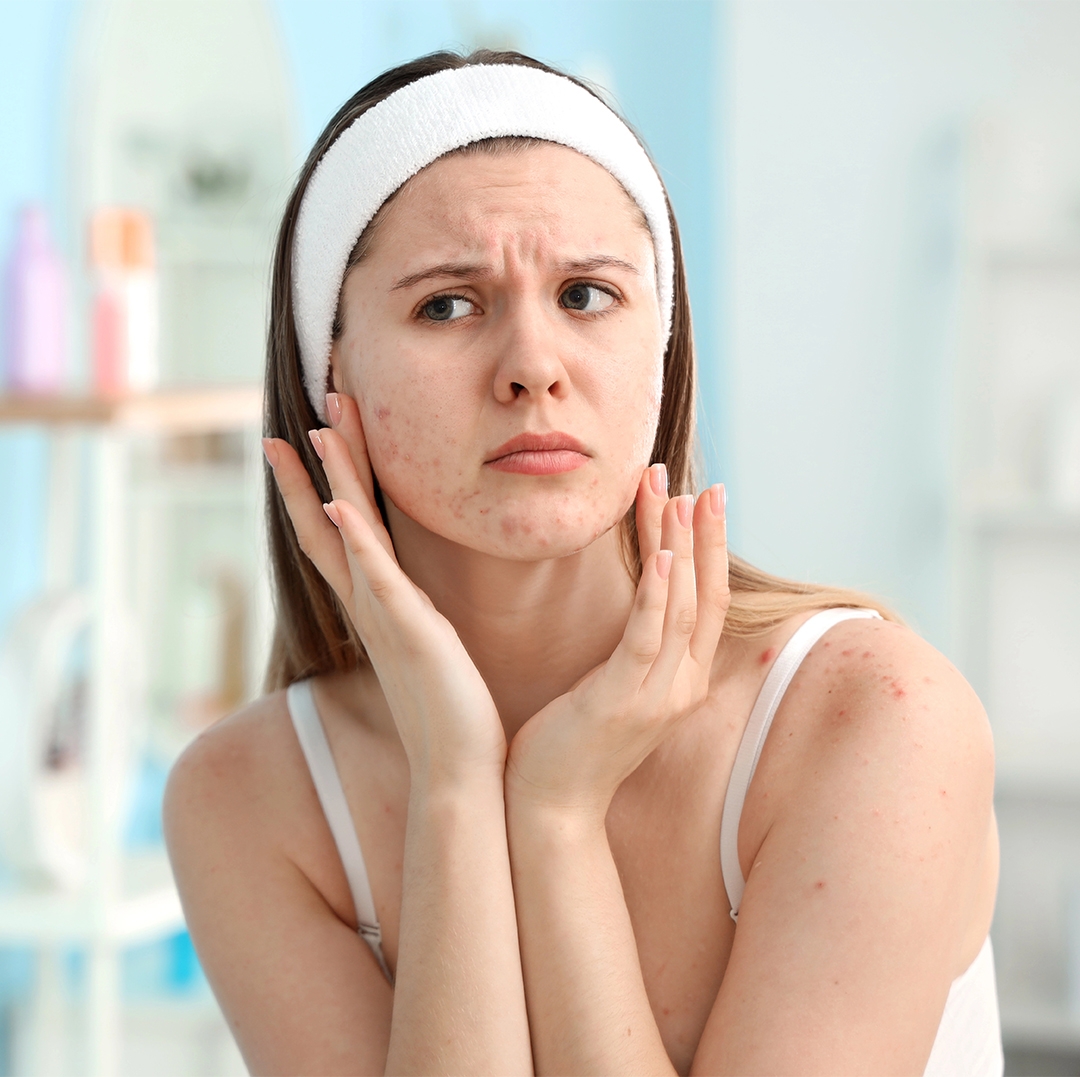
The body’s hormonal system is a complex network that regulates metabolism, stress response, sleep patterns, reproductive health, and skin functions. Fluctuations in hormone levels can lead to noticeable changes on the skin. These changes may appear as mild redness or increased oil production, or they may present as more prominent concerns such as acne, pigmentation, dryness, or hair loss.
Although hormonal imbalance affects individuals differently, skin symptoms often reflect deeper systemic processes. For this reason, persistent or significant changes in the skin may require a combined evaluation by dermatology and endocrinology specialists.
How Do Hormones Influence Skin Health?
The skin is a hormone-sensitive organ consisting of sebaceous glands, sweat glands, connective tissue, hair follicles, and vascular structures. Key hormones—estrogen, progesterone, testosterone, thyroid hormones, cortisol, and insulin—directly affect sebum production, collagen structure, moisture balance, and inflammatory responses.
When the level of one or more hormones becomes too high or too low, visible changes may occur on the skin. These findings are not always signs of disease but can be valuable biological signals.
What Skin Symptoms Can Hormonal Imbalance Cause?
1. Acne and Increased Oil Production
Androgen hormones (such as testosterone) may stimulate sebaceous glands, leading to oilier skin and acne, especially on:
- The chin
- Lower cheeks
- Jawline and neck
This pattern is often seen in conditions such as Polycystic Ovary Syndrome (PCOS).
2. Dryness and Dull Appearance
Low thyroid hormone levels (hypothyroidism) can slow the skin barrier’s renewal and reduce its moisture-retention capacity. This may lead to dry, flaky, and dull-looking skin.
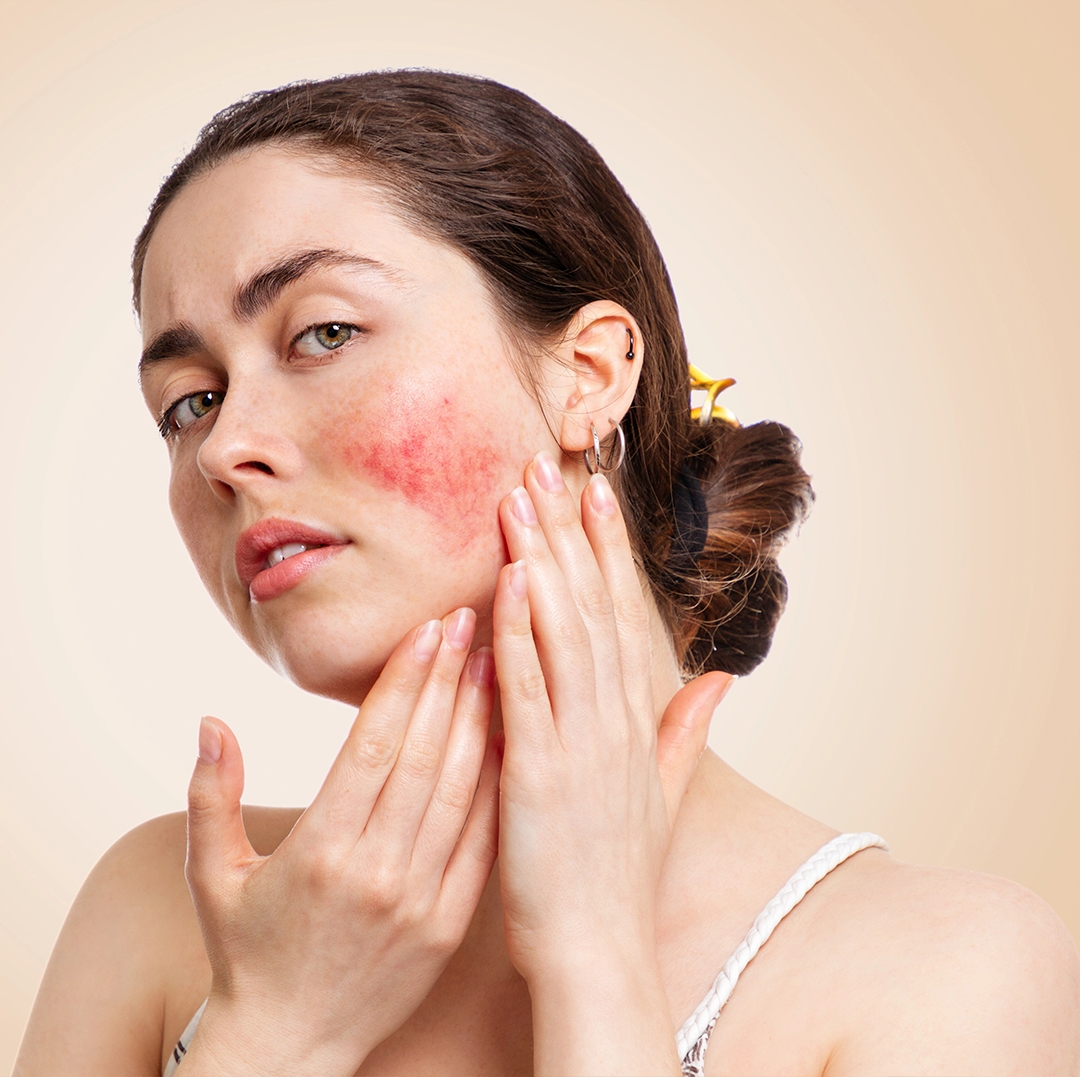
3. Redness, Sensitivity, and Inflammation
Fluctuations in cortisol or imbalances between estrogen and progesterone may increase skin sensitivity and inflammation. This is why some individuals notice more redness or sensitivity before their menstrual cycle.
4. Pigmentation Tendencies
Melanin production is closely related to hormonal activity. Increased estrogen and progesterone—especially when combined with sun exposure—may raise the likelihood of melasma or other pigmentation issues. This is common during pregnancy or certain hormonal periods.
5. Increased Facial Hair or Hair Loss
Increased sensitivity to androgens may cause:
Unwanted facial hair growth (chin, jawline, cheeks),
Accelerated hair shedding on the scalp.
These may indicate an underlying hormonal shift.
6. Puffiness and Swelling
Estrogen fluctuations may cause temporary puffiness, tightness, or swelling in the skin, especially before menstruation.
7. Increased Eczema or Itching
Irregular cortisol levels may heighten inflammatory reactions in the skin, contributing to eczema flare-ups in some individuals.
Can Hormonal Imbalance Change Skin Type?
Yes. In some individuals, hormonal fluctuations may temporarily shift the skin type:
- Normal skin may become oily,
- Oily skin may dry out,
- Combination skin may become more unstable.
These changes are not always permanent; skin balance often improves once hormones stabilize.
How Long Do Hormonal Skin Changes Last?
The duration and intensity depend on factors such as:
- Age
- Menstrual cycle
- Stress levels
- Nutrition
- Underlying medical conditions
Some symptoms may resolve in a few days, while others require longer follow-up.
When Is Professional Evaluation Needed?
Dermatology and endocrinology consultation is helpful in cases such as:
- Sudden or severe acne onset
- Increased facial hair
- Skin changes accompanied by menstrual irregularity
- Sudden hair loss
- Pigmentation that persists despite skincare
Because hormonal processes are complex, an individualized evaluation is essential.
Frequently Asked Questions
How can hormonal acne be recognized?
It typically appears as deeper, recurrent nodules along the jawline and lower face.
Does hormonal imbalance always cause acne?
No. Some individuals may experience only dryness or sensitivity.
Can hormonal pigmentation be completely removed?
Results vary. Pigmentation can improve, but complete resolution cannot be guaranteed. Sun protection is crucial.
Can hormones cause hair loss?
Yes. Androgen sensitivity or thyroid disorders may contribute to shedding.
Do skin symptoms resolve when hormones stabilize?
Most symptoms improve once hormonal balance is restored, although the process varies by individual.
This content is for informational purposes only; please consult a qualified healthcare professional for diagnosis and treatment.

Editör
View All Articles