
The question “What are the methods of laser skin resurfacing and which concerns does it treat?” is among the most frequently asked in modern dermatology clinics. Today’s advanced laser technologies deliver controlled energy to both the upper and deeper layers of the skin, stimulating natural regeneration. As a result, the skin becomes smoother, fresher, and healthier, both aesthetically and medically.
The Principle Behind Laser Skin Resurfacing
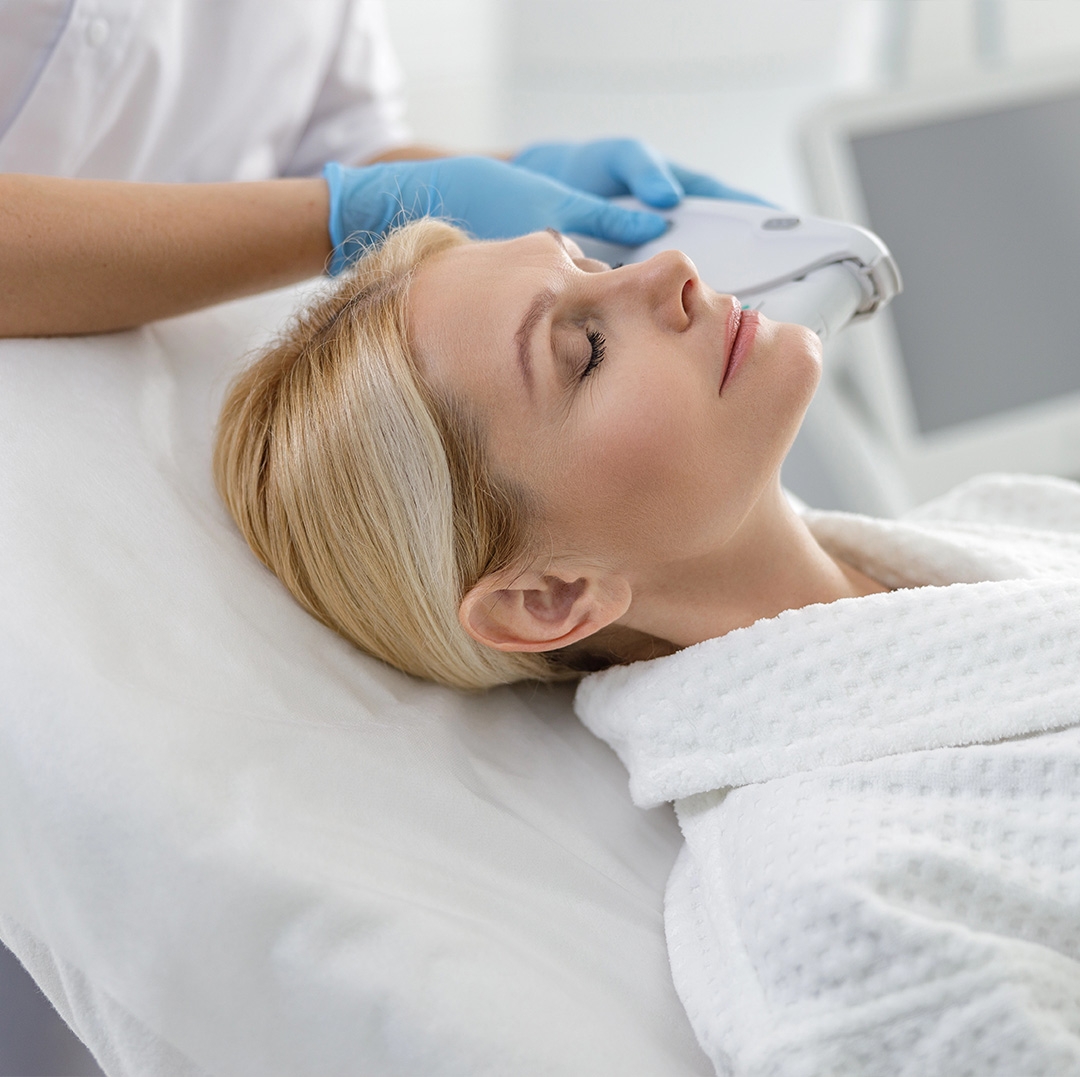
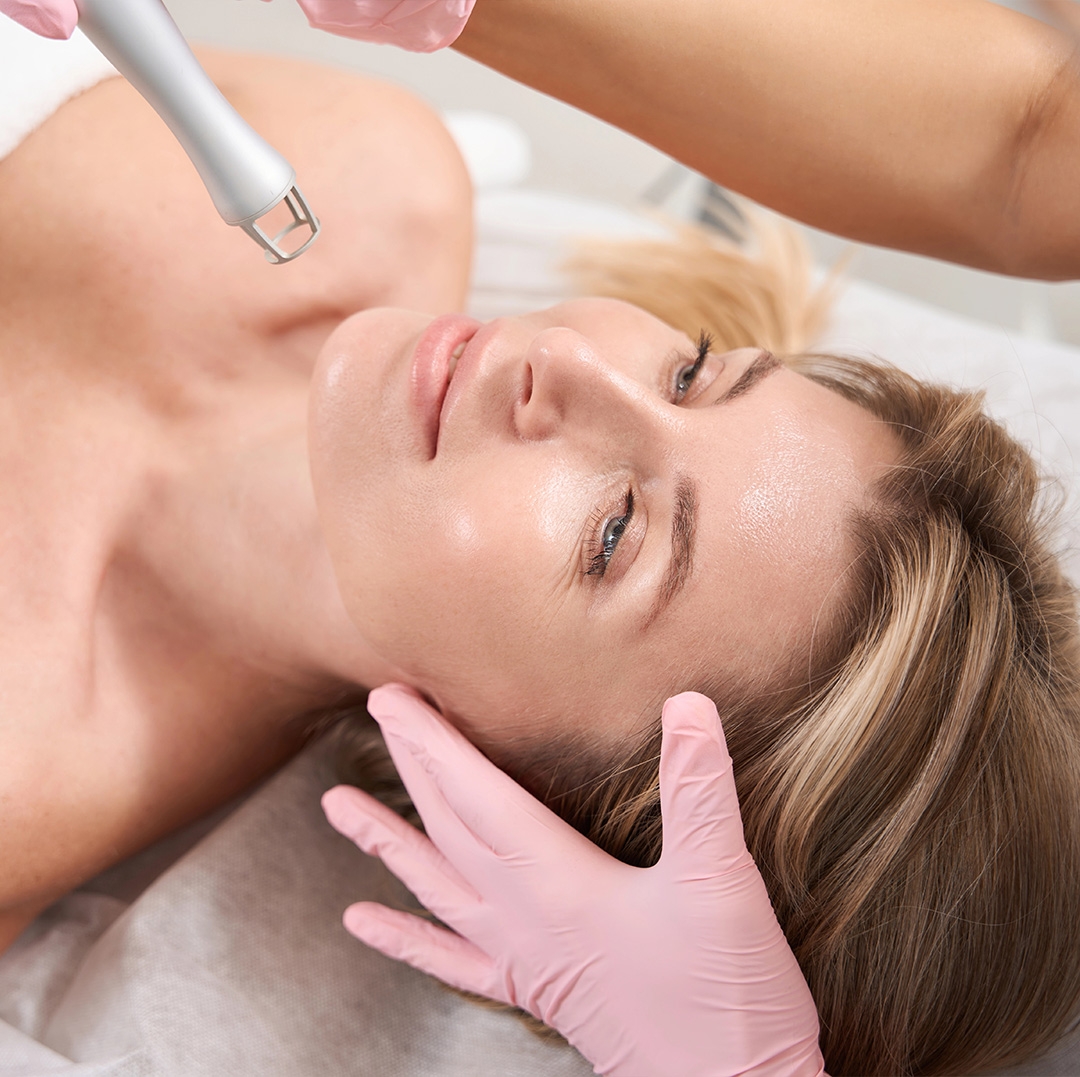
Laser treatments work by directing light at specific wavelengths into the skin tissue. This light energy carefully resurfaces, heats, or stimulates collagen production in deeper layers. The goal is to trigger skin renewal without damaging surrounding tissue, ultimately achieving tighter, more youthful, and radiant skin.
Patients often ask: How does laser treatment actually rejuvenate the skin? The energy creates micro-injuries in the skin, prompting the body’s natural healing response. This increases collagen and elastin production, making the skin firmer and more refined.
Ablative Laser Methods
Ablative lasers resurface the outer skin, encouraging deeper tissue regeneration.
CO2 Laser: One of the most effective options for deep wrinkles, acne scars, and pigmentation.
Er:YAG Laser: Provides a more superficial peel with a shorter recovery time compared to CO2.
Who are ablative lasers best for? Patients with deeper wrinkles or visible scarring who want more dramatic rejuvenation. However, healing usually takes a few extra days.
Non-Ablative Laser Methods
Non-ablative lasers stimulate collagen beneath the skin without damaging the surface.
Fraxel (Fractional Laser): Commonly used for pigmentation, fine lines, and skin texture.
Q-Switch Laser: Effective for mild pigmentation and skin tone irregularities.
Many patients ask: Are non-ablative lasers effective? While they don’t provide instant results, multiple sessions significantly improve skin texture and overall quality.
Skin Concerns Treated with Laser Resurfacing
Laser treatments, thanks to their different wavelengths, can target a wide range of skin issues:
Fine and moderate wrinkles
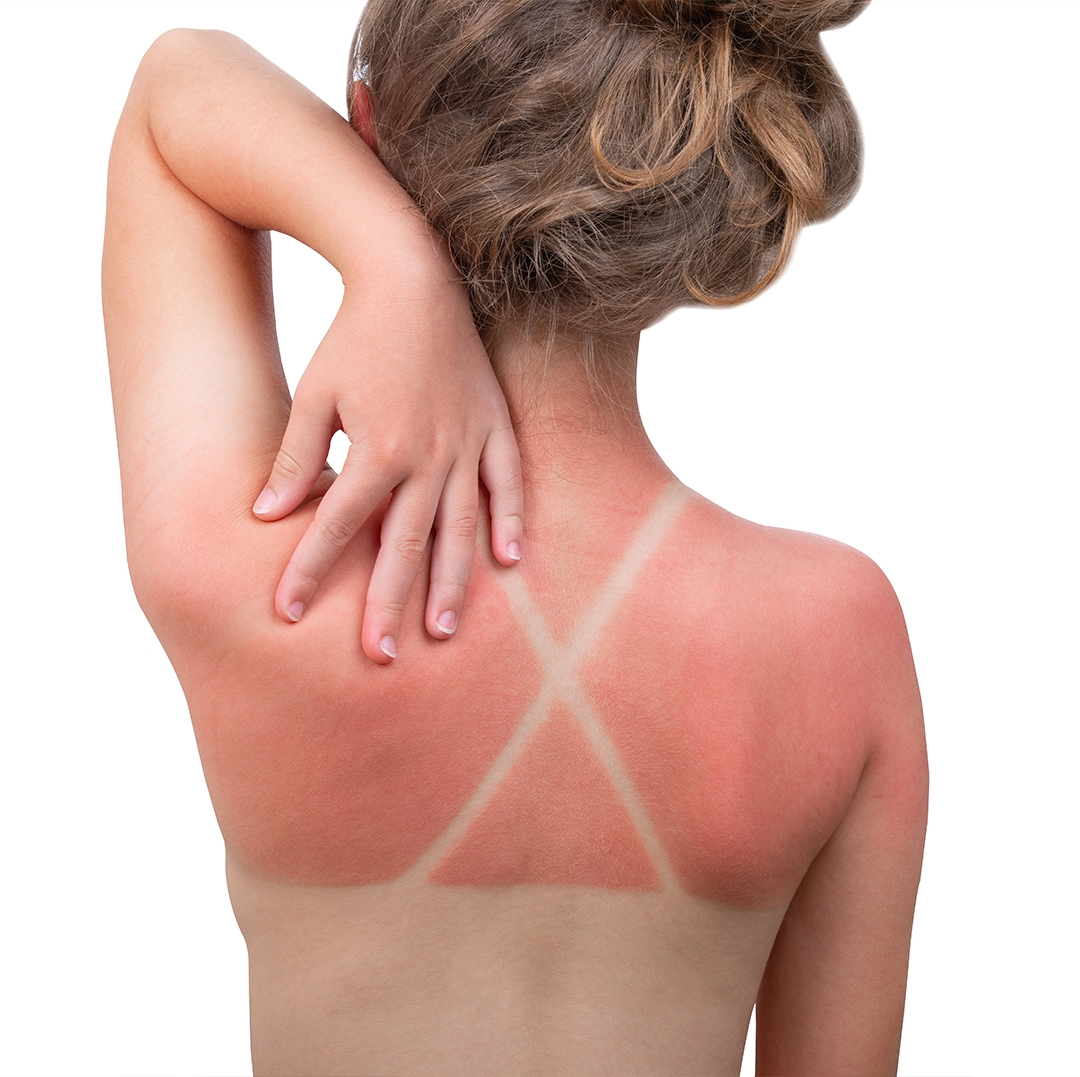
Sunspots and age spots
Acne and pimple scars
Uneven skin tone
Enlarged pores
Scar tissue
Dull, tired-looking skin
A common question is: Which issues can lasers treat with the most certainty? Lasers are especially effective for sun damage, acne scars, and wrinkle reduction.
Advantages of Laser Treatments
Non-surgical and minimally invasive
Precise and targeted action
Boosts collagen for long-lasting benefits
Safe and effective when performed by a qualified dermatologist
Patients often ask: How long do laser results last? While aging continues, results can last for years. Maintenance sessions help extend and enhance the benefits.
Pre and Post Treatment Care
No active infections should be present before treatment.
Sun protection is critical after the procedure.
Redness and mild peeling are normal in the first few days.
Use of moisturizers and barrier-repair creams supports healing.
Another frequent question: Can you wear makeup after laser treatment? Typically, you should wait a few days until the skin calms down before applying makeup.
Who Is Not Suitable for Laser Resurfacing?
Pregnant or breastfeeding women
Individuals with active acne flare-ups
Patients with open wounds or infections on the skin
People taking medications that increase light sensitivity
Another common concern is: Is laser treatment safe for darker skin tones? With modern devices, laser treatments can be performed safely on darker skin, but proper device selection and careful adjustment of settings are essential.
Laser skin resurfacing is one of the most effective methods in both aesthetic and medical dermatology. With ablative and non-ablative options, treatments can be customized to individual needs. While it does not promise “permanent youth,” consistent treatments significantly improve skin health, texture, and radiance.
Frequently Asked Questions
Is laser skin resurfacing painful?
Mild burning or stinging may be felt, but it is usually well-tolerated with topical numbing creams.
How long do results last?
Results can last several years, but maintenance is recommended as natural aging continues.
How many sessions are needed?
Usually 3–5 sessions, depending on the condition being treated.
Does laser remove pigmentation completely?
It is highly effective for sunspots, but deeper pigmentation may require multiple sessions.
Will laser treatment leave scars?
When performed by an experienced dermatologist, there is no risk of permanent scarring. Temporary redness and flaking are normal.

Editör
View All Articles