

Cryotherapy is a widely used dermatological treatment method based on freezing skin lesions with liquid nitrogen. It can be safely applied in many conditions such as warts, actinic keratoses, seborrheic keratoses, certain moles, and superficial skin cancers. Thanks to its effectiveness and practicality, this method is often preferred; however, there are some important aftercare points that should not be overlooked.
So, which steps are critical during the healing process after cryotherapy?
What Happens to the Skin After Cryotherapy?
From the very first hours after treatment, several changes can be observed:
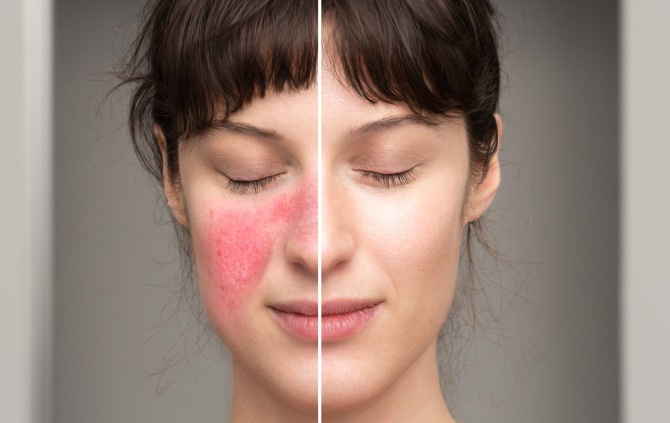
Redness and swelling: These occur immediately after the procedure and usually subside within a few days.
Blister formation: Common especially after wart treatment. Blisters may rupture on their own within a few days or dry up and form a scab.
Scabbing: A natural part of the healing process; scabs should not be picked off before they fall off naturally.
Mild pain or tenderness: Generally subsides quickly.
These findings are expected and usually resolve spontaneously.
Key Aftercare Instructions
Keep the Area Clean and Dry
Avoid contact with water for the first 24 hours if possible. Afterwards, you may clean gently with mild soap and lukewarm water. Maintaining hygiene reduces the risk of infection.
Do Not Pick at Scabs or Blisters
Any scabs or fluid-filled blisters that form should be left to heal naturally. Forcibly removing them can increase the risk of scarring and infection.
Protect from Sun Exposure
The skin is more sensitive after treatment. Sun exposure may increase the risk of pigmentation. Use a high-SPF broad-spectrum sunscreen and avoid direct sun when possible.
Use Moisturizers and Wound Care Products
Dermatologist-recommended moisturizers can speed up recovery. When needed, antiseptic solutions may also be helpful.
Avoid Scratching or Irritation
Even if the area feels itchy, avoid scratching, rubbing, or irritating the treated site. This supports faster recovery and reduces the chance of scarring.
Pain Control
Mild pain can be managed with simple pain relievers, but medications should always be taken under medical advice.
Regular Follow-Up
Some lesions may require multiple cryotherapy sessions for complete removal. Attending follow-up appointments recommended by your dermatologist is essential.
How Long Does Healing Take?
The healing period varies depending on the size and location of the lesion. Small lesions may heal within 1–2 weeks, while deeper ones may take 4–6 weeks. After healing, slight skin color changes may remain, which usually fade over time.
Possible Side Effects
Cryotherapy is generally safe, but in rare cases, the following may occur:
Permanent scarring at the treatment site
Light patches (hypopigmentation)
Occasionally darker patches (hyperpigmentation)
Infection (very rare)
Therefore, if any unusual symptoms appear, you should contact your dermatologist without delay.
Cryotherapy is an effective and reliable method for treating various skin conditions. However, post-treatment care is just as important as the procedure itself. Keeping the area clean, avoiding scab removal, protecting from sun exposure, and following your doctor’s instructions ensure a smooth recovery. It is important to remember that every skin type is different, and the post-cryotherapy process should be evaluated individually.

Editör
View All Articles