
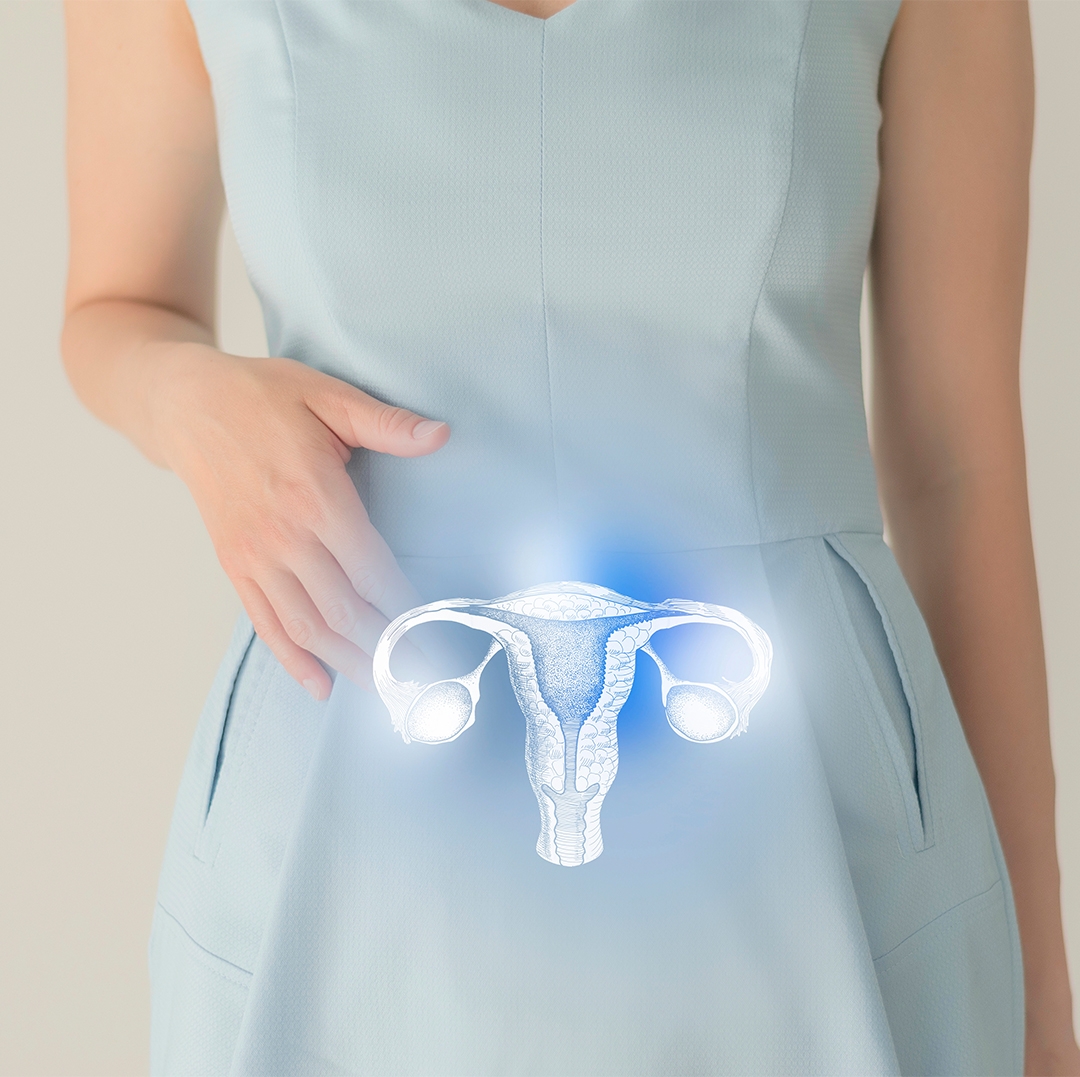
Polycystic Ovary Syndrome (PCOS) is a hormonal condition affecting many women of reproductive age. Beyond its effects on menstrual cycles and metabolic balance, PCOS can also lead to significant changes in the skin. At the core of PCOS lies an increase in androgen hormones or heightened sensitivity of the skin to these hormones. Because of this, PCOS is commonly associated with a variety of dermatological symptoms.
The skin manifestations of PCOS differ widely from person to person. Some individuals may experience mild oiliness and blackheads, while others may face more prominent concerns such as acne, unwanted hair growth, hair thinning, or pigmentation issues. These findings alone do not confirm a diagnosis; rather, they reflect how hormonal fluctuations influence the skin.
How Does PCOS Affect the Skin?
1. Hormonal Acne
One of the most common skin-related signs of PCOS is hormonal acne, which typically appears as:
- Deep, painful nodules
- Recurrent flare-ups
- Concentration along the jawline, chin, and lower face
Increased androgen activity stimulates sebaceous glands, resulting in more intense inflammatory acne.
2. Increased Oiliness and Enlarged Pores
Androgens boost sebum production, causing visible shine, oiliness, and pore enlargement. This can reduce makeup longevity and contribute to blackhead formation.
3. Hirsutism (Unwanted Hair Growth)
A hallmark feature of PCOS is excess facial or body hair, especially on:
- The chin
- Upper lip
- Chest
- Abdomen
This occurs because hair follicles become more responsive to androgen hormones, leading to thicker and darker hair growth.
4. Hair Thinning (Androgenic Alopecia)
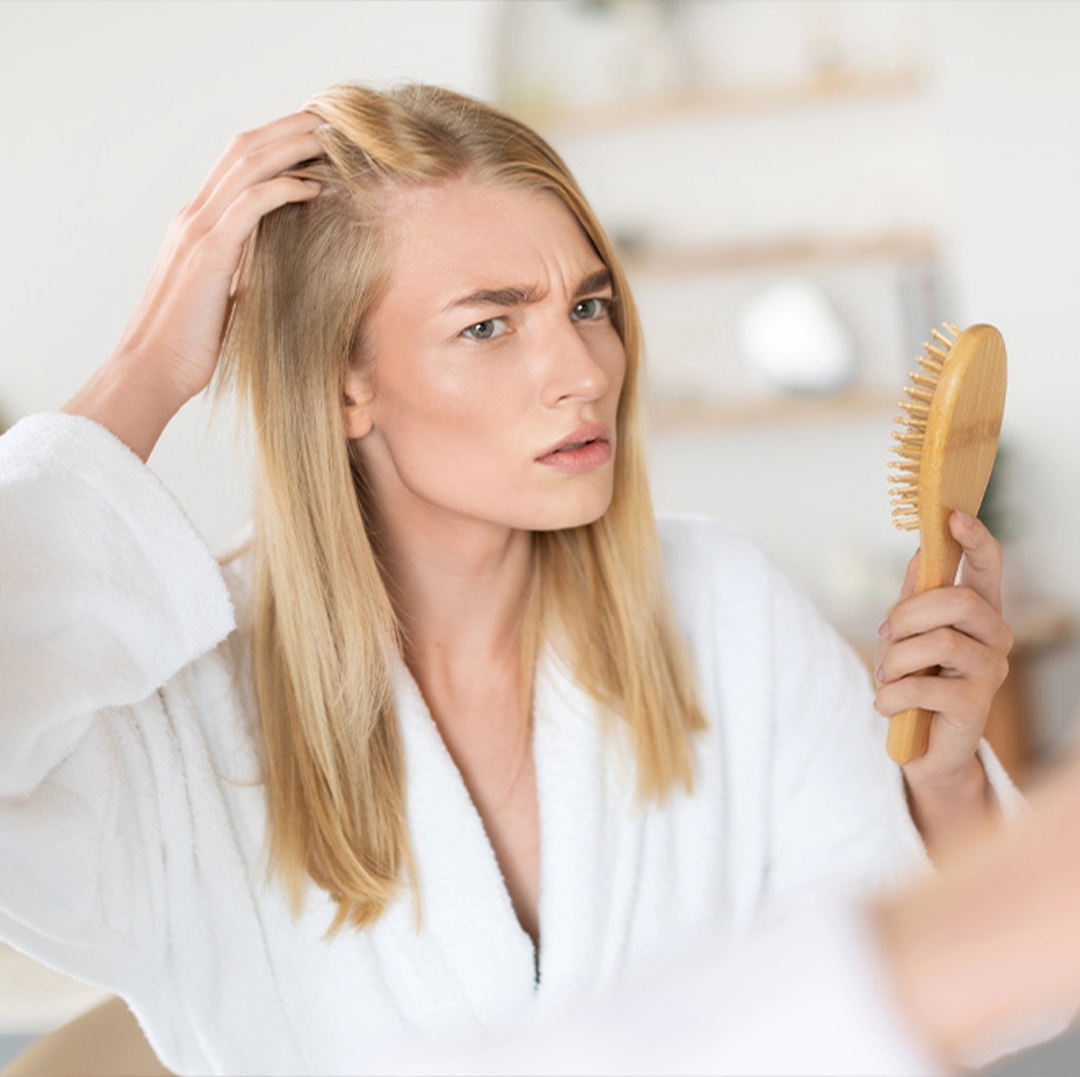
Hair loss is another common manifestation. Individuals may experience thinning at the crown, decreased hair density, or increased shedding. This is related to hormonal sensitivity and varies in severity.
5. Darkened Skin Patches: Acanthosis Nigricans
Some individuals with PCOS develop dark, velvety patches on the neck, armpits, or groin. This condition, known as acanthosis nigricans, is often associated with insulin resistance.
6. Increased Sensitivity and Inflammation
Hormonal fluctuations may heighten inflammation, causing some individuals to experience redness, irritation, or increased sensitivity.
7. Post-Acne Marks and Pigmentation
Because PCOS-related acne tends to be deeper and more persistent, it has a higher likelihood of leaving marks or pigmentation—particularly if lesions are picked or squeezed.
Why Does PCOS Affect the Skin So Significantly?
The primary reason is elevated androgen activity. Many skin structures—including sebaceous glands, hair follicles, and pigment-producing cells—contain androgen receptors. Increased hormone activity can:
- Accelerate sebum production
- Stimulate hair follicles
- Trigger inflammatory acne
- Influence pigmentation pathways
For this reason, PCOS often presents with multiple dermatological signs simultaneously.
Are Skin Symptoms Enough to Diagnose PCOS?
No. Skin symptoms may suggest PCOS but cannot confirm the diagnosis alone. A definitive diagnosis requires:
- Gynecological evaluation
- Blood tests
- Ultrasound imaging
- Skin findings are supportive clues, but not diagnostic criteria by themselves.
How Long Do PCOS-Related Skin Problems Last?
Symptoms may persist as long as hormonal imbalance continues. Some individuals experience fluctuating periods of improvement or worsening, while others require long-term dermatological support. Regular follow-up is important for managing ongoing changes.
Why Is Dermatological Follow-Up Important?
PCOS-related skin concerns often recur. Dermatological evaluation is essential for:
- Managing acne
- Reducing pigmentation risk
- Monitoring hair loss
- Evaluating unwanted hair growth
A dermatologist will tailor supportive care and treatment strategies according to the individual’s needs and the severity of PCOS symptoms.
Frequently Asked Questions
Is PCOS-related acne different from regular acne?
Yes. It is typically deeper, more painful, and concentrated in the lower face.
Does PCOS increase unwanted facial or body hair?
Yes. Androgen activity can lead to thicker, darker hair in certain areas.
Can PCOS cause hair loss?
Yes. Androgen sensitivity may lead to thinning at the crown or increased shedding.
Why does pigmentation increase?
Deeper acne lesions and hormonal influence on pigment cells can lead to marks or discoloration.
Do PCOS-related skin symptoms improve over time?
They often improve when hormonal balance is restored; however, the timeline varies by individual.
This content is for informational purposes only; please consult a qualified healthcare professional for diagnosis and treatment.

Editör
View All Articles