“What is retinol and when should you start using it?” is one of the most frequently asked questions in skincare today. Touted as the “gold standard” of anti-aging, retinol is a scientifically proven ingredient that’s been used by dermatologists for decades.
However, as powerful as it is, retinol must be introduced at the right age, in the right concentration, and with the right routine—otherwise, it can cause irritation instead of improvement.
What Is Retinol?
Retinol is a vitamin A derivative and part of a broader group of compounds known as retinoids. Retinoids are clinically proven to accelerate cell turnover, boost collagen production, and even out skin tone.
Retinol is the over-the-counter (OTC) form, while stronger forms—such as tretinoin, adapalene, and tazarotene—are prescription-only.
How Retinol Works in the Skin
As we age, our skin cells renew more slowly, leading to dullness, clogged pores, and fine lines. Retinol penetrates the skin and stimulates cellular renewal at a DNA level.
Here’s what it does:
- Promotes the formation of new, healthy skin cells
- Boosts collagen and elastin production
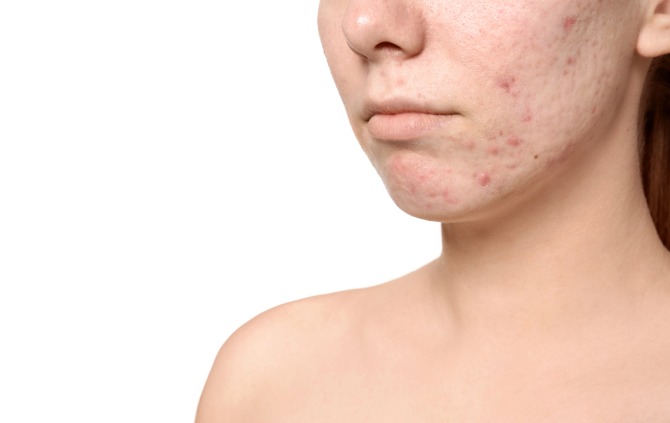
- Clears clogged pores and reduces acne
- Smooths and refines skin texture
In short, retinol is one of the most effective ingredients for anti-aging, acne treatment, and overall skin rejuvenation.
Key Benefits of Retinol
Reduces Fine Lines and Wrinkles
Retinol slows down collagen breakdown and promotes new collagen synthesis, making wrinkles appear softer and less visible.
Evens Skin Tone
It fades dark spots, sun damage, and post-acne marks, leaving the skin with a more even complexion.
Unclogs Pores and Prevents Acne
By increasing cell turnover, retinol keeps pores clear and reduces breakouts and blackheads.
Improves Texture and Radiance
Regular use helps reveal smoother, brighter, and firmer skin.
When Should You Start Using Retinol?
Dermatologists typically recommend starting retinol in your mid to late 20s, when natural collagen production begins to decline and early expression lines appear.
Early 20s: Those with acne-prone skin can start using gentle retinoids like adapalene.
25–30: Ideal time to begin low-strength retinol (0.1%–0.3%) for prevention.
30–40: Regular use helps maintain elasticity and slow down collagen loss.
40+: Higher concentrations or prescription-strength retinoids may be introduced under dermatologist supervision.
The earlier you introduce retinol (safely), the more preventative its benefits.
How to Use Retinol Safely
Use at Night Only
Retinol breaks down in sunlight and makes skin more sensitive to UV rays. Always apply it in the evening and use broad-spectrum sunscreen (SPF 30+) daily.
Start Low and Go Slow
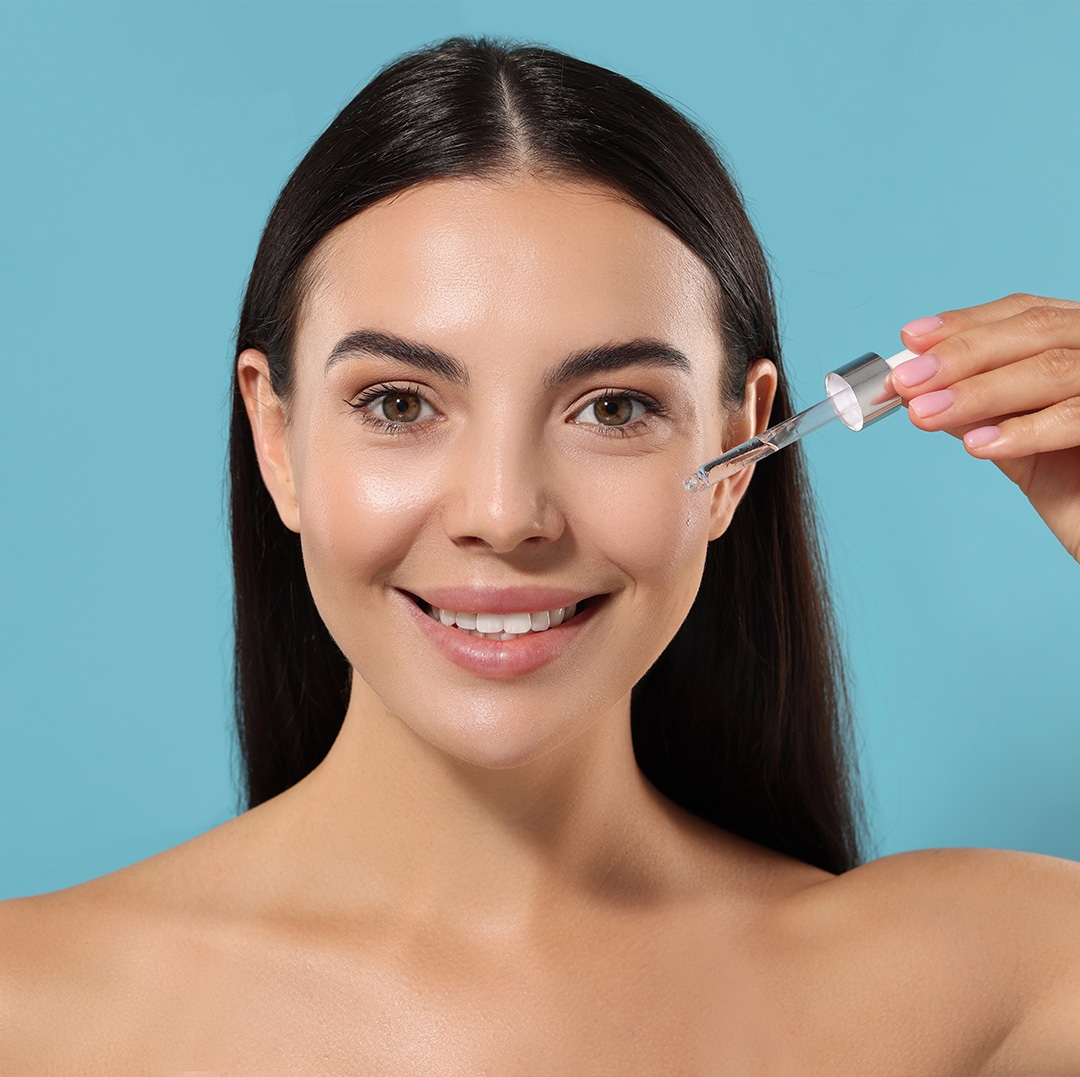
More isn’t better. Begin with a pea-sized amount, 2–3 nights per week. Gradually increase frequency as your skin builds tolerance.
Pair with Moisturizer
To minimize irritation, apply a soothing, fragrance-free moisturizer after retinol—or even before it (“sandwich method”).
Avoid Certain Ingredients Together
Do not layer retinol with AHA/BHA acids, vitamin C, or benzoyl peroxide in the same routine. These combinations can cause redness or peeling.
Who Should (and Shouldn’t) Use Retinol?
Recommended for:
- Early signs of aging (fine lines, dullness)
- Uneven tone and pigmentation
- Acne-prone or textured skin
Not recommended for:
- Pregnant or breastfeeding women
- Those with active eczema, rosacea, or hypersensitive skin
- Individuals with open wounds or ongoing irritation
Alternatives for sensitive users include niacinamide, peptides, or bakuchiol, a plant-based retinol substitute.
Retinol vs. Retinoid: What’s the Difference?
Both belong to the vitamin A family but differ in strength and activation process:
Retinol converts into retinoic acid in the skin (gentler, slower results).
Prescription retinoids (like tretinoin) are already active and deliver faster, stronger effects—but with higher irritation potential.
In short: retinol = beginner-friendly, retinoid = dermatologist-grade strength.
Retinol is not a quick fix—it’s a long-term investment in your skin’s health.
It takes about 6–8 weeks for your skin to adapt, and noticeable results appear around the third month of consistent use. During this time, patience, hydration, and daily sun protection are key.
Retinol isn’t about chasing youth—it’s about supporting healthy skin renewal.
Frequently Asked Questions
What does retinol do for the skin?
It boosts cell turnover, stimulates collagen, fades dark spots, and reduces acne, making skin smoother and more youthful.
What age should you start using retinol?
Most people can start in their mid to late 20s for prevention; stronger forms may be introduced in the 30s and 40s.
Can I use retinol every day?
Start with 2–3 nights per week and increase as tolerated. Daily use too early can cause irritation.
Is retinol safe during pregnancy?
No. Retinoids are not recommended during pregnancy or breastfeeding.
Can I use vitamin C and retinol together?
Not in the same routine. Use vitamin C in the morning and retinol at night to avoid irritation.

Editör
View All Articles