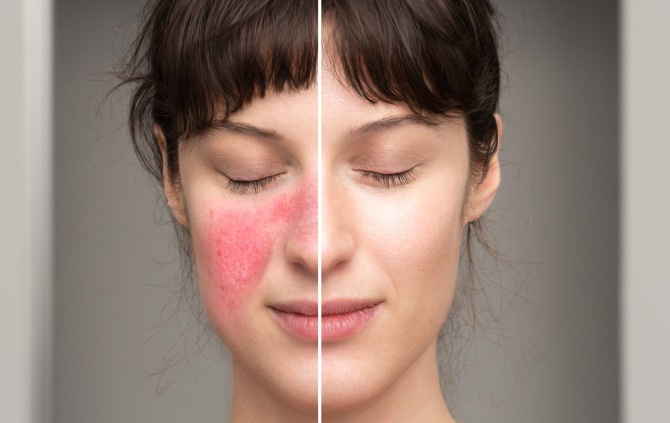


Scars are one of the most common skin problems that cause aesthetic concerns and affect individuals' self-confidence. Today, there are various dermatological treatment methods for the correction of scars. In this article, we will discuss in detail the current practices used in the treatment of scars and the effectiveness of these methods.
Types of Scars
The treatment process for scars varies depending on the type of wound. Scars are generally divided into the following categories:
Hypertrophic Scars: Raised, red and thickened scars.
Keloid Scars: They are raised, hard scars that have spread beyond normal boundaries.
Atrophic Scars: These are sunken scars that remain below the skin level. They are usually seen after acne and chickenpox.
Contracture Scars: These are scars that occur after burns and cause the skin to tighten.
Current Treatment Methods
1. Laser Treatments
Laser treatments are an effective way to improve the color and texture of scars. Fractional lasers, CO2 lasers, and pulsed dye lasers are commonly used to correct scars. Laser treatments target the upper layers of the skin, increasing collagen production and reducing the appearance of scars.
2. Chemical Peeling
Chemical peels encourage the formation of new skin cells by removing the upper layers of skin to reduce the appearance of scars. Strong acids such as TCA (trichloroacetic acid) and phenol are used to treat deep scars.
3. Microdermabrasion
Microdermabrasion improves the appearance of scars by mechanically removing the top layer of skin. This method is effective for more superficial scars and renews skin texture.
4. Fillers
Dermal fillers are used in the treatment of atrophic (sunken) scars. Hyaluronic acid-based fillers are injected under sunken scars to smooth the skin surface. This method is especially effective for acne scars.
5. PRP (Platelet Rich Plasma) Treatment
PRP treatment is performed by injecting plasma obtained from the patient's own blood into the scars. PRP reduces the appearance of scars by promoting skin regeneration and collagen production.
6. Microneedling
Microneedling triggers the natural healing process by creating micro-wounds in the skin. This method increases collagen production and improves the appearance of scars. More effective results can be achieved when used in combination with PRP.
7. Corticosteroid Injections
Corticosteroid injections are used to treat hypertrophic and keloid scars. Steroids reduce inflammation, causing scars to soften and shrink.
Treatment Process and Expectations
The success of scar treatment varies depending on the type of scar, its depth, and the individual’s skin type. Most treatments require several sessions, and results become apparent over time. Dermatologists determine the most appropriate treatment plan based on the patient’s needs and skin characteristics.
Although scars cause aesthetic concerns, they can be successfully managed with various dermatological treatment methods available today. Methods such as laser treatments, chemical peels, microdermabrasion, fillers, PRP, microneedling and corticosteroid injections significantly improve the appearance of scars. By getting help from a professional dermatologist, you can determine the most appropriate treatment options for your scars and achieve smoother, healthier skin. If you have a scar problem, you can quickly reach dermatologists in your city via Dermatologbul.com and make an appointment.

Editör
View All Articles