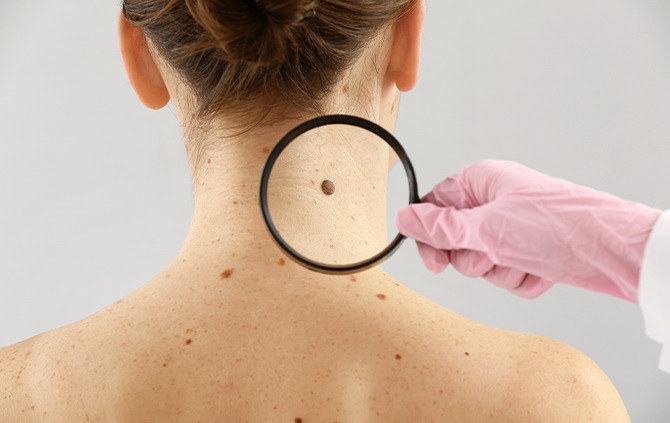
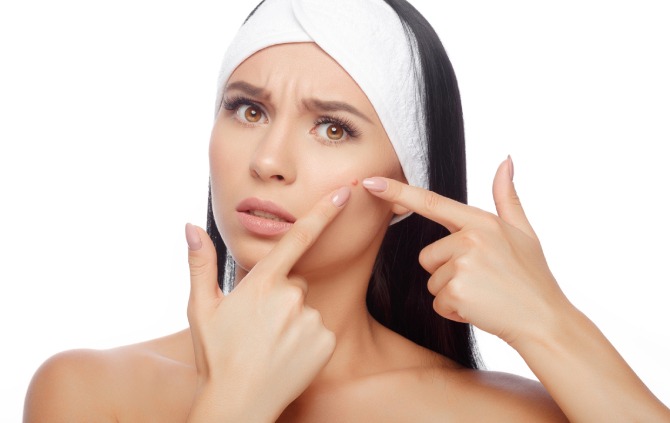
The spots, bumps or inflamed swellings that appear on our skin from time to time can be annoying. All of these formations are usually grouped under the title of “acne”, but they are not actually the same thing. Blackheads, whiteheads and cystic acne are distinguished from each other in terms of appearance, formation and treatment approaches. Knowing what you are facing on your skin is very important for proper care and treatment.
In this article, we will clearly examine the differences between the three most common types of acne: blackheads, whiteheads, and cystic acne.
1. Blackheads (Open Comedones)
Blackheads are caused by the pores on your skin getting clogged with sebum (oil), dead skin cells and dirt. These plugs come into contact with air because the pores are left open and turn black as a result of oxidation. This doesn’t mean they are dirty; it’s just a chemical reaction.
Most common places:
Nose
Forehead
Chin (especially on oily skin)
Treatment and care:
A gentle yet effective cleansing routine
Products containing salicylic acid
Chemical peels done 1-2 times a week
Pore tightening tonics
Blackheads are usually not inflamed, so they can be controlled early on with regular cleansing and appropriate products.
2. Whiteheads (Closed Comedones)
Whiteheads are formed by the blockage of pores, similar to blackheads. However, this time the pore tip is closed and the sebum accumulated inside does not come into contact with the air, so it appears white or skin-colored.
Why does it happen?
Hormonal imbalances
Wrong use of cosmetic products
Inadequate skin cleansing
Most common places:
Cheeks
Forehead
Jaw line
Treatment and care:
Products containing retinoids (e.g. adapalene, tretinoin)
Non-comedogenic moisturizers that do not clog pores
Procedures such as chemical peeling or microneedling under dermatologist supervision
Whiteheads can become inflamed over time, so early intervention is important.
3. Cystic Acne (Cystic Lesions)
Cystic acne is one of the most severe types of acne. They are painful, large, red and often inflamed cysts that form in the deeper layers of the skin. They are usually hormonal and tend to leave scars.
Why does it happen?
Hormonal imbalances (especially in cases such as puberty, menstrual cycle, PCOS)
Genetic predisposition
Excessive sebum production and bacterial infection
Most common places:
Chin and sub-chin area
Back and shoulders
Chest area
Treatment and care:
Topical treatments may often be inadequate.
Strong treatments such as oral antibiotics, birth control pills, or isotretinoin (Roaccutane) may be required under the supervision of a dermatologist.
Early intervention in cystic acne treatment is crucial to reduce both physical and psychological scars.
So Which One Is Dangerous?
Every type of acne can affect the appearance of the skin, but cystic acne is the type that requires the most attention as it carries the risk of leaving permanent scars on the skin. Blackheads and whiteheads are more superficial problems and can be controlled with a proper care routine. However, cystic lesions can be serious enough to require professional intervention.
Approaching every skin problem with the same product can sometimes make the situation worse. Not every spot or bump on the skin is caused by the same reason. That's why it's very important to know your skin type, evaluate the formations on your skin correctly and get support from a dermatologist when you need it.
If you are bothered by blackheads, whiteheads or cystic formations on your skin, you can reach a dermatologist for the correct diagnosis and treatment plan. Remember, every skin is special and deserves care.

Editör
View All Articles