
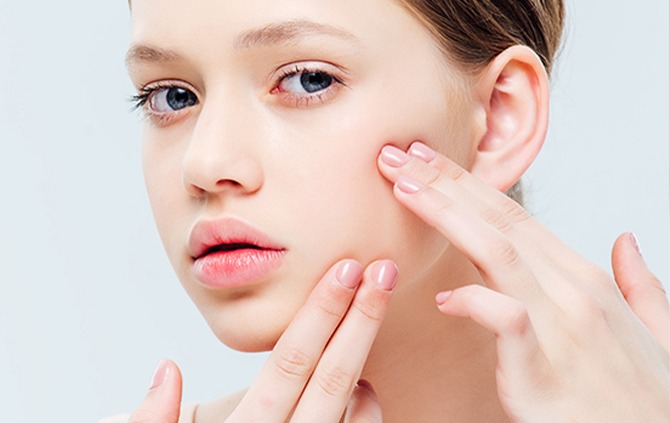
What is acne?
Acne is a pimple that is located on the pores of our skin on the face, neck, back and body, is seen as a raised area on the skin, is red in color and can sometimes be inflamed. Not every situation with a similar appearance is acne. Sometimes ingrown hairs and some microbial conditions can be confused with acne. In addition, acne can be a sign of many underlying health problems.
It is the most common skin disease during adolescence. It is seen in approximately 40% of individuals between the ages of 12-18. During adolescence, oil secretion increases due to the effect of hormones. It is easier for the pores of oily skin to become clogged. For this reason, it is frequently seen in adolescents. It occurs especially in the face, shoulders, back and chest area and can have negative effects on the psychology of young people.
What causes acne to occur?
Many factors play a role in its formation. In genetically predisposed individuals, the thickening of the hair-sebaceous gland duct, where the oil secretion is discharged from the skin, and the tendency of the duct to become blocked due to the stickiness of the cells here are important factors. Other factors include the accumulation of the increased oil secretion (sebum) in this duct during puberty, forming black or white spots called comedones. Physical factors play a role in pore blockage as well as genetic factors. Physical factors include oily creams, hot weather, increased sweating, makeup and not using appropriate skin cleansers. Other causes of acne include bacteria settling in the sebum in these clogged pores and causing inflammation. In acne that occurs in this way, redness and inflamed swellings can be seen on our skin.
Is there a genetic predisposition to acne?
Individuals with a family history of severe acne may develop more acne, or they may not develop acne at all. However, there is still a genetic predisposition.
Is there a relationship between diet and acne?
Recent studies have shown that acne is triggered by foods with a high glycemic index (foods with a high glycemic index cause blood sugar to rise rapidly, which in turn causes stored insulin from the pancreas to be rapidly released into the blood and the amount of insulin in the blood to increase rapidly). Therefore, it is not recommended to consume such foods in excessive amounts and use them in a single way. Foods with a high glycemic index include potatoes, white bread, white rice, white sugar, processed fruit juices, bananas (ripe), watermelon, crackers, corn chips and cornflakes. In addition, some patients describe an increase in acne severity after high-calorie foods such as sunflower seeds, fried foods and chocolate. It would be beneficial for these patients to stay away from these types of foods, which they believe increase acne complaints.
Is there a connection between menstrual irregularity and acne?
If a female patient has acne that does not start during puberty but starts at an advanced age, and if she has one or more of the following complaints: irregular menstrual periods, difficulty losing weight, excessive hair growth around the chin, abdomen, back, and nipples, she should be evaluated for hormonal disorders. In these patients, ovarian cysts, or polycystic ovary disease, are particularly suspected. In this disease, the acne complaint is quite resistant and the treatment is quite different from the acne treatment used in men. In general, it should not be forgotten that acne complaints may increase in most women during menstrual periods. This is a natural process caused by hormones and is not a symptom of a disease. In addition, acne can become more severe during pregnancy due to the effects of hormones.
Is it recommended to squeeze acne?
No, it is definitely not recommended to squeeze or pick at acne. In some types of acne, acne lesions can only be drained under the supervision of a doctor. Inflammation can spread in acne that is picked, redness can increase, and the risk of scarring also increases.
How is acne treated?
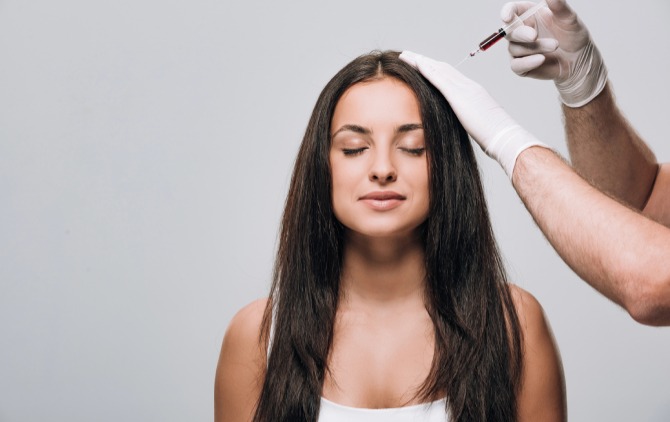
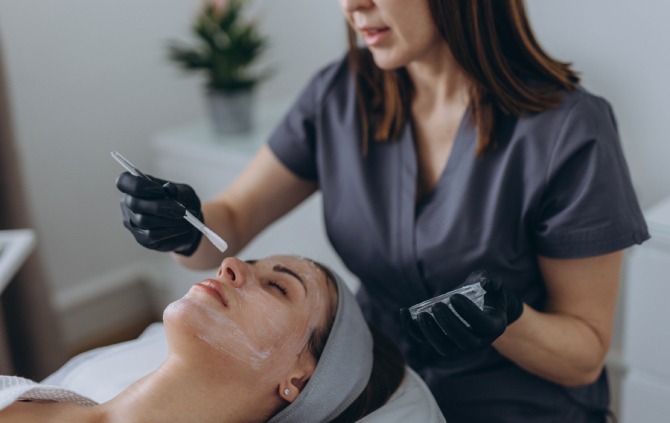
The most important point in acne treatment is to determine the factors that cause acne and to correct these conditions. This could be a hormone problem, a cream that the person applies to their face that clogs their pores and causes acne, or a bad diet. There are many treatment alternatives for a very common disease like acne. While washing products and creams alone may be sufficient for mild acne, oral pills are required for moderate-severe acne and hormonal acne. The most commonly used pills among these are antibiotics, vitamin A derivatives, and birth control pills, but they should be applied under the supervision and control of a doctor. Apart from this, laser, chemical peeling, and intradermal injection of medication are also among the methods used. In addition, laser treatments and plasma energy treatment applications can be performed. It should not be forgotten that every patient is different and the type of treatment that each patient will benefit from varies from patient to patient.
What can you say about isotretinoin treatment?
Isotretinoin (Roaccutane®, Zoretanin®, Aknetrent®), a vitamin A derivative drug, is a treatment that is quite effective in all acne types known on the market. Successful results are obtained in many patients after treatment, and the frequency of recurrence of lesions decreases afterwards. Although this treatment is very effective, it also has various side effects, but most of these side effects disappear during or after treatment. Therefore, you should definitely consult your physician for any complaints while using this drug. The most common side effect is the effects related to dryness in the skin. It can increase blood fats and rarely affect liver tests negatively. Therefore, you will usually need to have blood tests done at certain intervals with the decision of your physician. The most important point for women while using the drug is to definitely not get pregnant. It is recommended that women of childbearing age use effective contraception. Pregnancy can occur 2 months after stopping treatment.
Should acne be treated, what are the important points in acne treatment?
Acne is a disease that needs to be treated because it is chronic, causes psychological stress, and can leave permanent scars if left untreated. Patients who do not seek treatment are usually those who have lost faith that their disease will go away or do not see acne as a disease and think that it will go away without treatment. Acne, which is especially common in adolescents, can affect the psychosocial development of patients during adolescence, when body and self-anxiety are high. This situation should be recognized and appropriate treatment methods should be sought by consulting a Dermatology Specialist.
Acne can be accompanied by different diseases and hormone problems. There are many skin diseases that create an appearance similar to acne. Acne may occur during the treatment process of some diseases or medications may cause acne. Additional problems may occur during acne treatment and follow-up, and it is important to provide proper skin care during this period. Considering all these, it is very important for acne to be followed up and treated by a Dermatology Specialist. In addition, at least 2-3 weeks should be waited for the treatments given to take effect. Therefore, the most important points in treatment are; being patient, being compatible with the doctor, and following the recommendations given. The patient's compatibility will make it easier to achieve the desired result in this disease with many treatment options.
Uzm. Dr. Ayşegül Güney
View All Articles