
Medical skin care offers a professional approach to maintaining the health and vitality of your skin. Going beyond the beauty salons, we as dermatologists treat your skin health on a scientific basis and offer treatments specific to your personal needs. In this article, I will try to explain the importance of medical skin care, how it is done and what you should expect in a friendly manner.
First, let's talk about why medical skin care is important. In daily life, our skin is exposed to many external factors such as harmful sun rays, air pollution, stress and wrong use of cosmetic products. These factors can cause premature aging of our skin, blemishes and various skin problems. This is where medical skin care comes into play. With a professional evaluation, your skin is thoroughly cleaned, moisturized and, if necessary, problems are eliminated with special treatments.
So, how is medical skin care done?
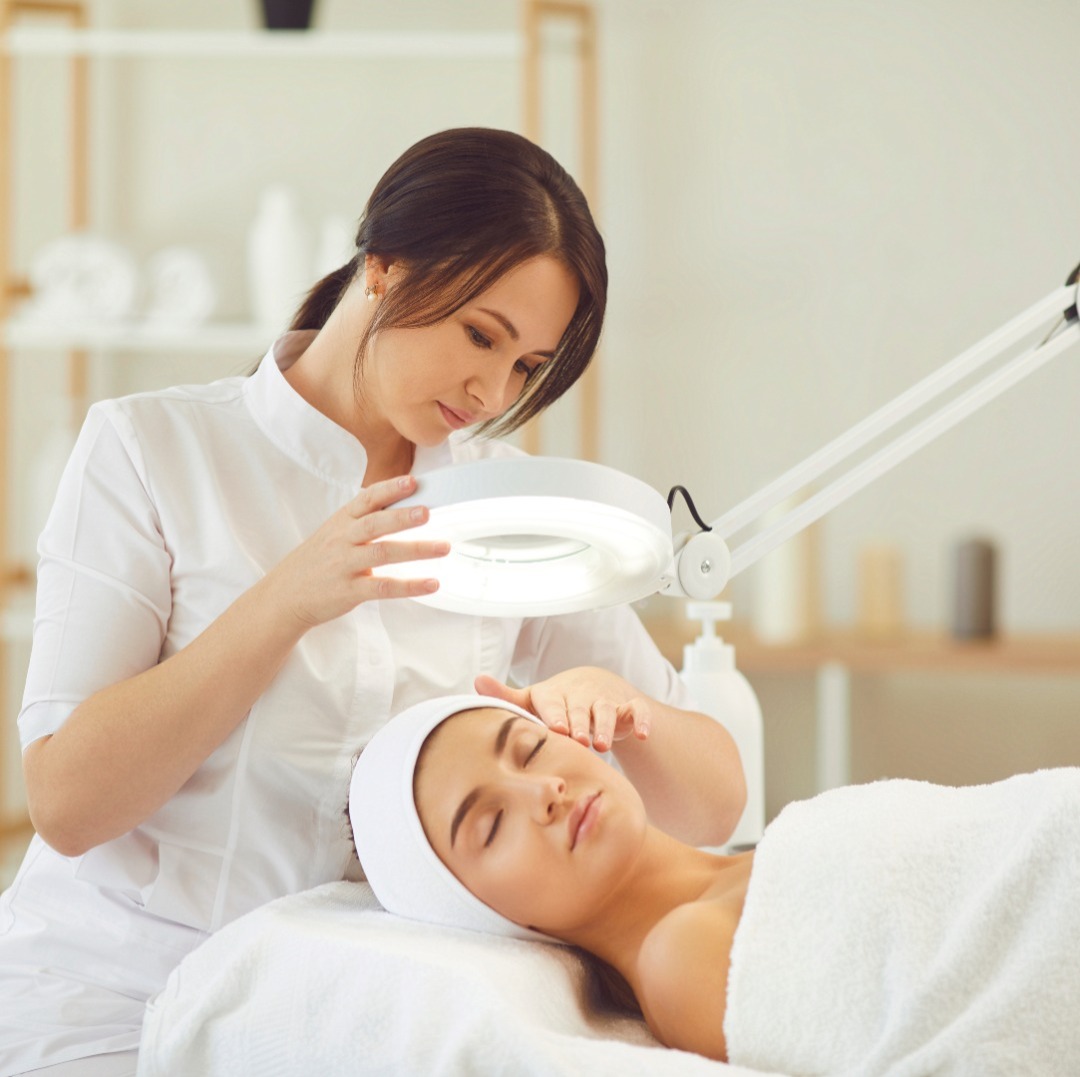
The first step begins with a dermatological examination. We evaluate your skin type, any skin problems you may have, and your general health. In light of this information, we create a skin care plan specifically for you. This plan usually includes deep cleansing, peeling, mask applications, serums, and moisturizing treatments. When necessary, we can refer you to special treatments such as acne treatment, spot treatment, or anti-aging.
The products and devices used in the medical skin care process are dermatologically tested and scientifically proven products. For example, in chemical peeling applications, we use special acids that clean the dead cells on the upper layer of the skin and allow it to renew. This process helps to reduce fine lines, spots and acne on the skin.
What should you expect after medical skin care? After the treatment, you will notice that your skin looks cleaner, more vibrant and healthier. Especially if you have medical skin care regularly, you can observe that your skin problems decrease and your skin is in a better condition overall. After the treatment, we can make some suggestions to protect your skin, such as using sunscreen.
Remember, medical skin care is a personalized process and each skin type requires different treatments. Therefore, it is important to consult a dermatologist before taking any steps regarding skin care.
Finally, medical skin care helps you to be at peace with your skin and feel better about yourself. Remember that it is important to take time for yourself and give your skin the attention it deserves. Healthy and vibrant skin not only positively affects your appearance, but also your inner peace and self-confidence.
Incorporating medical skincare into your skincare routine means investing in your skin for the long term. Providing your skin with the care it needs is important to delay signs of aging and alleviate existing skin conditions. Customized treatment plans offered as part of medical skincare meet the unique needs of your skin and help you achieve maximum results.

Prof. Dr. Nazan Yılmaz
View All Articles