
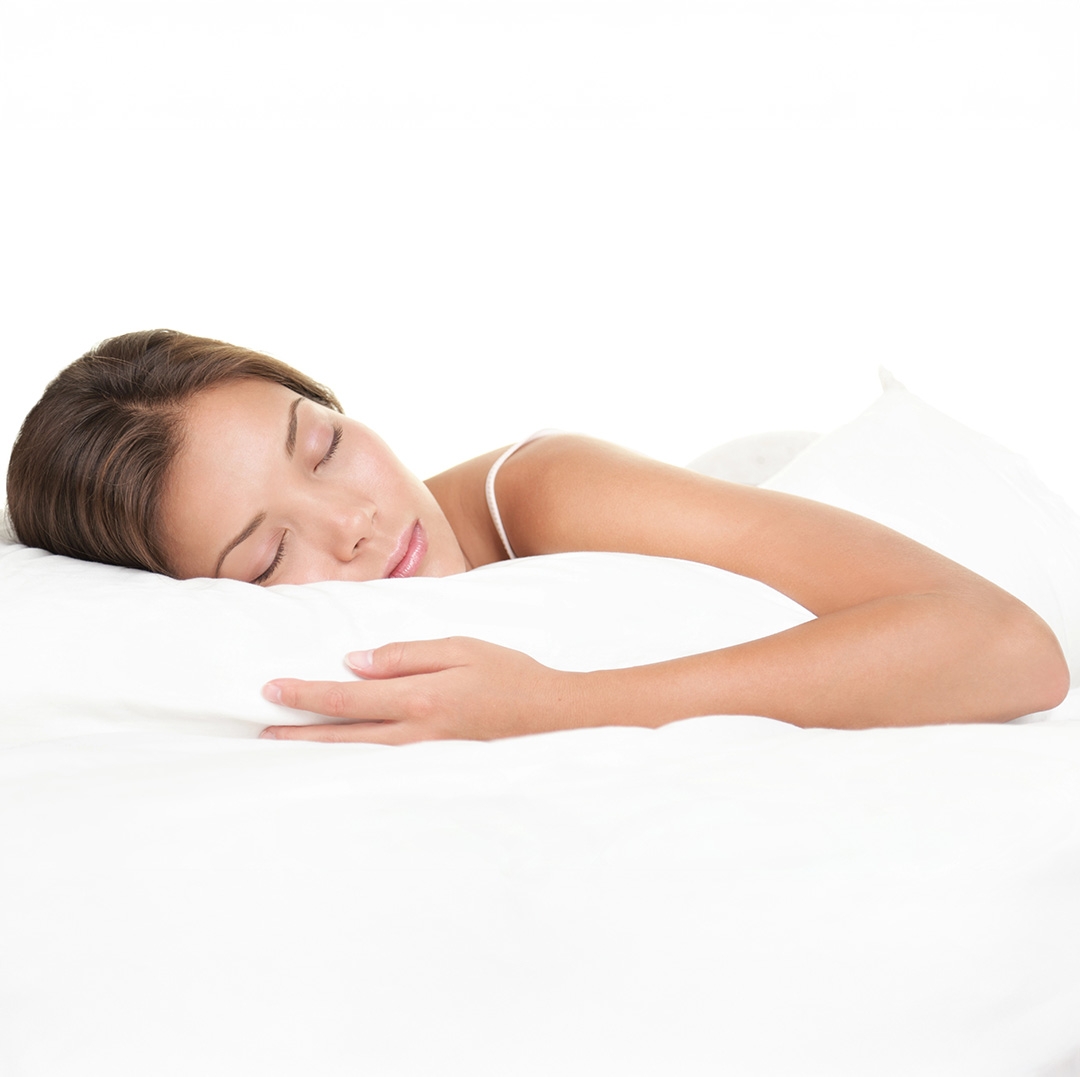
Does sleeping face down cause wrinkles? This is a common question among individuals concerned about skin aging. While wrinkles are primarily associated with age, genetics, sun exposure, and lifestyle factors, sleeping position can also influence the formation and depth of facial lines. From a dermatological perspective, repeated mechanical pressure and skin folding during sleep may contribute to the development of certain types of wrinkles over time.
In this article, I will examine how sleeping face down affects the skin, which types of wrinkles it may be associated with, and how the risk can be reduced—from a dermatologist’s clinical viewpoint.
How Does Sleeping Position Affect the Skin?
During sleep, the skin remains in the same position for several hours. When the face is pressed against a pillow:
- The skin folds and compresses
- Blood and lymphatic circulation may be temporarily restricted
- Subcutaneous tissues are exposed to continuous mechanical stress
At a young age, when skin elasticity is high, any pressure marks usually disappear quickly after waking. However, as collagen and elastin levels decrease with age, these folds may gradually become permanent.
Why Is Sleeping Face Down Considered More Risky?
When sleeping face down, a large portion of the face is in direct contact with the pillow. This creates uneven pressure, particularly on the:
- Forehead
- Eye area
- Nasolabial folds (between the nose and mouth)
- Cheeks and jawline
- Over time, this can lead to the formation of so-called “sleep lines.”
An important distinction is that wrinkles associated with sleeping positions tend to differ from expression lines. They often appear as vertical or diagonal creases, rather than lines caused by facial muscle movement.
Is There a Difference Between Sleeping Face Down and Side Sleeping?
Side sleeping also places pressure on one side of the face and may result in:
More pronounced wrinkles on one side
Asymmetrical signs of facial aging
Sleeping face down generally involves broader and more intense facial contact, which may increase the risk compared to side sleeping.
From a dermatological standpoint, sleeping on the back is considered the most neutral position for the skin.
Does Everyone Who Sleeps Face Down Develop Wrinkles?
No. Not everyone who sleeps face down will develop wrinkles early. Several factors influence individual risk:
Genetic predisposition
Skin type (thin and dry skin is more vulnerable)
History of sun damage
Smoking
Duration of the habit over many years
Therefore, sleeping face down should be viewed not as a direct cause, but as a contributing risk factor.
Sleep Wrinkles vs. Aging Wrinkles
Wrinkles related to sleeping position typically:
Are more noticeable in the morning
May partially fade during the day
Appear in areas of repeated contact with the pillow
As skin elasticity decreases over time, these lines may become permanent and merge with age-related wrinkles.
Can the Risk Be Reduced?
Even if changing sleep position entirely is difficult, certain measures may help reduce risk:
Transitioning to back sleeping: The most effective option, though it requires habit adjustment.
Choosing the right pillow: Softer pillows that minimize facial folding may help.
Using silk or satin pillowcases: These reduce friction compared to cotton fabrics.
Maintaining good skin hydration: Well-hydrated skin tolerates mechanical stress better.
Sun protection: Sun damage accelerates the permanence of sleep-related wrinkles.
While these measures are not a cure, they may contribute to long-term skin health.
When Should You Consult a Dermatologist?
If facial wrinkles:
- Increase asymmetrically
- Become prominent at a young age
- Are accompanied by noticeable loss of elasticity and dullness
a dermatological evaluation may be beneficial. Identifying the type and cause of wrinkles allows for a personalized skin care and treatment plan.
Frequently Asked Questions
Does sleeping face down definitely increase wrinkles?
No. However, years of repeated pressure may contribute to earlier and more noticeable wrinkle formation.
Is side sleeping or face-down sleeping worse for the skin?
Both create pressure on facial skin, but face-down sleeping generally involves greater contact and pressure.
Are sleep wrinkles reversible?
They may be temporary in early stages but can become permanent over time.
Do silk pillowcases really help?
They may reduce friction and mechanical stress on the skin.
Can sleep position cause wrinkles at a young age?
Yes. Individuals with thin or sensitive skin may notice effects earlier.
Is sleeping on the back best for the skin?
From a dermatological perspective, yes. It minimizes facial pressure and reduces wrinkle risk.

Editör
View All Articles