

What is elastin in the skin, and how can elastin loss be prevented? While collagen is frequently discussed in the context of skin aging, elastin often remains in the background despite being equally essential. Elastin is one of the key structural proteins that enables the skin to stretch and return to its original shape, adapt to facial expressions, and maintain its overall resilience. When elastin decreases, the skin may appear looser, less firm, and more prone to visible lines. Understanding what elastin is and why it diminishes over time is important for comprehending how the skin ages biologically.
In this article, I explain the role of elastin, the factors contributing to elastin loss, and the general principles that can help support its integrity—strictly for informational purposes, without product or treatment claims.
What Is Elastin? What Does It Do in the Skin?
Elastin is a protein found in the dermis and is responsible for giving connective tissue its elasticity. It forms the biological foundation of what we describe as “skin elasticity.” Elastin fibers:
- Allow the skin to return to its shape after stretching,
- Support smooth movement during facial expressions,
- Contribute to the durability of connective tissue,
- Help maintain the structure of facial contours.
While collagen is associated with strength and firmness, elastin is linked to flexibility and recoil capacity. The two work together; when one weakens, the overall structural harmony of the skin is affected.
How Is Elastin Produced?
The body produces the precursor of elastin—called tropoelastin—which eventually forms elastin fibers in the dermis. These fibers create an interconnected network that contributes to the skin’s elasticity.
A key biological feature of elastin is that its production is active in youth but significantly declines with age. Some studies suggest that elastin fibers renew very slowly—or sometimes not at all—after early adulthood. This means maintaining elastin integrity is biologically more feasible than trying to replace it after loss.
Why Does Elastin Decrease?
Elastin loss is a natural part of aging, but several factors can accelerate this process.
1. Natural Aging
Fibroblasts produce less elastin over time. Existing fibers lose their organized structure and become looser.
2. UV Exposure
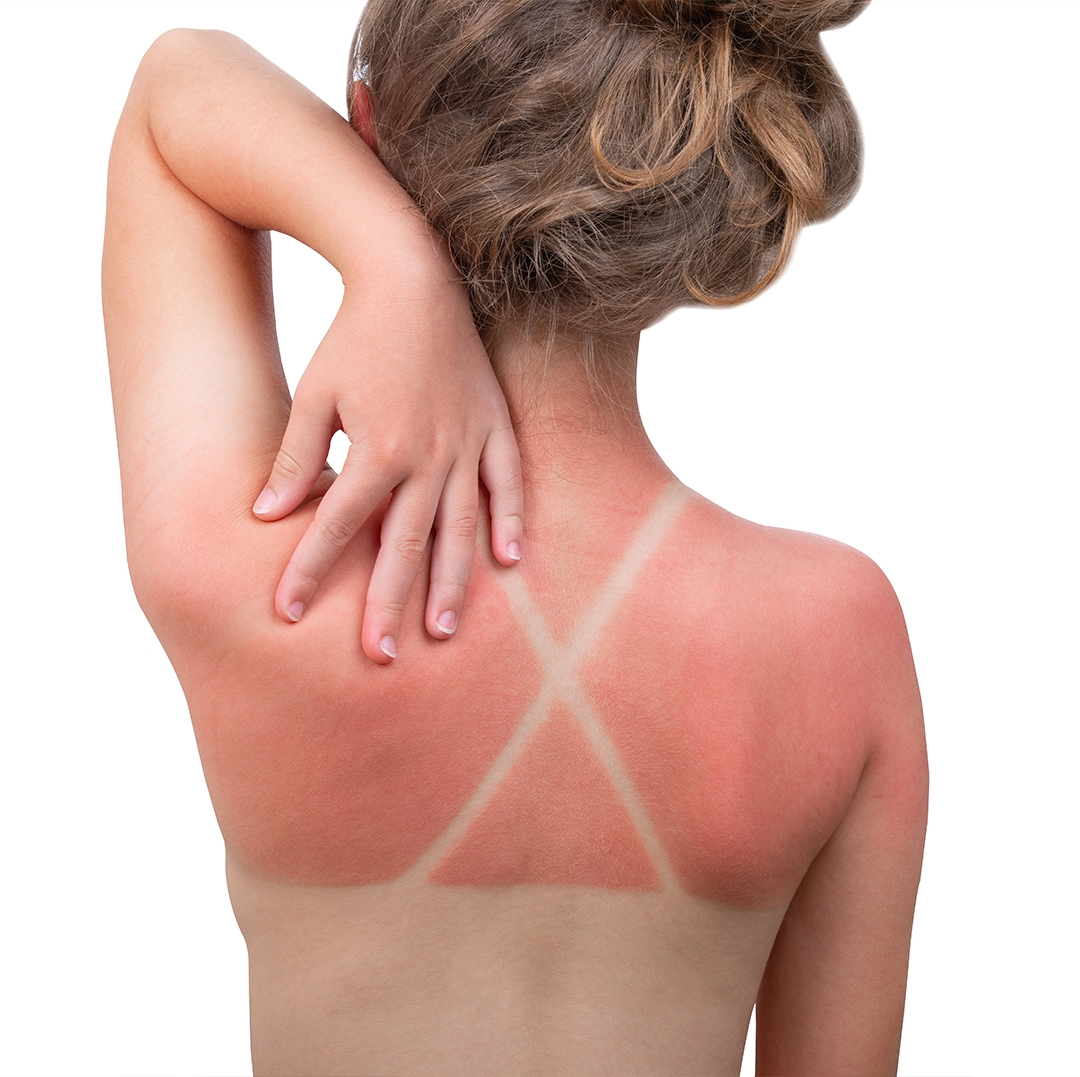
Sunlight affects elastin fibers. Long-term UV exposure may cause a condition called “solar elastosis,” characterized by disorganized, thickened elastin accumulation that leads to a coarse and aged appearance.
3. Genetics
Some individuals naturally have faster elastin breakdown due to genetic factors.
4. Free Radical Damage
Pollution, smoking, and oxidative stress can contribute to the deterioration of elastin fibers.
5. Hormonal Changes
Declining estrogen levels with age may affect skin elasticity.
How Does Elastin Loss Affect the Skin?
When elastin decreases, noticeable structural changes may appear:
- Reduced elasticity
- Increased sagging
- More prominent expression lines
- Softening of facial contours
- Loss of firmness around the neck and jawline
- A dull and fatigued appearance
- These signs vary widely from person to person.
How Can Elastin Loss Be Prevented? (General Information Only)
The following principles are general dermatological insights and not treatment recommendations.
1. Consistent Sun Protection
UV exposure is one of the biggest contributors to elastin breakdown. Sun protection helps maintain the stability of elastin fibers.
2. Maintaining Skin Moisture Balance
A well-hydrated barrier may better withstand external stressors that affect elastin.
3. Antioxidant-Rich Nutrition
Supporting the body’s antioxidant defenses can help manage free radical impact.
4. Regular, Quality Sleep
Adequate sleep supports cellular repair processes.
5. Avoiding Smoking and Heavy Pollution Exposure
Both increase oxidative stress that can weaken elastin.
6. Gentle, Non-Irritating Skincare Habits
Harsh exfoliation and irritating ingredients can disrupt the barrier and indirectly affect elastin health.
How Elastin Changes With Age
- Elastin is at its most dynamic level during youth.
- Production begins to slow in the 20s.
- Visible decline becomes more noticeable in the 30s.
- The 40s and 50s bring a more pronounced decrease in elasticity.
- In mature skin, fiber organization weakens further.
All of these changes are expected outcomes of natural biological aging.
Sık Sorulan Sorular
What exactly is elastin?
It is a fibrous protein in the dermis that gives the skin elasticity.
At what age does elastin loss become noticeable?
It generally accelerates after the 30s and becomes more visible over time.
Does UV exposure affect elastin?
Long-term UV exposure can disrupt elastin fiber structure.
How does elastin loss appear on the skin?
Elasticity decreases, sagging becomes more apparent, and expression lines may deepen.
Can elastin loss be completely prevented?
Natural aging cannot be halted, but supportive daily habits may help preserve elastin integrity.

Editör
View All Articles