
Does your skin sometimes get dry, itchy, red or even irritated? Perhaps the underlying cause of these symptoms could be eczema. Eczema, medically known as dermatitis, is a very common skin condition that causes inflammation and sensitivity on the skin. It can be seen in both children and adults and can seriously affect the quality of life.
In this article, we explain what eczema is, what types it has, and its most common symptoms in a friendly manner but without compromising scientific accuracy. Understanding what your skin is saying is the first step to proper care.
What is Eczema?
Eczema is a skin condition that occurs when the skin's protective barrier is disrupted, causing dry, itchy, red and sometimes crusty areas. Genetic factors, environmental factors and an overreaction of the immune system play a role in the development of eczema.
Although many people think of eczema as a single disease, there is actually more than one type. These different types can appear in different ways on different areas of the skin and in different age groups.
Types of Eczema
Atopic dermatitis is one of the most common types of eczema. It usually begins in childhood and is genetically transmitted. It can be seen together with other allergic diseases such as asthma or allergic rhinitis.
Contact dermatitis develops after the skin comes into contact with substances such as soap, detergent, perfume, etc. This condition may occur due to irritation or as an allergic response.
Seborrheic dermatitis is seen in oily areas such as the scalp, around the nose and behind the ears. It progresses with mild redness and crusting. It is known as "cradle cap" in babies.
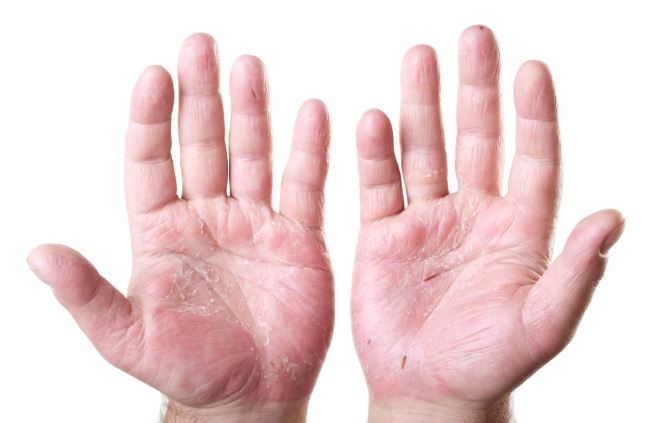
Dyshidrotic eczema presents with blisters on the palms and soles of the feet. It is often associated with stress and causes intense itching.
Eczema Symptoms
The most common symptom of eczema is intense itching. This itching can increase at night and even disrupt a person's sleep patterns. Scratching can further irritate the skin.
Dryness, redness and flaking of the skin are common. External factors such as cold weather or detergent contact may increase these symptoms.
In some types of eczema, small blisters may form on the skin. When these blisters burst, sensitivity and a burning sensation may occur on the skin surface.
In chronic eczema, the skin may thicken, harden and take on a dark color. This condition is called lichenification and usually develops as a result of long-term itching.
Causes of Eczema
There is no single cause of eczema. Genetic predisposition plays an important role. Individuals with a family history of eczema, asthma or allergic rhinitis are at higher risk.
Environmental factors can also be triggers. Allergens such as detergents, soaps, perfumes, pollen, dust, and animal hair can facilitate the onset of eczema.
Stress, sleep disorders, and certain immune system conditions can also contribute to eczema flare-ups, while food allergies can trigger atopic dermatitis, especially in infants and young children.
Eczema is a chronic condition that affects not only the appearance of the skin but also the individual's quality of life. It can be controlled with proper diagnosis and regular care. Since each type of eczema presents with its own unique symptoms, the treatment plan should be personalized.
If you have persistent itching, rash, redness or sensitivity on your skin, the healthiest step is to consult a dermatologist without taking these symptoms lightly. With early diagnosis and correct treatment, eczema symptoms can be greatly alleviated.

Editör
View All Articles