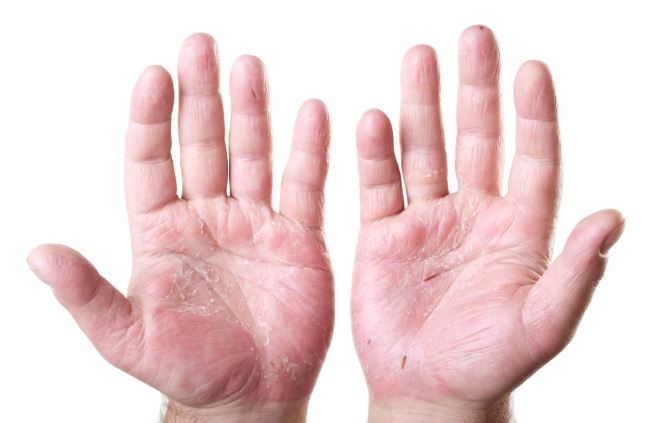

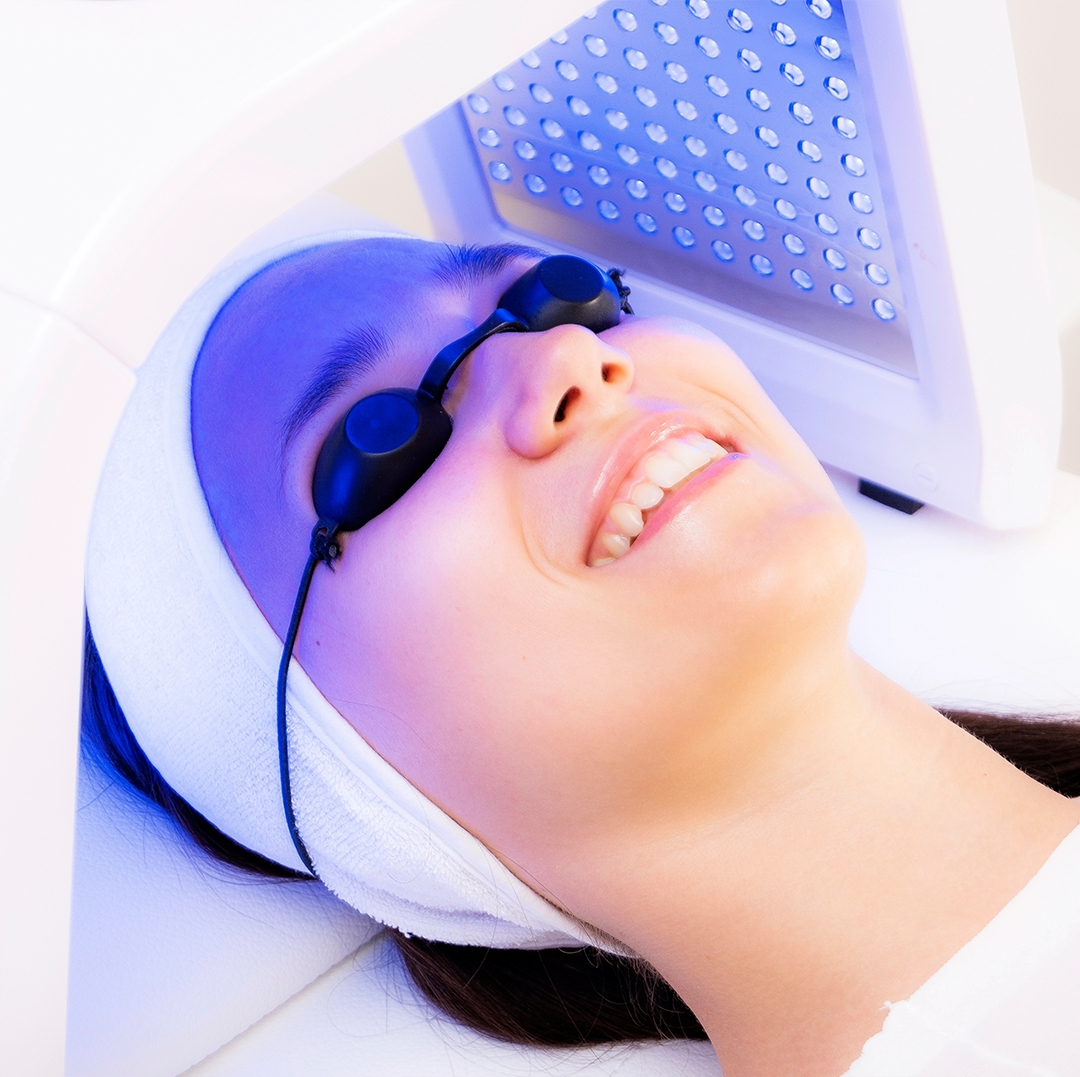
What is phototherapy, and which skin conditions is it used for? This is a common question among patients who have been undergoing treatment for chronic skin diseases for a long time. Phototherapy is a scientifically established treatment method in dermatology that involves the controlled use of specific wavelengths of light. With the right indication, appropriate dosing, and regular follow-up, phototherapy can provide effective and safe results for many skin conditions.
In this article, We will explain what phototherapy is, how it works, and which skin diseases it is commonly used for—from a dermatologist’s clinical perspective.
What Is Phototherapy?
Phototherapy refers to the medical use of ultraviolet (UV) light or specific light wavelengths applied to the skin under controlled conditions. The light used in treatment is not random sunlight; it is delivered by medical devices at carefully determined doses and durations.
The most commonly used types of phototherapy in dermatology are:
- UVB phototherapy (narrowband UVB)
- PUVA (psoralen + UVA)
- UVA1 phototherapy
Each method differs in terms of depth of penetration, indications, and side-effect profile.
How Does Phototherapy Work on the Skin?
The primary effect of phototherapy is its ability to regulate abnormal or excessive immune responses in the skin. In many skin diseases, the underlying problem is overactivity of immune cells.
Through phototherapy:
- Inflammatory cell activity is suppressed
- Excessive skin cell proliferation is slowed
- Redness and itching are reduced
- Immune balance in the skin is restored
This mechanism makes phototherapy especially valuable in chronic and recurrent conditions.
Which Skin Diseases Is Phototherapy Used For?
1. Psoriasis
One of the most common and successful uses of phototherapy is in psoriasis. Narrowband UVB is particularly effective in patients who:
- Have widespread plaques
- Do not respond adequately to topical treatments
- Prefer to avoid long-term systemic medications
2. Eczema (Atopic Dermatitis)
In moderate to severe atopic dermatitis, phototherapy can:
- Reduce itching
- Soothe redness and inflammation
- Decrease the need for topical corticosteroids
It is especially useful in adults with frequent flare-ups.
3. Vitiligo
In vitiligo, phototherapy can stimulate pigment cells and support repigmentation. Narrowband UVB is the most commonly used method.
- It is more effective in early stages
- Requires regular and long-term treatment
- Response rates vary between individuals
4. Chronic Itching Disorders
In chronic pruritus of unclear cause, phototherapy may:
- Reduce nerve sensitivity
- Help break the itch–scratch cycle
- This can significantly improve quality of life.
5. Lichen Planus and Other Inflammatory Skin Diseases
In certain inflammatory skin conditions, phototherapy can help control symptoms by modulating immune activity in the skin.
6. Mycosis Fungoides (Early Stages)
In early-stage forms of certain cutaneous lymphomas, phototherapy is one of the treatment options used in dermatology. These patients require close and careful monitoring.
Is Phototherapy Suitable for Everyone?
No. Phototherapy is not appropriate for every patient. Careful evaluation is required in individuals who:
- Have extreme sensitivity to sunlight
- Have certain genetic conditions
- Have a history of skin cancer
- Use medications that cause photosensitivity
For this reason, the decision to start phototherapy must always be made by a dermatologist.
How Is Phototherapy Administered?
Phototherapy is typically given:
- 2–3 sessions per week
- Over a defined treatment period
- With gradual dose increases
Each session is brief, but the overall treatment course may last weeks or even months. Consistency is crucial for treatment success.
Are There Any Side Effects?
When properly dosed and monitored, side effects are usually mild and temporary. They may include:
- Mild redness
- Dryness
- Temporary itching
Long-term or uncontrolled exposure may increase the risk of premature aging and skin cancer, which is why phototherapy must always be supervised by a physician.
Is Phototherapy the Same as Sunbathing?
No. This is a common misconception. Phototherapy is:
- Controlled
- Measured
- Medically supervised
Sunbathing, on the other hand, involves uncontrolled and potentially harmful UV exposure. Phototherapy aims to use the therapeutic effects of UV light, not its damaging aspects.
Does Phototherapy Provide a Permanent Cure?
Phototherapy generally provides disease control rather than a permanent cure. The goals are to:
- Suppress disease activity
- Reduce flare-ups
- Improve quality of life
In some patients, long-term remission can be achieved.
When Should You See a Dermatologist?
Dermatological evaluation is recommended if:
- A skin disease is widespread and chronic
- Topical treatments are ineffective
- Systemic medications are undesirable
- Itching and redness significantly affect daily life
A dermatologist can determine whether phototherapy is an appropriate treatment option.
Frequently Asked Questions
Is phototherapy safe?
Yes, when appropriate patient selection and medical supervision are ensured.
How many phototherapy sessions are needed?
It varies by condition but usually continues for several weeks.
Can every psoriasis patient receive phototherapy?
No. Disease extent and overall health must be evaluated.
Is phototherapy painful?
No. It is a painless treatment.
Can sunbathing replace phototherapy?
No. Sunbathing is not a medical treatment and can be harmful.
When should I consult a doctor?
If a skin condition cannot be adequately controlled, a dermatology consultation is recommended.

Editör
View All Articles