

What is sun-sensitive skin, and who is more likely to have it? This is a common question among individuals who experience redness, burning, rashes, or pigmentation after sun exposure. While sunlight is essential for life, some skin types react far more intensely than normal. This condition is known as sun-sensitive skin and is not merely a cosmetic issue—it is a dermatological condition that requires careful attention.
In this article, I will explain what sun-sensitive skin means, why it develops, who is more prone to it, and when dermatological evaluation is necessary, from a dermatologist’s clinical perspective.
What Is Sun-Sensitive Skin?
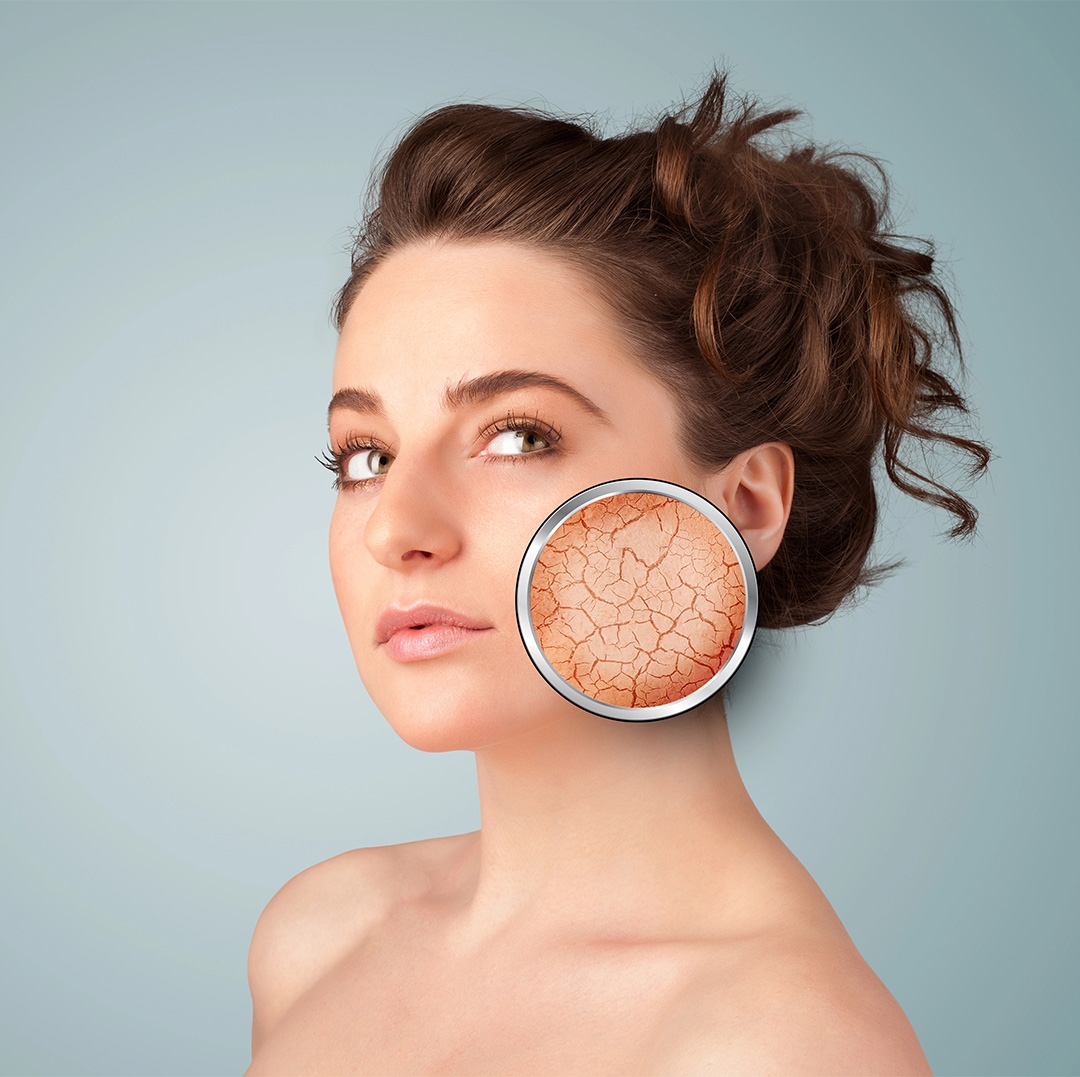
Sun-sensitive skin refers to skin that has a lower tolerance to ultraviolet (UV) radiation than normal. Even short periods of sun exposure may lead to:
- Redness
- Burning or stinging sensations
- Itching
- Rashes
- Hyperpigmentation
These reactions do not always present as a classic sunburn. In many cases, they appear as mild but recurring skin responses.
Why Does Sun Sensitivity Develop?
Sun-sensitive skin does not result from a single cause. In most cases, multiple factors act together.
1. Skin Type and Genetic Factors
People with fair skin, light-colored eyes, and freckles have lower levels of melanin. Melanin is the skin’s natural pigment that provides protection against UV radiation. Lower melanin levels reduce the skin’s natural defense, making sun sensitivity more common in fair-skinned individuals.
2. A Weakened Skin Barrier
The skin barrier is the first line of defense against environmental damage. When it is compromised, UV rays penetrate more easily into deeper layers of the skin.
Factors that weaken the skin barrier include:
- Excessive exfoliation
- Harsh cleansers
- Improper cosmetic use
- Skin conditions such as eczema
All of these can increase sun sensitivity.
3. Certain Skin Diseases
Some dermatological conditions significantly increase sensitivity to sunlight, including:
- Rosacea
- Atopic dermatitis
- Autoimmune diseases such as lupus
- Photodermatoses
In these conditions, sunlight may not only irritate the skin but also trigger disease flare-ups.
4. Medication-Induced Sun Sensitivity
Certain medications can make the skin more reactive to sunlight, a condition known as photosensitivity. These include:
- Some antibiotics
- Acne medications
- Retinoids
- Certain painkillers and herbal supplements
When sun exposure occurs while using these medications, skin reactions may be more severe than expected.
5. Hormonal Changes
Pregnancy, hormonal contraceptives, and hormonal fluctuations can alter how the skin responds to sunlight. This is often associated with increased pigmentation and heightened sensitivity.
Who Is More Likely to Have Sun-Sensitive Skin?
Sun-sensitive skin is more commonly seen in:
- Fair-skinned individuals
- Children and older adults
- People with sensitive or dry skin
- Individuals with chronic skin conditions
- Those using photosensitizing medications
- People with a history of frequent sunburns
In these groups, sun protection is not optional—it is essential.
What Are the Symptoms of Sun-Sensitive Skin?
Symptoms vary from person to person but commonly include:
- Redness shortly after sun exposure
- Burning or tenderness
- Small bumps or rashes
- Increased itching after sun exposure
- Persistent or recurring pigmentation
If these symptoms occur repeatedly with sun exposure, the skin is considered sun-sensitive.
Is Sun-Sensitive Skin the Same as Sun Allergy?
No. Sun sensitivity refers to a general intolerance to UV exposure, while a sun allergy (such as polymorphic light eruption) is a more specific immune-mediated condition. Because their clinical presentations may overlap, differentiation should be made by a dermatologist.
How Should Sun-Sensitive Skin Be Protected?
Protection is the cornerstone of management for sun-sensitive skin:
- Daily use of broad-spectrum (UVA + UVB) sunscreen
- Avoiding sun exposure between 11:00 a.m. and 4:00 p.m.
- Wearing hats, sunglasses, and protective clothing
- Using soothing post-sun skincare products
- Avoiding products that may increase photosensitivity
Protection strategies should be individualized, as sunscreen alone may not always be sufficient.
When Should You See a Dermatologist?
Dermatological evaluation is recommended if:
- The skin reacts every time it is exposed to sunlight
- Rashes last longer than a few days
- Pigmentation becomes persistent
- Symptoms worsen while using certain medications
- Sun exposure is accompanied by systemic symptoms
Using products without an accurate diagnosis may worsen sensitivity.
Frequently Asked Questions
Is sun-sensitive skin permanent?
It depends on the cause. Some cases are temporary, while others may be long-term.
Is sunscreen alone enough?
No. Physical protection and lifestyle adjustments are also necessary.
Can sun sensitivity develop later in life?
Yes. Medications, skin diseases, or hormonal changes can cause it to appear later.
Is tanning harmful for sun-sensitive skin?
Yes. Tanning is a sign of skin damage, not protection.
Can children have sun-sensitive skin?
Yes. Children’s skin is more delicate and therefore more vulnerable.
When should I consult a doctor?
If sun-related skin reactions are recurrent or worsening, a dermatology consultation is advised.

Editör
View All Articles