
“What is the skin barrier, why does it get damaged, and how can you repair it?” is one of the most frequently searched questions in skincare today. Many common skin problems — dryness, redness, acne, sensitivity, dullness — actually stem from a compromised skin barrier.
The skin barrier is your skin’s first line of defense. When it’s damaged, not only does your complexion look dull and irritated, but your overall skin health also suffers.
What Is the Skin Barrier?
The skin barrier refers to the outermost layer of the epidermis, known as the stratum corneum.
It’s made up of dead skin cells (corneocytes) held together by a layer of lipids — including ceramides, cholesterol, and fatty acids — forming what dermatologists often call the “brick-and-mortar model”:
Cells act as the bricks.
Lipids act as the mortar.
This structure:
- Prevents water loss (TEWL — transepidermal water loss)
- Shields the skin from external irritants, bacteria, and pollution
- Maintains optimal pH balance
- Supports a healthy acid mantle
- In short, a strong skin barrier means soft, hydrated, and resilient skin.
What Damages the Skin Barrier?
While the skin barrier is naturally resilient, it can easily be weakened by over-cleansing, harsh products, and environmental stressors. The most common culprits include:
1. Over-Cleansing and Harsh Products
Frequent washing or using soaps with a high pH strips the skin’s natural oils.
This leads to tightness, burning, and dryness — all signs of barrier disruption.
2. Overuse of Actives
Over-exfoliating with AHAs, BHAs, or retinol thins the skin’s protective layer.
This often results in redness, peeling, and increased sensitivity.
3. Cold Weather and Low Humidity
Dry air, especially in winter, increases water evaporation from the skin and weakens the lipid layer.
4. Sun Exposure
UV radiation generates free radicals that break down the skin’s lipid barrier.
That’s why sunscreen is vital not just for preventing pigmentation, but also for maintaining barrier health.
5. Wrong Skincare Products
Alcohol, fragrance, and high acid concentrations can irritate sensitive skin and cause microdamage.
6. Stress and Lack of Sleep
High cortisol levels slow down cell renewal, while poor sleep impairs the skin’s natural overnight repair process.
Signs of a Damaged Skin Barrier
When the skin barrier is compromised, the symptoms are clear and persistent:
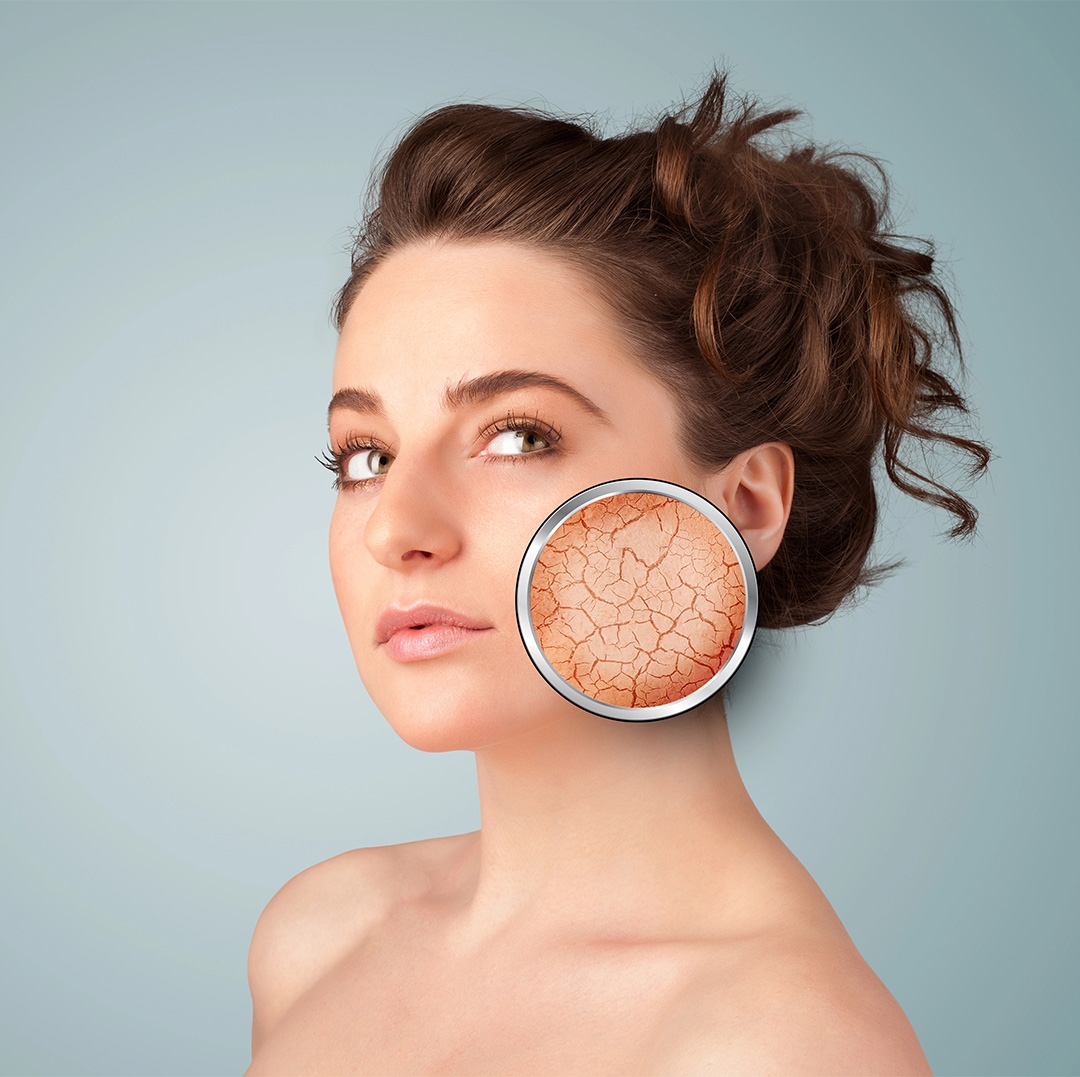
- Chronic dryness, tightness, or flaking
- Redness or a mild burning sensation
- Itchiness and hypersensitivity
- Stinging after applying skincare
- Dull, uneven texture
- Small breakouts or irritation
If your skin feels “reactive” to every product, it’s a sign your barrier needs repair.
How to Repair the Skin Barrier
The good news? A damaged skin barrier can be fully repaired with consistency and gentle care.
Here’s how dermatologists recommend restoring it step by step:
1. Simplify and Use Gentle Cleansers
Stop over-cleansing. Wash your face twice daily at most using fragrance-free, sulfate-free, pH-balanced cleansers (around pH 5.5). Avoid hot water.
2. Moisturize — and Then Moisturize Again
Hydration is the foundation of barrier repair. Look for moisturizers containing:
Ceramides – rebuild the lipid structure
Niacinamide – reduces redness and strengthens barrier function
Hyaluronic Acid – retains moisture in the skin
Squalane – replenishes essential fatty acids
Apply while the skin is still slightly damp to lock in moisture effectively.
3. Pause Active Ingredients
If your skin barrier is damaged, take a break from acids (AHA/BHA), retinol, or vitamin C for a few weeks. Once your skin recovers, reintroduce them slowly.
4. Never Skip Sunscreen
UV exposure worsens barrier damage. Use broad-spectrum SPF 30+ daily — even indoors or on cloudy days.
5. Support from Within
Eat foods rich in omega-3 fatty acids, zinc, and vitamin E.
A balanced diet and 7–8 hours of sleep help your skin repair from the inside out.
How Long Does Skin Barrier Repair Take?
Depending on the severity, healing can take anywhere from 2 to 8 weeks.
Mild tightness, flaking, and sensitivity during recovery are normal.
The key is consistency: moisturizer + sunscreen + patience — and absolutely no harsh products.
Tips for Maintaining a Healthy Skin Barrier
- Don’t over-cleanse or use very hot water.
- Moisturize morning and night, every day.
- Always wear sunscreen, year-round.
- Introduce new products slowly and one at a time.
- Stay hydrated, eat balanced meals, and get enough rest.
Think of your skin barrier as your armor — it protects everything underneath.
When it’s compromised, it leaves your skin vulnerable to irritation, sensitivity, and premature aging.
A good skincare routine isn’t about more products, it’s about protecting your barrier first.
Frequently Asked Questions
1. What is the skin barrier?
It’s the outer layer of the skin (stratum corneum) made of cells and lipids that protect against moisture loss and external irritants.
2. What causes skin barrier damage?
Over-cleansing, over-exfoliation, harsh products, sun exposure, stress, and low humidity are common causes.
3. How do I know if my skin barrier is damaged?
Dryness, redness, stinging, flakiness, and sensitivity after applying products are clear warning signs.
4. How can I repair a damaged skin barrier?
Use ceramide- and niacinamide-rich moisturizers, avoid strong actives, and protect your skin daily with SPF 30+.
5. How long does it take to heal the skin barrier?
It usually takes 2–8 weeks with consistent hydration, gentle cleansing, and sun protection.

Editör
View All Articles