What is transepidermal water loss (TEWL), and how can it be prevented? As research on the skin barrier has increased in recent years, TEWL has become a frequently discussed concept in both dermatology and daily skincare. Many people wonder why their skin dries out quickly, why it becomes easily irritated, or why it feels tight only a few hours after applying moisturizer. The root of these complaints is often a weakened skin barrier and increased transepidermal water loss.
In this article, I explain what TEWL is, how it works biologically, what increases it, and which general principles can help manage it—strictly for informational purposes, fully aligned with medical advertising regulations.
What Is TEWL?
TEWL (Transepidermal Water Loss) refers to the amount of water that naturally evaporates from the surface of the skin.
This is a continuous, physiological process.
However, when evaporation increases excessively, the skin:
- Becomes dry
- Becomes more sensitive
- Feels tight
- Becomes more prone to redness
- Becomes less resistant to external factors
Therefore, TEWL is considered one of the key indicators of skin health.
How Does the Skin Barrier Control TEWL?
The skin barrier is formed by three fundamental components:
- The stratum corneum (outermost layer)
- The lipid (oil) layer
- Natural Moisturizing Factors (NMF)
These structures work together to retain moisture and protect against environmental irritants.
The stratum corneum is often described with the “brick-and-mortar model”:
Corneocytes = bricks
Lipids = mortar
If the lipid mortar weakens, water escapes more easily, and TEWL increases.
Once that happens, the skin becomes unable to retain moisture effectively.
What Happens When TEWL Increases?
High TEWL leads to several noticeable changes:
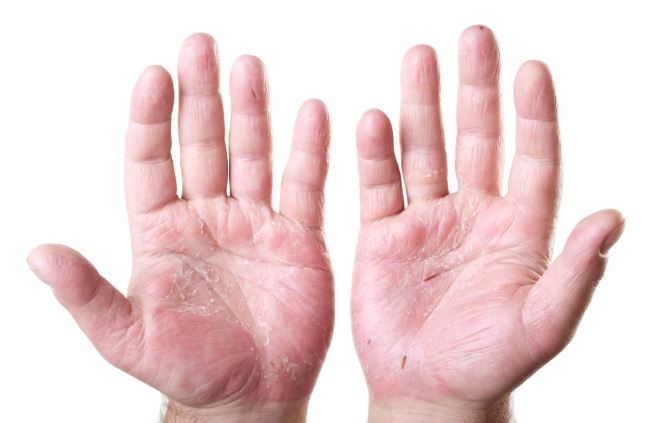
Increased dryness and flaking
Faster moisture loss
More visible fine lines
Increased redness and sensitivity
Burning or stinging sensations
Higher irritation tendency
A weakened barrier
Many people describe increased TEWL as:
“My skin feels great right after moisturizing, but a few hours later it’s dry again.”
What Causes TEWL to Increase? Scientific Factors
TEWL can rise due to environmental or structural reasons.
1. Cold and Windy Weather
Cold air accelerates evaporation; wind increases it even further.
2. Hot Showers
Hot water dissolves surface lipids, weakening the barrier.
3. Over-Washing or Using Harsh Cleansers
High-pH, alkaline products can disrupt the lipid layer.
4. Low Humidity Levels
Especially indoors during winter, low humidity increases evaporation.
5. Aging
With age:
Lipid production decreases
Collagen synthesis slows
The skin becomes more prone to water loss
6. Sun Exposure
UV light can impair the lipid structure of the skin.
7. Atopic Skin Structure
Individuals with atopic tendencies often have naturally higher TEWL.
8. Incorrect Product Use
Over-exfoliation, strong irritants, and alcohol-heavy products weaken the barrier.
Which Skin Types Experience TEWL More Easily?
Each skin type responds to TEWL differently.
Dry Skin
Most sensitive to lipid loss; TEWL increases quickly.
Sensitive Skin
Has a fragile barrier, making it reactive to small changes.
Oily Skin
Often assumed to be “strong,” but harsh cleansing can increase TEWL.
Atopic Skin
Genetically prone to barrier weakness and high TEWL.
Mature Skin
Reduced lipid production increases susceptibility to water loss.
Is TEWL the Same as Dehydration?
No.
Dehydration refers to low water content in the skin.
TEWL refers to how fast the skin loses water.
If TEWL is high, the skin may lose moisture rapidly even with frequent moisturization.
How Can TEWL Be Reduced? (General Information Only)
The following principles are informational, not product or treatment recommendations.
1. Use Gentle, pH-Balanced Cleansers
Helps maintain barrier integrity.
2. Avoid Excessive Washing
Frequent washing strips essential lipids.
3. Prefer Lukewarm Water
Hot water dissolves the lipid layer faster.
4. Moisturize Regularly
Supports the skin’s ability to retain moisture.
5. Avoid Rubbing or Scrubbing the Skin
Friction weakens the barrier.
6. Limit Over-Exfoliation
Both chemical and physical over-exfoliation increase TEWL.
7. Maintain Adequate Air Humidity Indoors
Dry indoor environments significantly increase evaporation.
8. Practice Sun Protection
UV exposure weakens the barrier and increases TEWL.
TEWL and Barrier Repair: How Are They Connected?
As the barrier heals, TEWL decreases.
As TEWL decreases, the barrier becomes stronger.
This is a mutually supportive cycle dependent on:
- Balanced pH
- Healthy lipid production
- Stable microbiota
- Adequate natural moisturizing factors
Can TEWL Be Measured?
Yes.
Authorized healthcare professionals can measure TEWL using specialized devices to assess:
- Barrier status
- Degree of water loss
- Effects of supportive care
Does Increased TEWL Accelerate Skin Aging?
Indirectly, yes.
High TEWL contributes to:
- Lipid depletion
- Barrier dysfunction
- Increased inflammation
- Disturbed moisture balance
These factors can accelerate the appearance of aging signs.
Frequently Asked Questions
What exactly is TEWL?
It is the natural evaporation of water from the surface of the skin.
What happens if TEWL increases?
Dryness, sensitivity, tightness, and barrier weakness may develop.
What raises TEWL?
Cold weather, hot showers, harsh cleansers, UV exposure, and low humidity.
How can TEWL be reduced?
Gentle cleansing, regular moisturizing, and avoiding irritants can help.
Can TEWL be measured?
Yes, with specialized dermatological devices.

Editör
View All Articles