

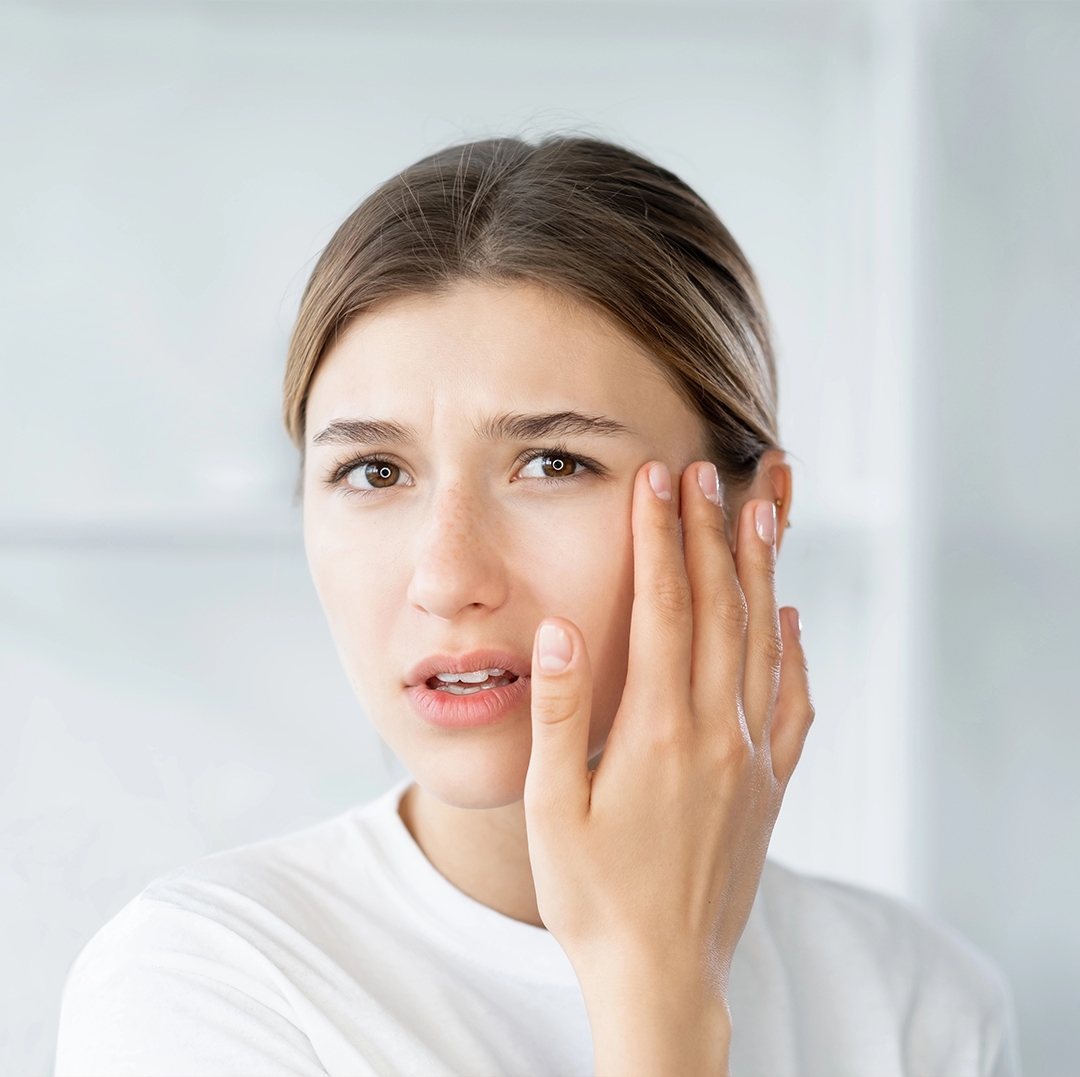
Clinical treatments for eye wrinkles are among the most preferred solutions for addressing crow’s feet and fine lines, which are often the earliest signs of aging. The skin around the eyes is thinner and more delicate than the rest of the face, making it more vulnerable to both environmental factors and repeated facial expressions. Thanks to modern aesthetic dermatology methods, it is now possible to reduce the appearance of wrinkles around the eyes and achieve a fresher, more youthful look.
Why Do Eye Wrinkles Form?
Aging: Loss of collagen and elastin becomes more apparent around the thin eye area.
Facial Expressions: Constant smiling, squinting, or frowning accelerate wrinkle formation.
Sun Damage: UV rays break down collagen and deepen existing lines.
Loss of Moisture: The eye area has fewer oil glands, leading to dryness.
Genetics: Some individuals naturally develop wrinkles earlier.
Can eye wrinkles be completely prevented? No. But with the right care and treatments, their onset can be delayed and their appearance minimized.
Botulinum Toxin (Botox)
One of the most common treatments for eye wrinkles, Botox temporarily relaxes the muscles, softening expression lines.
Advantage: Quick procedure, results visible in 3–4 days.
Disadvantage: Temporary effect, usually lasting 4–6 months.
Does Botox create a “frozen” look? Not when applied correctly. With proper dosage and technique, natural facial expressions remain intact.
Dermal Fillers
Hyaluronic acid-based fillers restore lost volume and smooth out fine lines, especially useful for hollowness under the eyes.
Botox reduces muscle movement, while fillers restore lost volume. Used together, they often deliver the best results.
Laser Treatments
Fractional CO2 and Er:YAG lasers create controlled microdamage on the skin surface, stimulating collagen production and reducing wrinkles over time.
Advantage: Long-term collagen stimulation.
Disadvantage: Temporary redness and flaking during recovery.
Is laser treatment safe around the eyes? Yes—when performed by a dermatologist using appropriate settings.
Chemical Peels
Mild chemical peels with AHAs or retinoic acid can soften fine lines around the eyes.
Best for early, superficial wrinkles.
Not sufficient for deeper lines on their own.
PRP (Platelet-Rich Plasma)
Plasma derived from the patient’s own blood is injected into the eye area. Growth factors stimulate collagen production, improving skin vitality.
How long does PRP last? After 3–4 sessions, results can last for years, but maintenance treatments are recommended.
Microneedling and Radiofrequency (RF Microneedling)
Microneedling creates micro-channels that trigger skin repair, and when combined with radiofrequency, it delivers stronger tightening effects.
Is microneedling safe for the eye area? Yes, when performed by an experienced specialist.
HIFU (High-Intensity Focused Ultrasound)
HIFU targets deeper layers with focused ultrasound energy, tightening the skin around the eyes. It is especially effective in middle-aged patients.
Which Treatment Is Right for You?
Younger patients: Botox or light peels for early wrinkles.
Middle age: Combination of fillers, lasers, and PRP for more noticeable lines.
Older age: HIFU and laser treatments combined for stronger results.
Combination therapies are usually the most effective.
Aftercare Tips
Protect the area from sun exposure.
Use hydrating and barrier-repairing products.
Follow dermatologist-recommended maintenance schedules.
Eye wrinkle treatments must be personalized. With options like Botox, fillers, laser therapy, PRP, microneedling, and HIFU, it is possible to achieve smoother, fresher, and more youthful-looking skin. With regular maintenance and professional guidance, results can be extended for longer periods.
Frequently Asked Questions
What’s the most effective treatment for eye wrinkles?
There’s no single best option—Botox, fillers, and lasers combined yield optimal results.
Which is better: Botox or fillers?
Botox reduces muscle activity, while fillers restore volume. They are often used together.
Does laser treatment leave scars?
No, when performed by a qualified dermatologist, lasers do not leave permanent marks.
Is PRP safe for the eye area?
Yes. Since it uses the patient’s own blood, there is no risk of allergic reaction.
Are results permanent?
No. Results typically last from 6 months to a few years, but can be maintained with repeat sessions.

Editör
View All Articles