
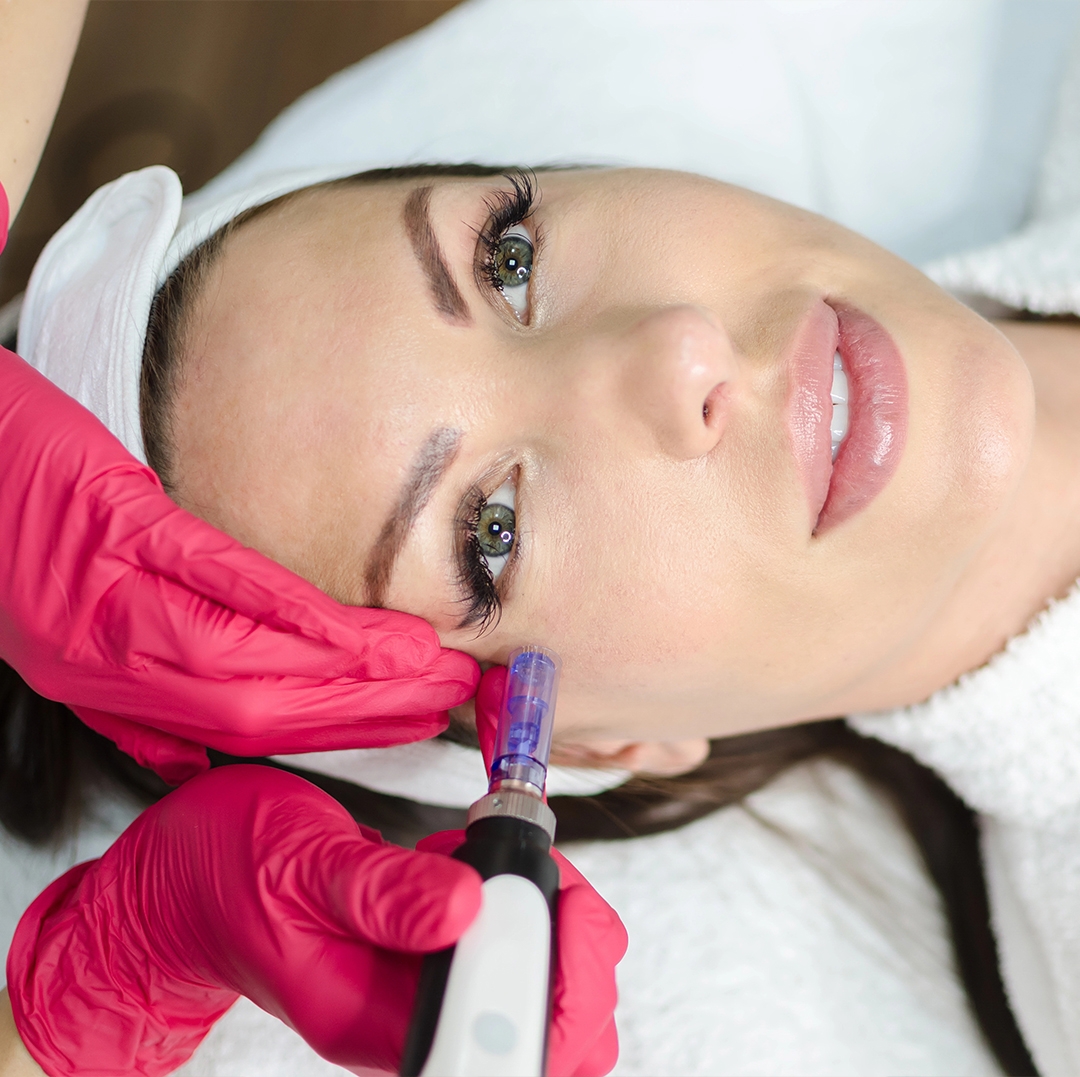
What is microneedling (Dermapen), and how does it work? In recent years, this method has become one of the most frequently researched skincare approaches, especially by individuals seeking to improve dullness, uneven skin tone, surface irregularities, and early signs of elasticity loss. Many patients visiting dermatology clinics often ask, “How can I make my skin look more refreshed?” or “What can I do to soften the appearance of surface imperfections?” Microneedling is one of the supportive methods commonly explored in this context.
In this article, I explain what microneedling is, how it interacts with skin biology, in which situations people typically research it, and why it has gained significant popularity—strictly within an informational, non-promotional framework in accordance with medical advertising regulations.
What Is Microneedling (Dermapen)?
Microneedling is a skincare approach that involves creating controlled, microscopic channels on the skin’s surface to stimulate its natural renewal processes. These channels are extremely small—often invisible to the naked eye—and their purpose is to activate the skin’s own repair mechanisms.
The device commonly known as Dermapen uses tiny needles at its tip to create these microchannels. The aim is to:
- Support the skin’s renewal cycle
- Enhance surface vitality
- Contribute to a more even-looking skin tone
- Help soften the appearance of fine lines and marks
- Promote a smoother and more uniform surface texture
- All of these effects are based on the skin’s own biological response.
How Does Microneedling Affect the Skin?
Microneedling works by triggering the skin’s natural healing cycle through a mechanism known as controlled micro-injury. This process can be understood in three main stages:
Formation of Microchannels: A Controlled Stimulus
The microchannels created on the skin surface activate the body’s repair response. The skin reads this as a signal to accelerate renewal. This may help the epidermis regenerate in a more organized and balanced manner.
Increased Cellular Turnover
Following microneedling, the skin may experience:
- Enhanced keratinocyte turnover
- A more balanced epidermal thickness
- A smoother and more uniform surface
- This contributes to a healthier and more refined skin appearance.
Stimulation of Collagen and Elastin Production
Microneedling is considered a collagen-supportive skincare approach.
During the repair of microchannels, the skin naturally increases:
- Collagen synthesis
- Elastin fiber organization
- Structural firmness and compactness
This is why microneedling is often discussed as a method that supports collagen production, which naturally declines with age.
In Which Situations Is Microneedling Commonly Researched?
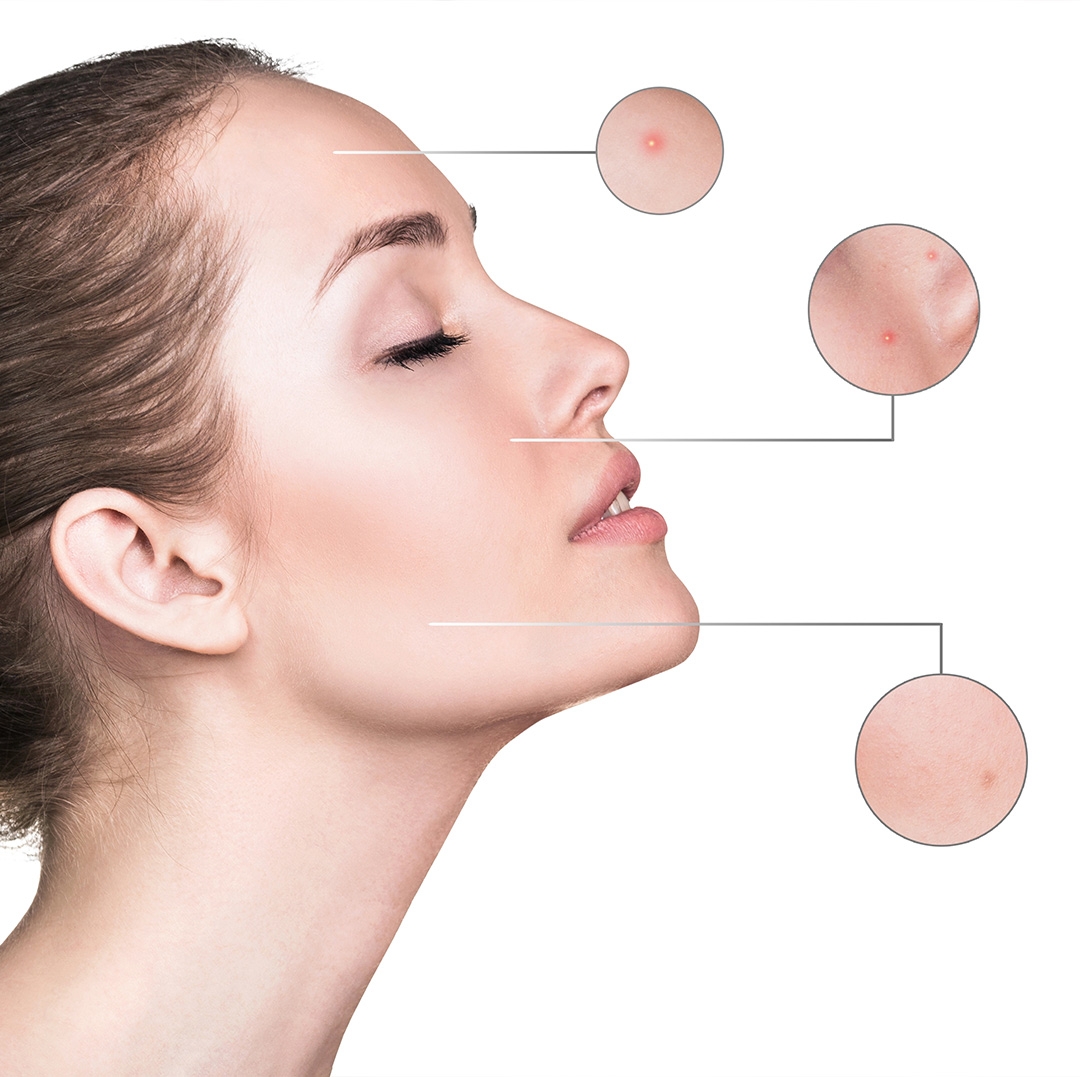
People researching microneedling often have concerns such as:
- Dull and tired-looking skin
- Fine lines
- Enlarged pores
- Surface irregularities
- Uneven skin tone
- Mild mark or spot appearance
Whether microneedling is suitable depends entirely on individual skin structure and concerns and must be evaluated by authorized healthcare professionals.
How Is Microneedling Performed? (General Information)
In accordance with regulations, the procedure is only explained at a general, non-technical level.
Microneedling is based on the principle of creating microchannels using fine needles. The general process includes:
- Evaluating the skin before the procedure
- Determining the treatment area
- Performing the application only by authorized professionals
- Possible temporary redness, heat, or sensitivity following the procedure
- A healing process that varies between individuals
- These points serve solely as informational content and do not constitute medical instructions.
Does Microneedling Rejuvenate the Skin?
Although this question is frequently asked, it must be interpreted accurately from a dermatological perspective.
- Microneedling is not a rejuvenation treatment.
- It does not stop biological aging or reverse cellular changes.
However, the following supportive effects may create the appearance of a more youthful complexion:
- Increased collagen support
- Better-organized elastin fibers
- Reduced uneven tone
- Enhanced surface vitality
- These effects are supportive, not restorative.
Microneedling and the Skin Barrier
Microneedling temporarily stimulates the skin barrier. This controlled stimulus activates the skin’s natural repair cycle.
As the skin heals:
- Lipid production may increase
- Keratinization may rebalance
- The barrier may become more compact
Because the barrier becomes temporarily sensitive, aftercare recommendations must be given by healthcare professionals.
What Can Be Felt After Microneedling?
Every individual’s skin responds differently, but common temporary sensations include:
- Mild redness
- Warmth
- Sensitivity
- Tightness
These reactions are part of the skin’s natural repair response.
Who May Not Be Suitable for Microneedling?
Dermatological evaluation is essential in cases such as:
- Active infections
- Open wounds
- Uncontrolled inflammatory skin conditions
- Tendency to form keloids
- Pregnancy or breastfeeding
Suitability should only be determined by authorized healthcare professionals.
How Soon Are Microneedling Results Noticeable?
There is no universal timeline because the response varies greatly depending on:
- Skin type
- Age
- Collagen structure
- Sun exposure history
- Daily skincare habits
- Nutrition and lifestyle
A fixed timeframe would not be scientifically accurate.
Are Microneedling Results Permanent?
Microneedling results are not permanent.
The skin continues to change due to environmental exposure, aging, and lifestyle factors.
Microneedling supports the skin’s natural processes but does not provide permanent transformation.
Frequently Asked Questions
What is microneedling?
A skincare method that stimulates renewal by creating microchannels on the skin’s surface.
Does microneedling rejuvenate the skin?
No. It does not provide true rejuvenation; it supports the skin’s natural repair cycle.
How is microneedling performed?
Only by authorized professionals. The general principle involves creating microchannels with fine needles.
What reactions are normal after the procedure?
Temporary redness, warmth, sensitivity, and tightness may occur.
Which skin concerns lead people to explore microneedling?
Dullness, uneven tone, enlarged pores, and surface irregularities are common reasons.

Editör
View All Articles