
What is post-shaving ingrown hair, and how can it be prevented? This is a common reason for dermatology visits among individuals who experience redness and painful bumps after shaving—especially in the beard, neck, legs, and bikini area. Although ingrown hairs are often perceived as a minor skin issue, when they recur they can lead to scarring, pigmentation changes, and chronic skin problems. For this reason, understanding what ingrown hairs are and how to prevent them is essential.
In this article, we will explain what post-shaving ingrown hair means, why it occurs, who is more prone to it, and how it can be prevented from a dermatologist’s perspective.
What Is Post-Shaving Ingrown Hair?
Post-shaving ingrown hair, medically known as pseudofolliculitis, occurs when a hair curls back or grows sideways into the skin instead of emerging through the surface after shaving. When the hair remains trapped under the skin, the body perceives it as a foreign object and triggers an inflammatory response.
As a result, the following may develop:
- Red, raised bumps
- Acne-like lesions
- Pain and tenderness
- Dark spots over time
Are Ingrown Hairs the Same as Acne?
No. Ingrown hairs are often confused with acne, but their mechanisms are different.
- Acne develops due to clogged sebaceous glands and bacterial overgrowth.
- Ingrown hairs occur because the hair grows in the wrong direction.
In many cases, the tip of the hair can be seen trapped beneath the skin in ingrown hairs. This distinction is important for proper management.
Why Do Ingrown Hairs Occur After Shaving?
Several factors contribute to the development of ingrown hairs:
1. Hair Type
People with curly, coarse, or thick hair are at higher risk. After shaving, the sharp hair tip can easily curve back toward the skin and penetrate it.
2. Improper Shaving Techniques
- Shaving dry skin
- Pressing the razor firmly against the skin
- Shaving against the direction of hair growth
- Repeatedly shaving the same area
These practices increase the likelihood of hairs becoming trapped under the skin.
3. Skin Dryness and Thickening
When the outer layer of the skin becomes thickened, it becomes harder for hairs to emerge. Ingrown hairs are more common in skin that is not regularly moisturized.
4. Frequent and Aggressive Shaving
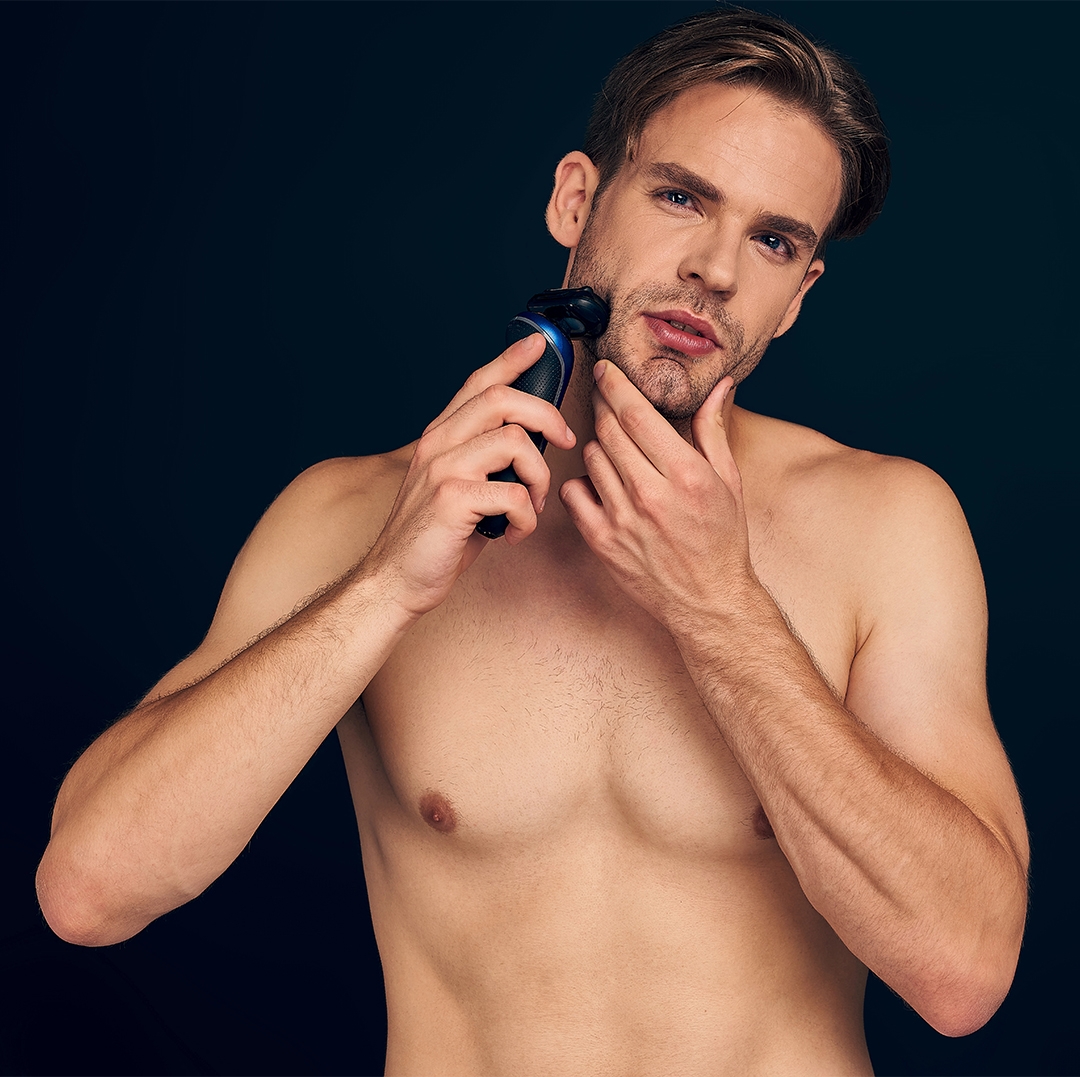
Daily shaving or the use of irritating methods weakens the skin barrier and facilitates ingrown hair formation.
Where Are Ingrown Hairs Most Common?
Post-shaving ingrown hairs most commonly appear in:
- Beard and neck area in men
- Legs, underarms, and bikini area in women
- Nape of the neck and groin
These areas are at higher risk due to dense hair growth and increased friction.
Are Ingrown Hairs Dangerous?
Most ingrown hairs are benign, but repeated or improperly handled lesions may lead to complications such as:
- Secondary infection
- Persistent dark spots (post-inflammatory hyperpigmentation)
- Scarring
- Folliculitis (inflammation of the hair follicle)
For this reason, squeezing or picking ingrown hairs is not recommended.
How Can Post-Shaving Ingrown Hairs Be Prevented?
The main goal in prevention is to allow hairs to emerge freely from the skin surface.
1. Pre-Shaving Preparation
- Soften the skin with lukewarm water before shaving.
- Ensure adequate hydration of both skin and hair.
- This helps hairs be cut more cleanly.
2. Proper Shaving Technique
- Shave in the direction of hair growth.
- Avoid pressing the razor into the skin.
- Limit shaving to a single pass per area.
- Use clean, sharp blades.
3. Adjust Shaving Frequency
If the skin shows signs of irritation, shaving intervals should be extended. Daily shaving may not be suitable for everyone.
4. Post-Shaving Care
- Choose alcohol-free, soothing products after shaving.
- Moisturize the skin regularly.
- Avoid heavy, pore-clogging products.
5. Gentle Exfoliation
Light exfoliation once or twice a week helps remove dead skin cells and allows hairs to emerge more easily. Over-exfoliation, however, can increase irritation.
Is It Safe to Remove Ingrown Hairs at Home?
No. Attempting to remove ingrown hairs with needles, tweezers, or aggressive manipulation at home increases the risk of:
- Infection
- Scarring and pigmentation
- Such interventions should be avoided.
When Should You See a Dermatologist?
Dermatological evaluation is recommended if:
- Ingrown hairs recur frequently
- Lesions become painful or inflamed
- Dark spots or scars begin to form
- Home care measures are ineffective
A dermatologist can create a personalized plan based on hair and skin type.
Frequently Asked Questions
1. Do ingrown hairs go away on their own?
Mild cases may resolve spontaneously, but recurrent ingrown hairs can lead to long-term issues.
2. Why do ingrown hairs cause dark spots?
Inflammation and improper handling can trigger pigmentation changes.
3. Do razors or electric shavers cause more ingrown hairs?
Razors that cut hair very close to the skin may increase risk.
4. Is exfoliation necessary to prevent ingrown hairs?
Gentle, controlled exfoliation can help, but overuse should be avoided.
5. Is it safe to squeeze ingrown hairs?
No. This increases the risk of infection and scarring.
6. When should I consult a specialist?
If ingrown hairs are painful, inflamed, or leaving marks, a dermatologist should be consulted.

Editör
View All Articles