
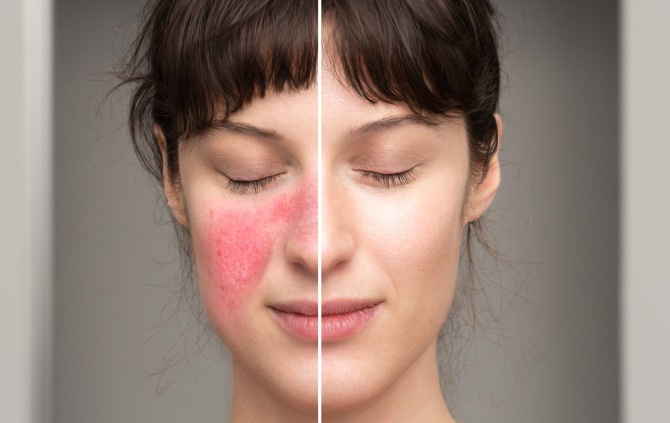
Do you have occasional redness, a burning sensation, the appearance of tiny veins or acne-like bumps on your face? These symptoms may seem like simple skin sensitivity to you; however, the underlying cause may be rosacea, commonly known as rose disease.
Rosacea is a chronic and occasionally flare-up skin disease that affects the middle part of the face. It usually starts after the age of 30 and is more common in women. However, when it is seen in men, the symptoms are usually more severe. Although rosacea does not go away completely, it can be controlled quite successfully with the right care and treatment.
What is Rosacea?
Rosacea is an inflammatory skin disease that manifests itself with chronic redness, capillary dilation, acne-like swellings and sometimes tenderness in the eyes, usually in the nose, cheeks, chin and forehead area of the face. Rosacea is not contagious and has nothing to do with poor hygiene. Sensitization of the skin, dilation of the blood vessels and immune system reactions play an important role in the development of this disease.
The exact cause of rosacea is unknown, but genetic predisposition, immune system activation, environmental factors, and certain microorganisms (such as skin mites called Demodex) are thought to contribute to the condition.
What are the symptoms of rosacea?
Rosacea is a disease that progresses over time and has different symptoms in different stages. It starts with temporary redness on the skin. These redness can become permanent over time.
The most common symptoms include persistent facial redness, visible blood vessels (telangiectasis), a burning or stinging sensation, pimple-like inflamed bumps, and sometimes dry or red eyes. As rosacea progresses, skin thickening and deformities can also develop in the nose area. This condition is usually seen in men and is called "rhinophyma."
Factors That Trigger Rosacea
Some external factors can worsen symptoms in people with rosacea. Exposure to sunlight, hot drinks, spicy foods, stress, alcohol consumption, sudden temperature changes and some skin care products can trigger rosacea. Therefore, being aware of the triggering factors plays a big role in controlling the disease.
How to Control Rosacea?
Rosacea treatment is planned according to the person's symptoms, severity of the disease and skin type. The aim of rosacea treatment is to control the symptoms and prevent flare-ups rather than to cure it completely.
Topical (applied to the skin) treatments are usually preferred as the first step. Creams containing substances such as metronidazole, azelaic acid, and ivermectin can reduce inflammation and redness of the skin. In moderate and severe cases, systemic antibiotics or special skin medications may be prescribed by the dermatologist.
Laser treatments can be very effective in reducing the appearance of capillaries. Laser systems developed specifically for vascular lesions significantly reduce redness and vascular dilation.
Skin care is a key point in the management of rosacea. Products that do not irritate the skin, are fragrance-free and alcohol-free should be preferred. Sunscreen use is also very important. Broad-spectrum, mineral-filtered and sensitive skin-friendly sunscreens should be used regularly every day.
Rosacea is a chronic but manageable skin condition. It can be controlled with early diagnosis, regular dermatological follow-up and appropriate skin care. If you have persistent redness, burning or acne-like bumps on your skin, do not consider it just a simple skin reaction. There may be an underlying rosacea condition.
The first step in taking good care of your skin is to know it. If the symptoms bother you, you can reach a dermatologist and have much more comfortable skin with the right diagnosis and personalized treatment plan.

Editör
View All Articles