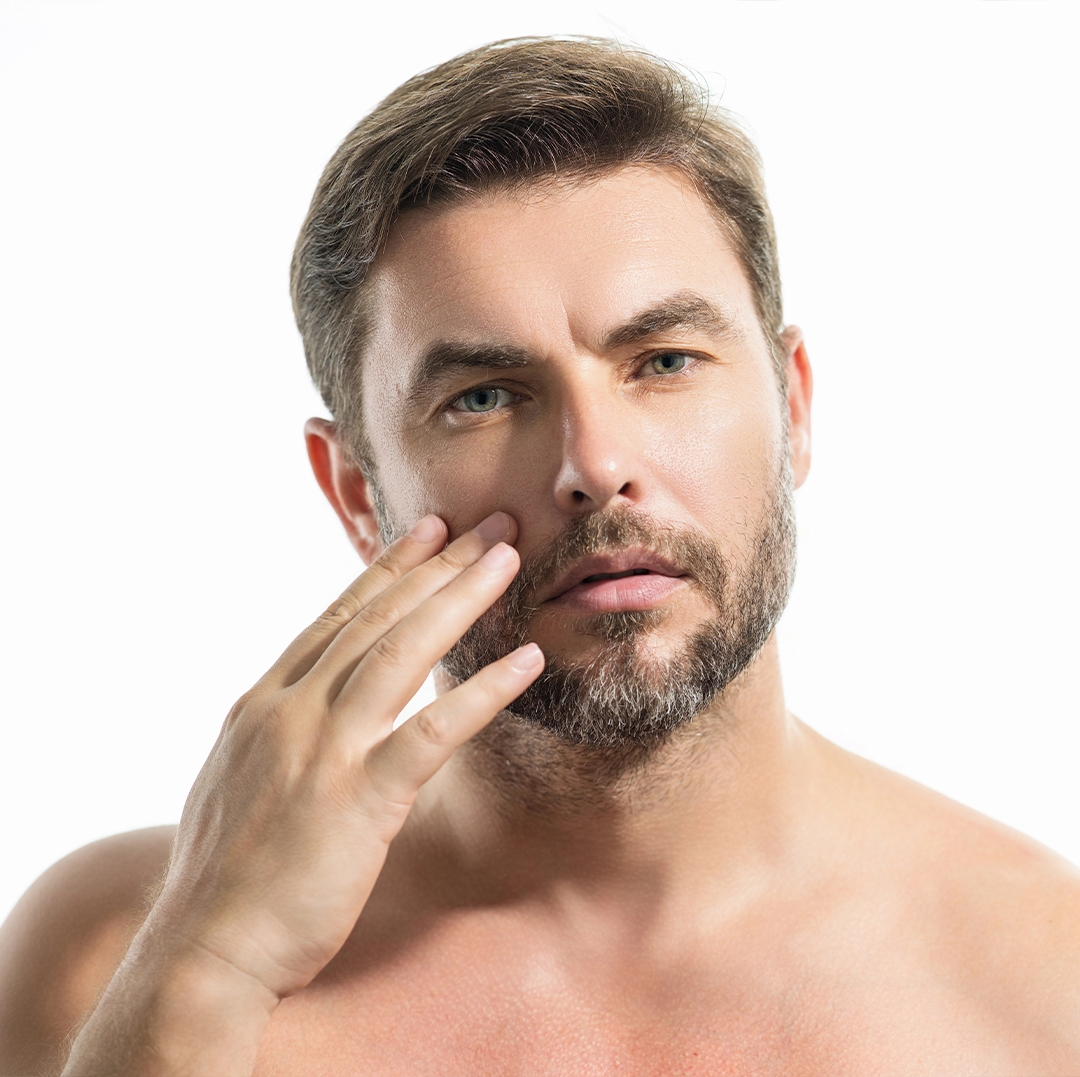
Why do pimples occur in the beard area? This is one of the most common reasons male patients seek dermatological care. Compared to other areas of the face, pimples that develop in the beard region tend to be more painful and recurrent. This is largely due to the unique anatomical characteristics of the beard area, including dense hair follicles, active sebaceous glands, shaving habits, and a higher bacterial load.
In this article, We will explain the causes of pimples in the beard area, how to distinguish them from other conditions, and the appropriate dermatological approach—from a specialist’s perspective.
Why Is the Skin in the Beard Area More Sensitive?
The beard area in men contains a high density of hair follicles and hormonally active sebaceous glands influenced by testosterone. This leads to:
- Increased sebum (oil) production
- Easier blockage of hair follicles
- A favorable environment for bacterial growth
- As a result, the beard area is more prone to inflammatory skin conditions such as acne-like lesions.
The Most Common Causes of Pimples in the Beard Area
1. Hair Follicle Blockage and Acne Mechanism
A significant portion of beard-area pimples develops through the classic acne vulgaris mechanism. Sebum produced by the sebaceous glands combines with dead skin cells, blocking the hair follicle. This blockage allows bacteria to multiply, leading to inflamed pimples.
The chin line and upper neck are particularly prone to this type of acne.
2. Shaving Habits
Improper shaving techniques can significantly increase the risk of pimples in the beard area.
- Shaving dry skin
- Using the same razor blade for too long
- Pressing the razor firmly against the skin
- Applying irritating products after shaving
These practices cause micro-trauma to the hair follicles, making it easier for bacteria to penetrate the skin and trigger acne-like lesions.
3. Ingrown Hairs (Pseudofolliculitis Barbae)
Not every pimple in the beard area is classic acne. In individuals with curly or coarse facial hair, hairs may grow back into the skin, leading to ingrown hairs.
Ingrown hairs typically appear as:
- Red, painful bumps
- Occasionally inflamed lesions
- Pimples that closely resemble acne
- This condition most commonly affects the neck area.
4. Folliculitis (Inflammation of Hair Follicles)
Another important cause of acne-like lesions in the beard area is folliculitis. Folliculitis occurs when hair follicles become infected, most commonly by bacteria such as Staphylococcus species.
It may present with:
- Clusters of small, pimple-like bumps
- Tenderness or pain
- Sometimes itching
- Folliculitis often worsens after shaving.
5. Skin Hygiene and Product Use
Beard care products, oily creams, heavy balms, and comedogenic ingredients can clog hair follicles and increase pimple formation. In addition:
- Inadequate cleansing of the beard
- Prolonged presence of sweat and dirt on the skin
- promote bacterial overgrowth.
6. Hormonal Factors and Stress
The beard area is particularly sensitive to hormonal changes. Fluctuations in testosterone levels can increase oil production and trigger breakouts. Chronic stress may also disrupt hormonal balance and indirectly contribute to pimple formation.
When Should Pimples in the Beard Area Be Taken Seriously?
Beard-area pimples should be evaluated by a dermatologist if they:
- Recur in the same area
- Are deep, painful, or leave scars
- Worsen after shaving
- Form firm nodules along the jawline or neck
- Do not improve with over-the-counter products
In such cases, improper self-treatment may worsen the condition.
How Can Pimples in the Beard Area Be Reduced?
From a dermatological standpoint, the primary goal is to maintain skin balance while minimizing irritation to hair follicles:
- Softening the skin before shaving
- Using clean, sharp razor blades
- Shaving in the direction of hair growth
- Choosing alcohol-free post-shave products
- Using cleansers formulated for facial and beard skin
These measures are supportive but do not replace medical treatment when needed.
How Is Treatment Determined?
Determining whether the lesion is:
- Acne
- Folliculitis
- An ingrown hair
is critical for effective treatment. This distinction is made through dermatological examination. Applying the same product to every lesion is not appropriate and may increase the risk of scarring.
Frequently Asked Questions
Why are pimples in the beard area more painful?
Deeper hair follicles and stronger inflammatory responses make lesions in this area more sensitive.
Does shaving increase pimples?
Yes. Improper shaving techniques can significantly worsen acne and folliculitis.
How can ingrown hairs be distinguished from acne?
Ingrown hairs often show a trapped hair beneath the skin and appear after shaving.
Does growing a beard reduce pimples?
In some individuals, reduced irritation helps; however, poor hygiene can worsen breakouts.
Can beard care products cause pimples?
Yes. Oily or comedogenic products can clog follicles and trigger breakouts.
When should I see a dermatologist?
If pimples are painful, recurrent, or leave scars, a dermatological evaluation is recommended.

Editör
View All Articles